Logbook · 2014, Present

— dives.
One long descent.

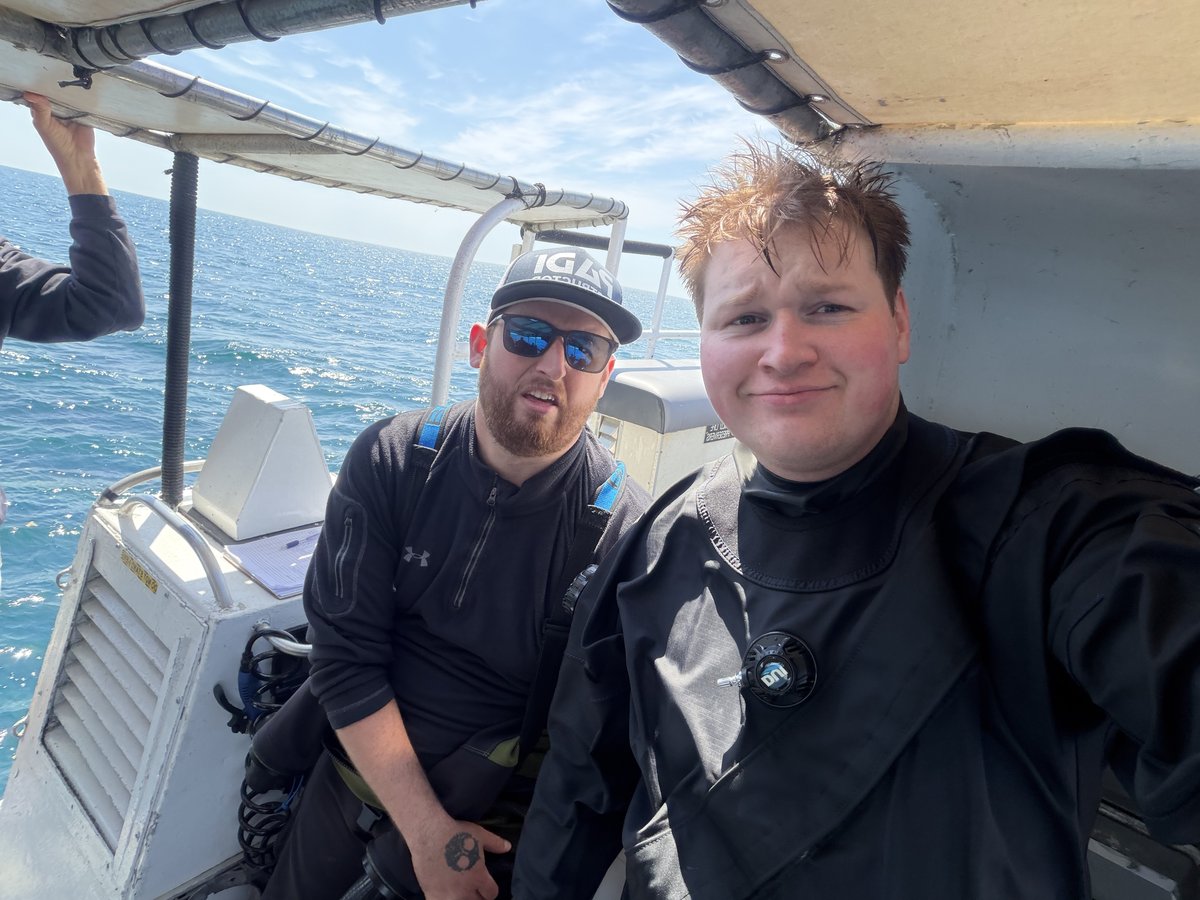
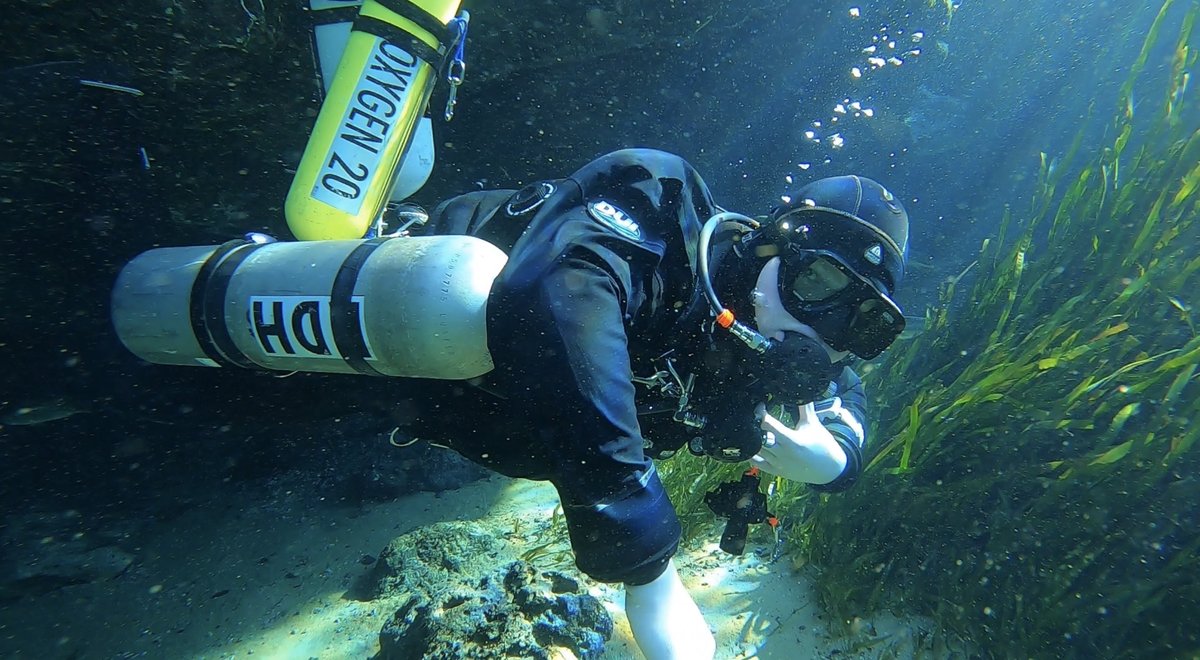
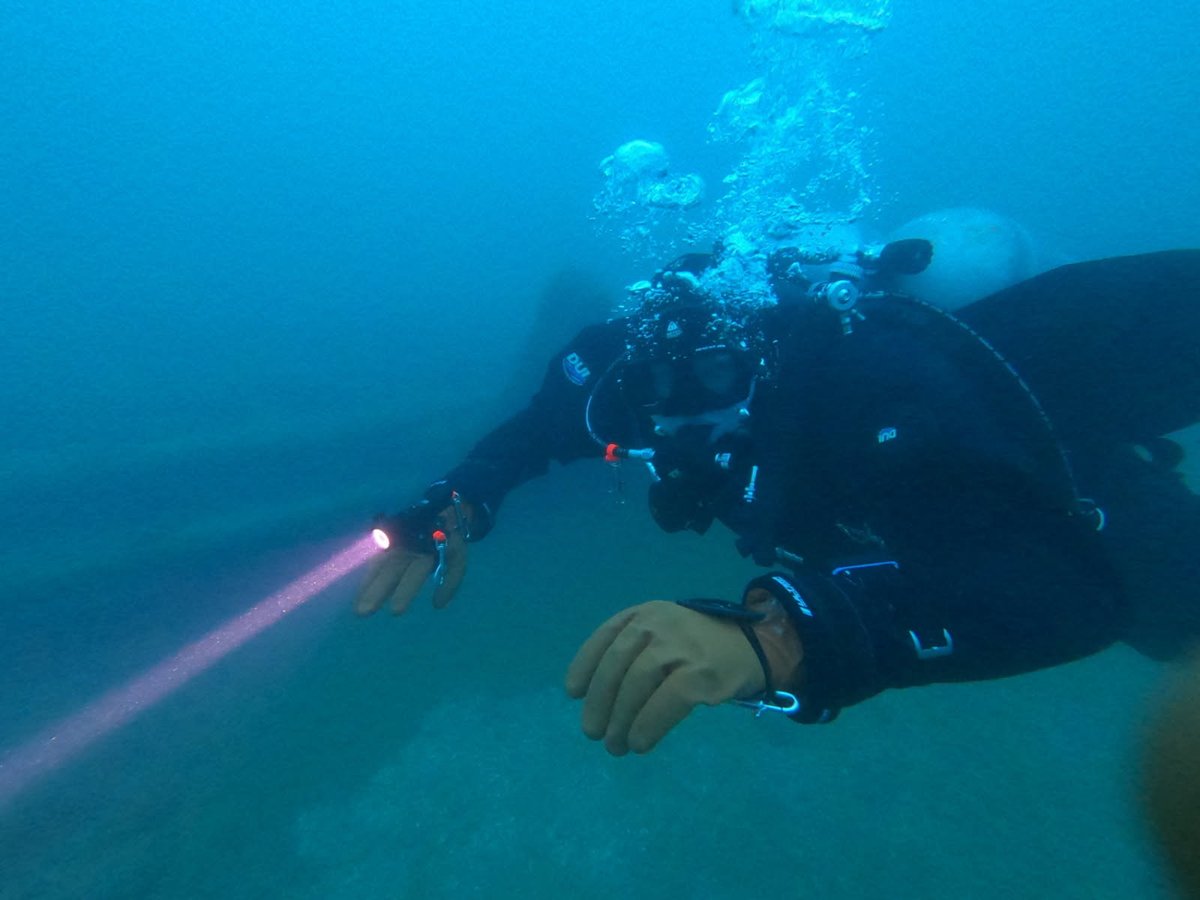
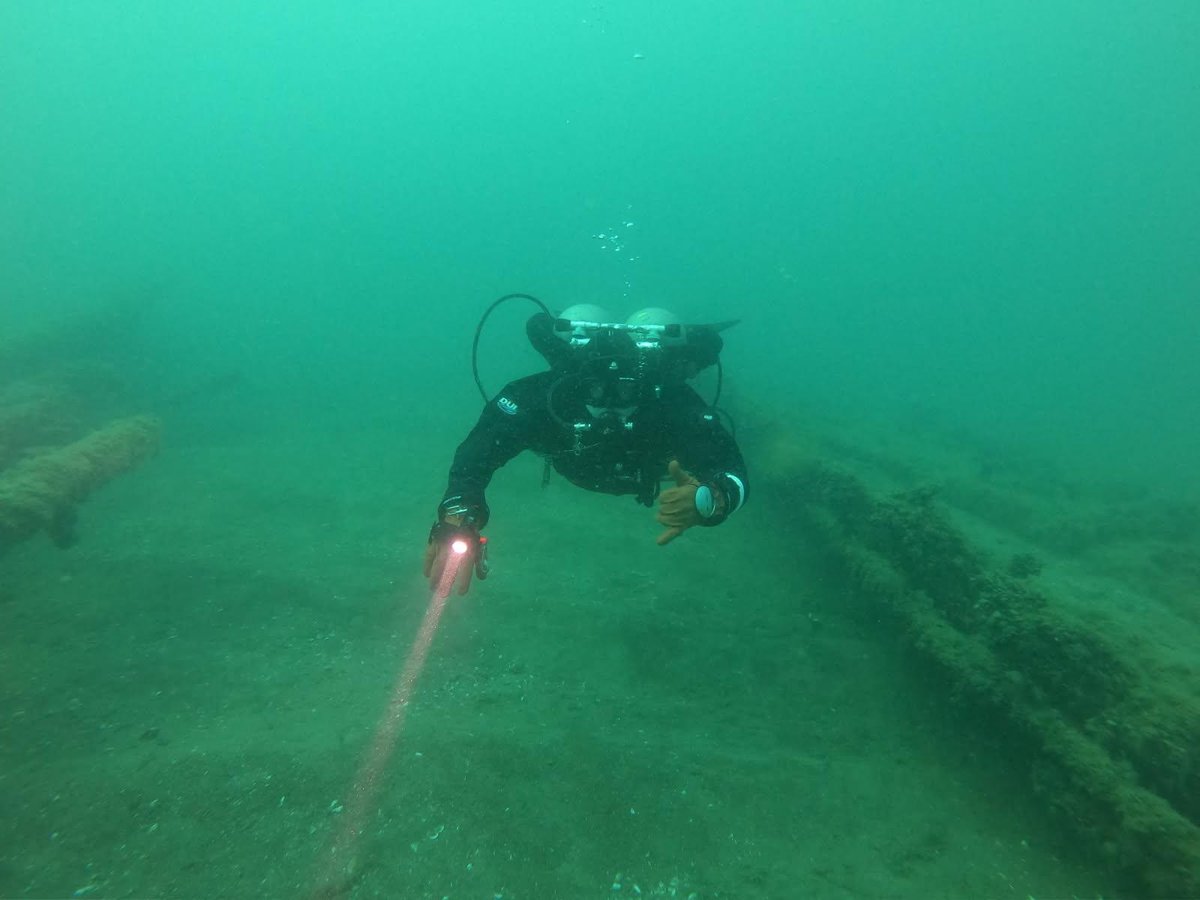
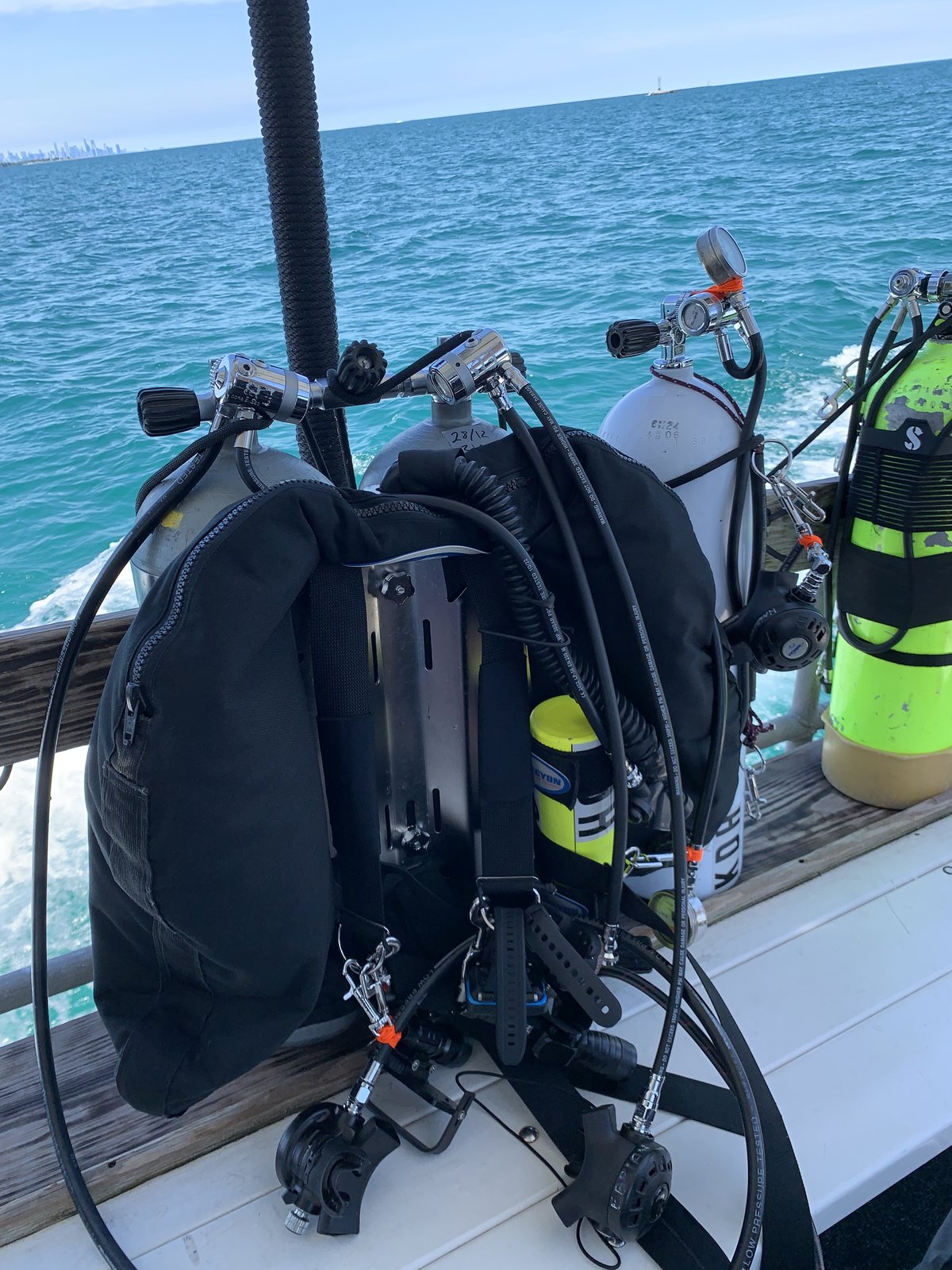
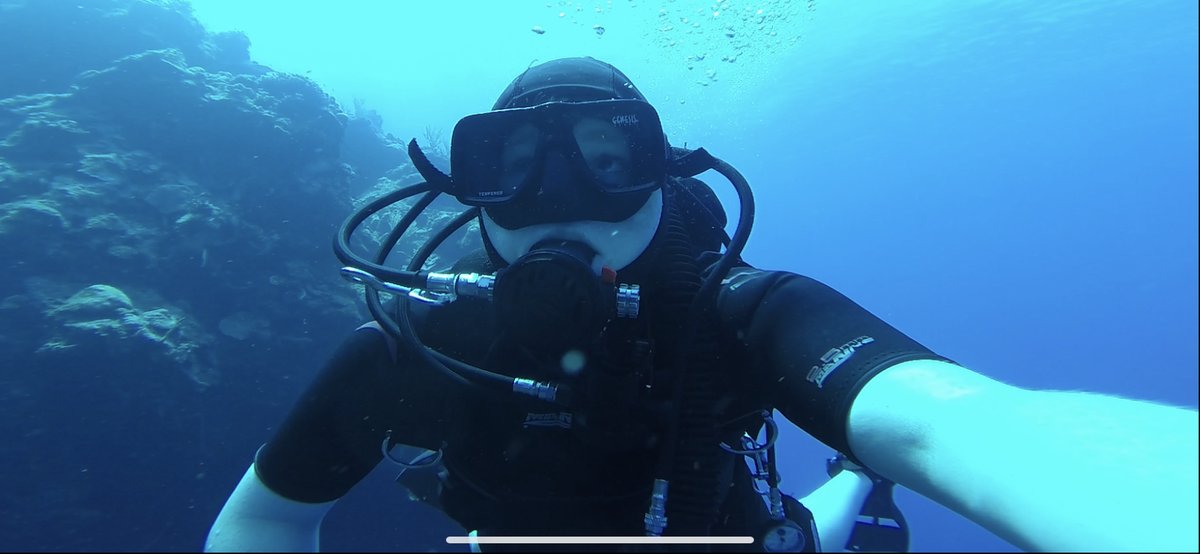
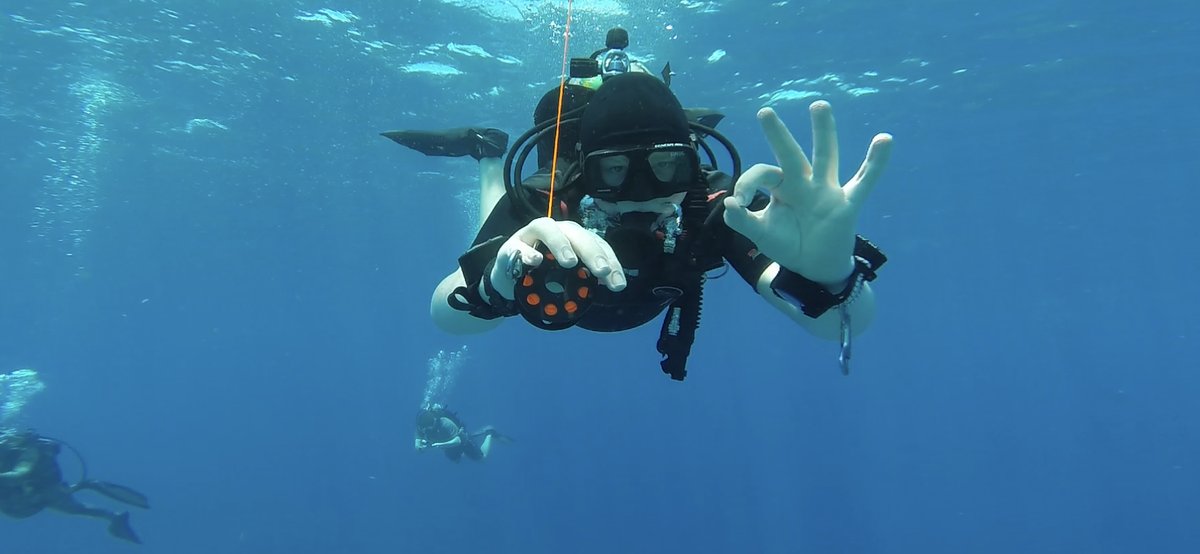
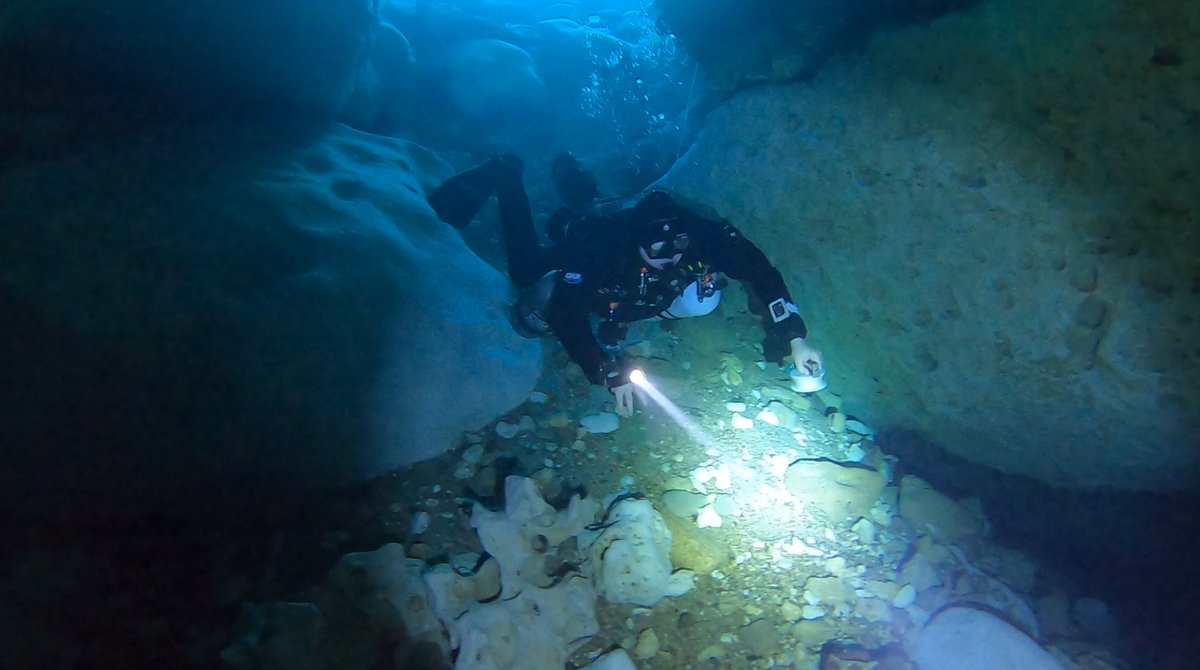
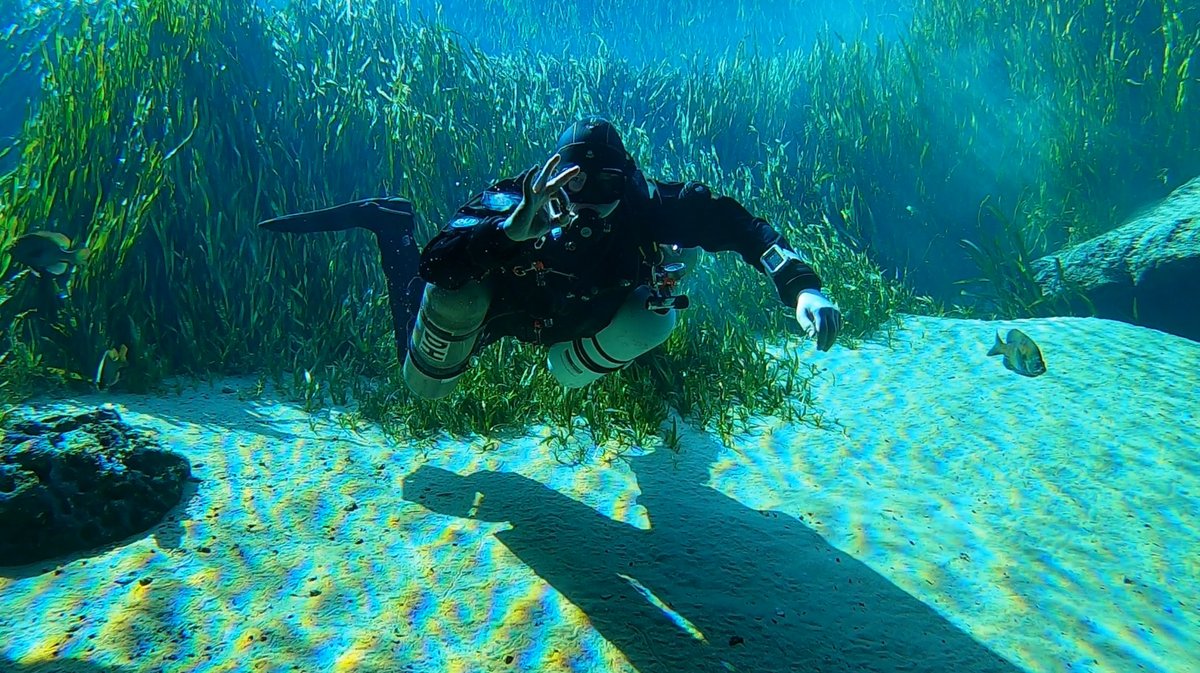
Kian has been diving since 2014 and has spent the years since pushing into more technical territory, earning his deep certification in 2019, cave in 2022, and decompression procedures in 2023. That progression tracks closely with his engineering interests, technical diving rewards the same careful risk assessment, redundancy planning, and equipment discipline that shows up in his design work.

—
Total Dives
—
Bottom Time
—ft
Max Depth
—
Dive Sites
Expedition · 16 August 2026

Two unidentified barges, one day, both surveyed.

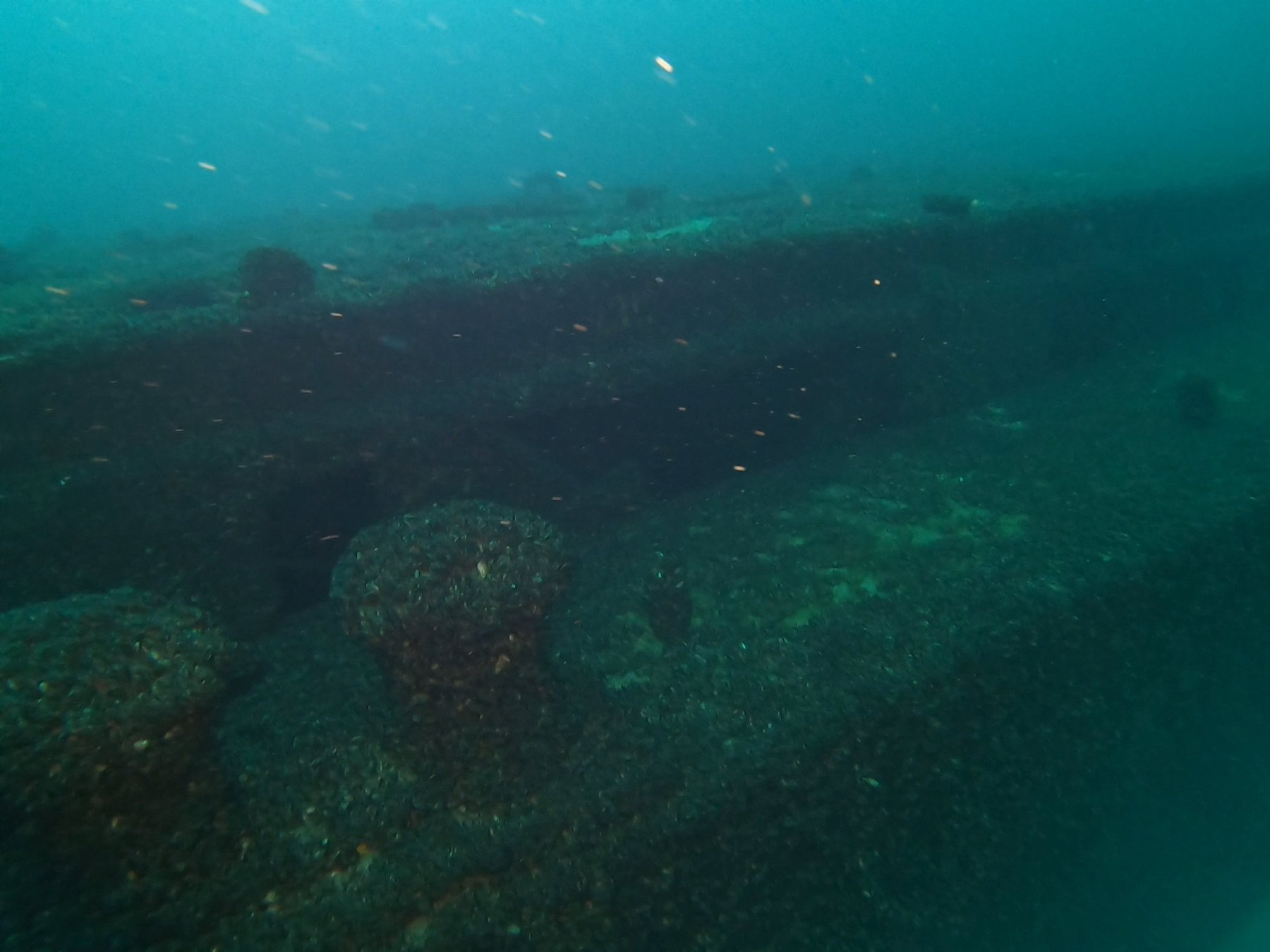
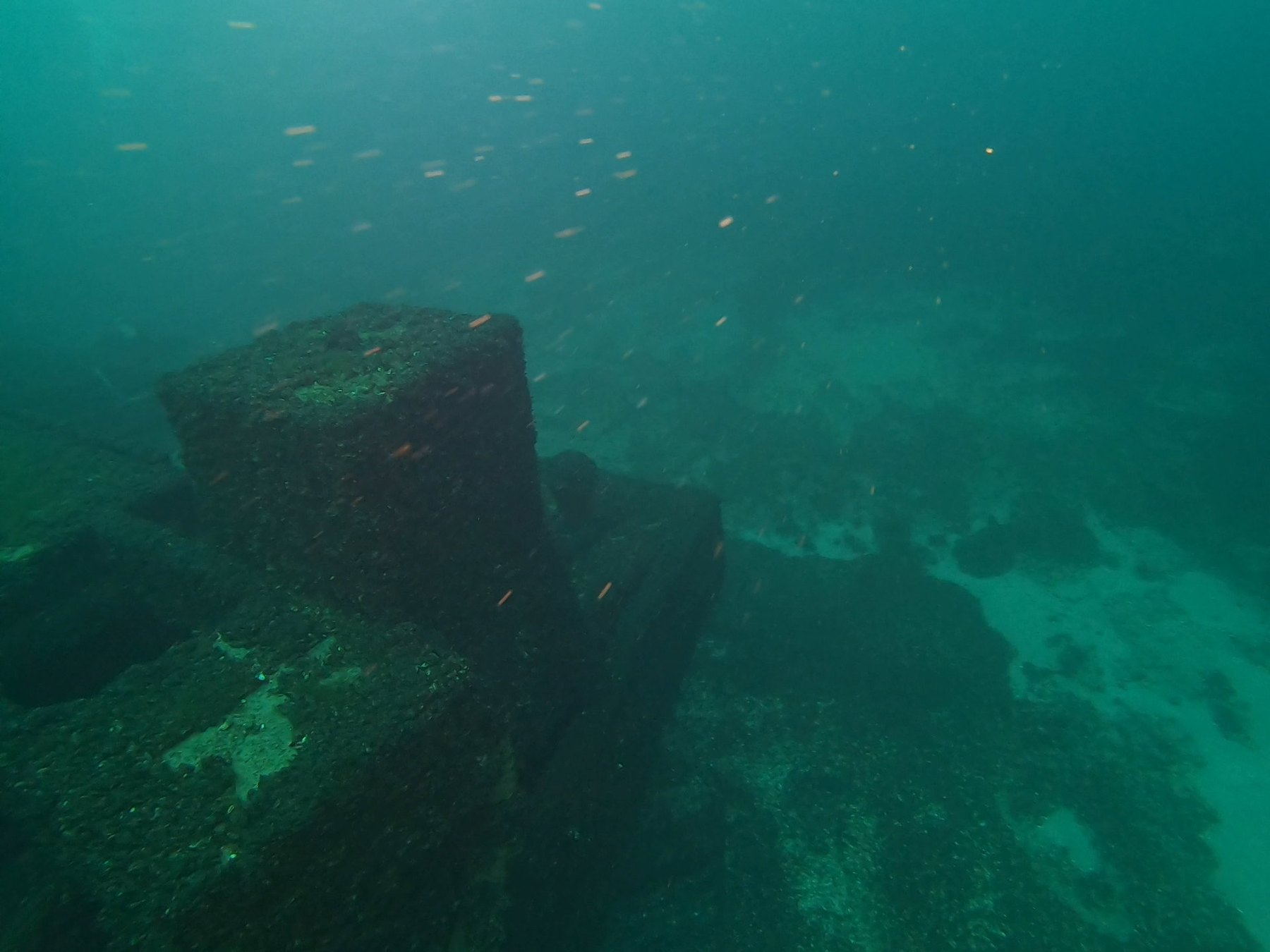
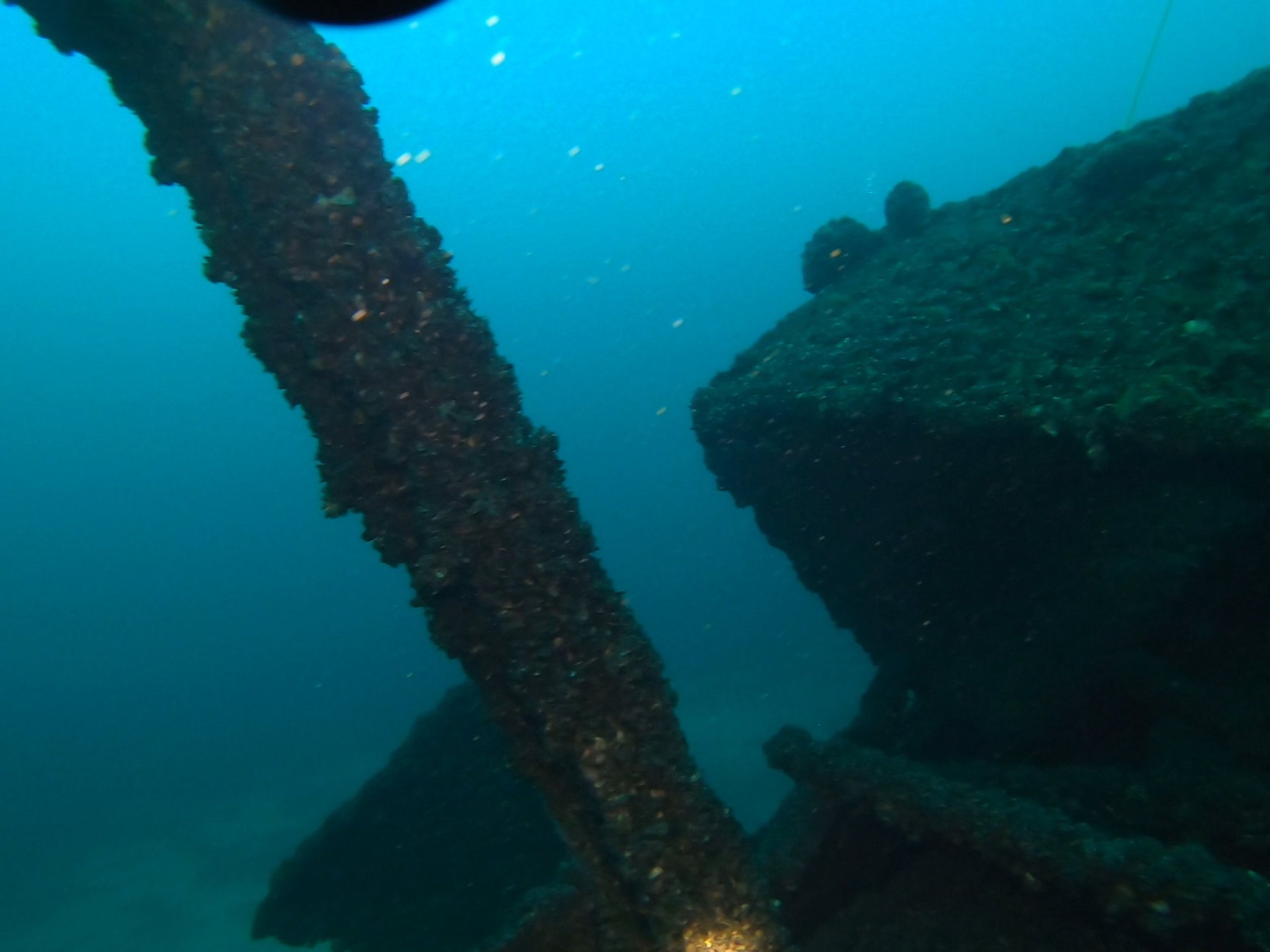
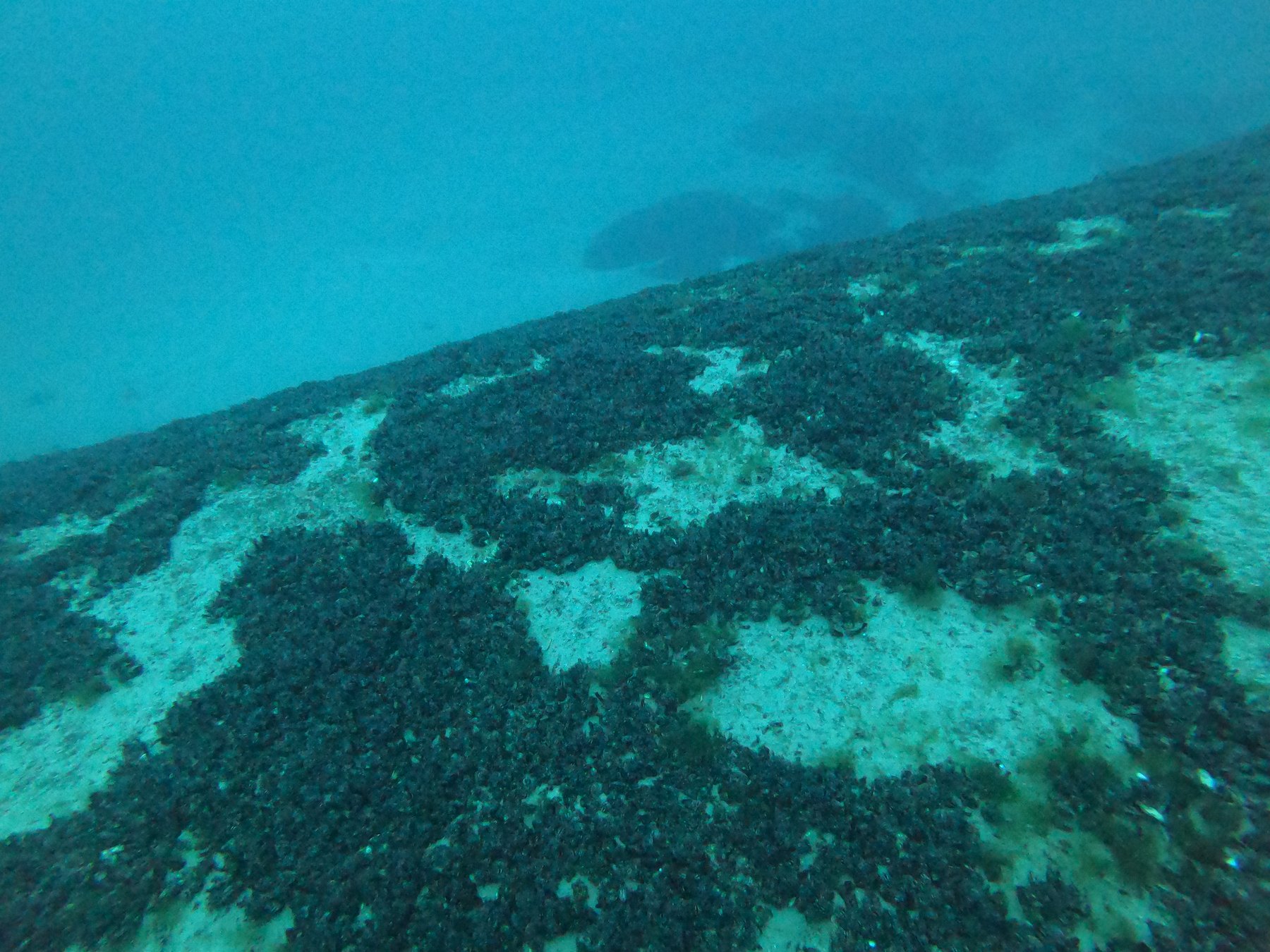
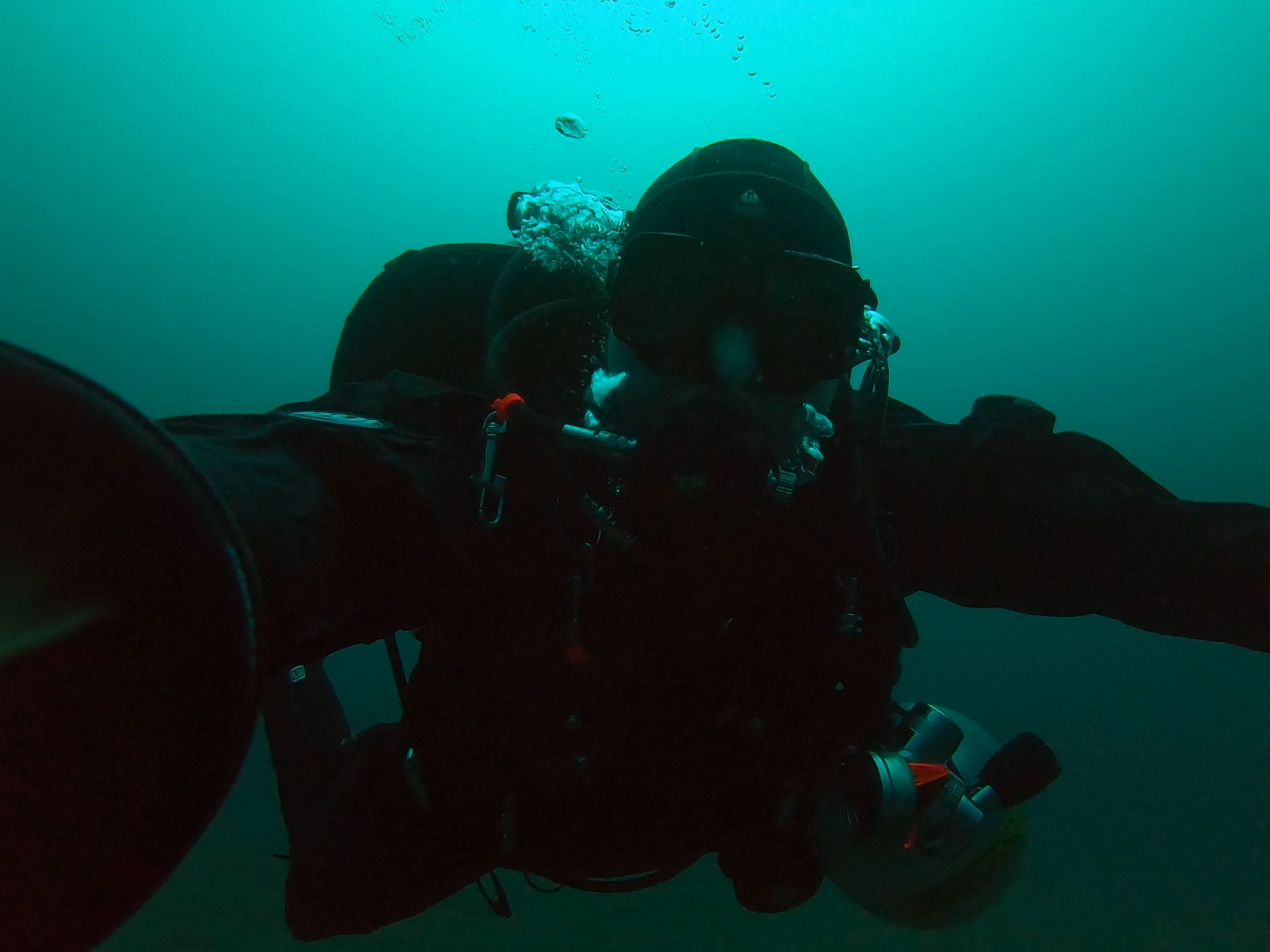
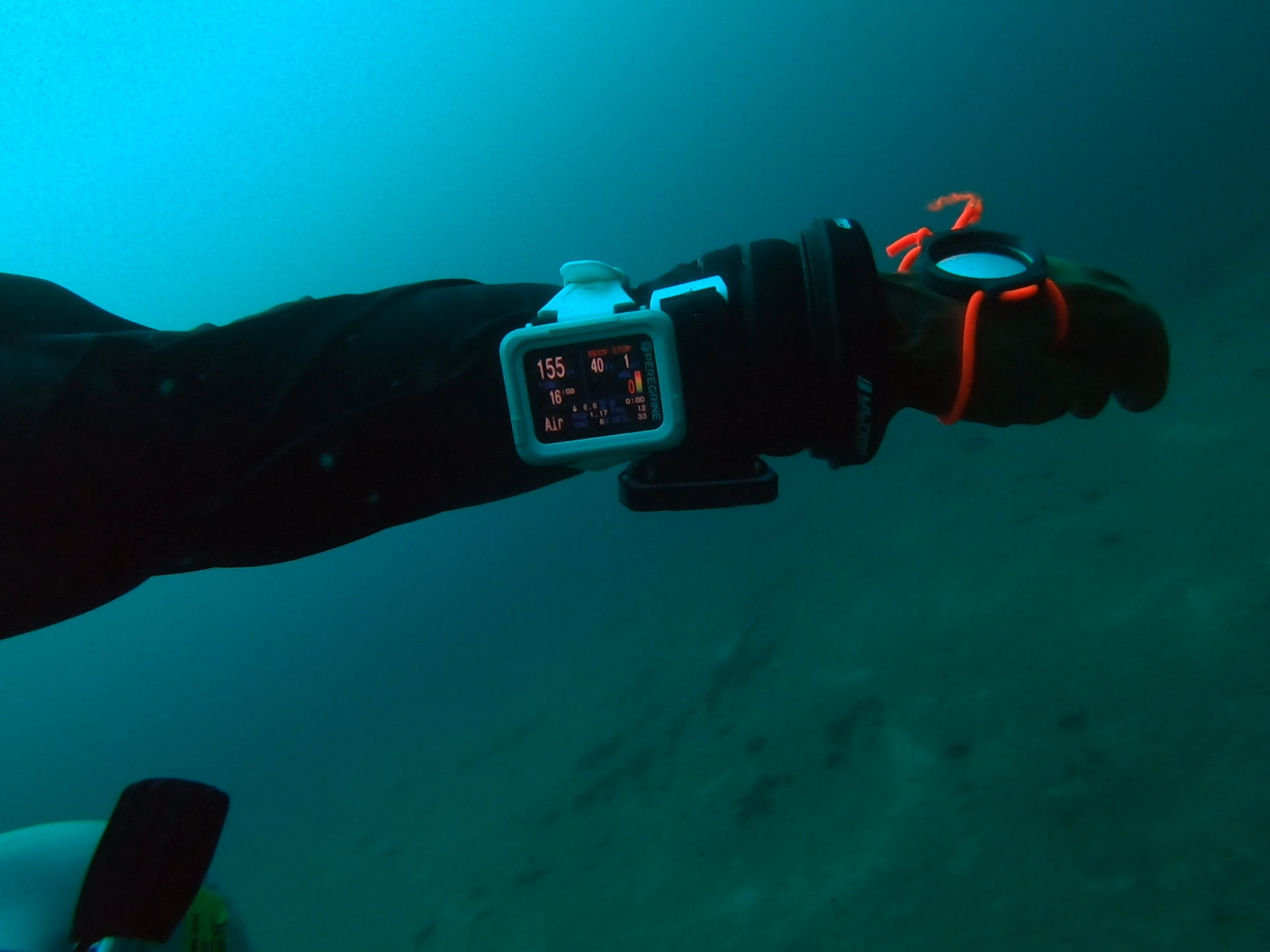
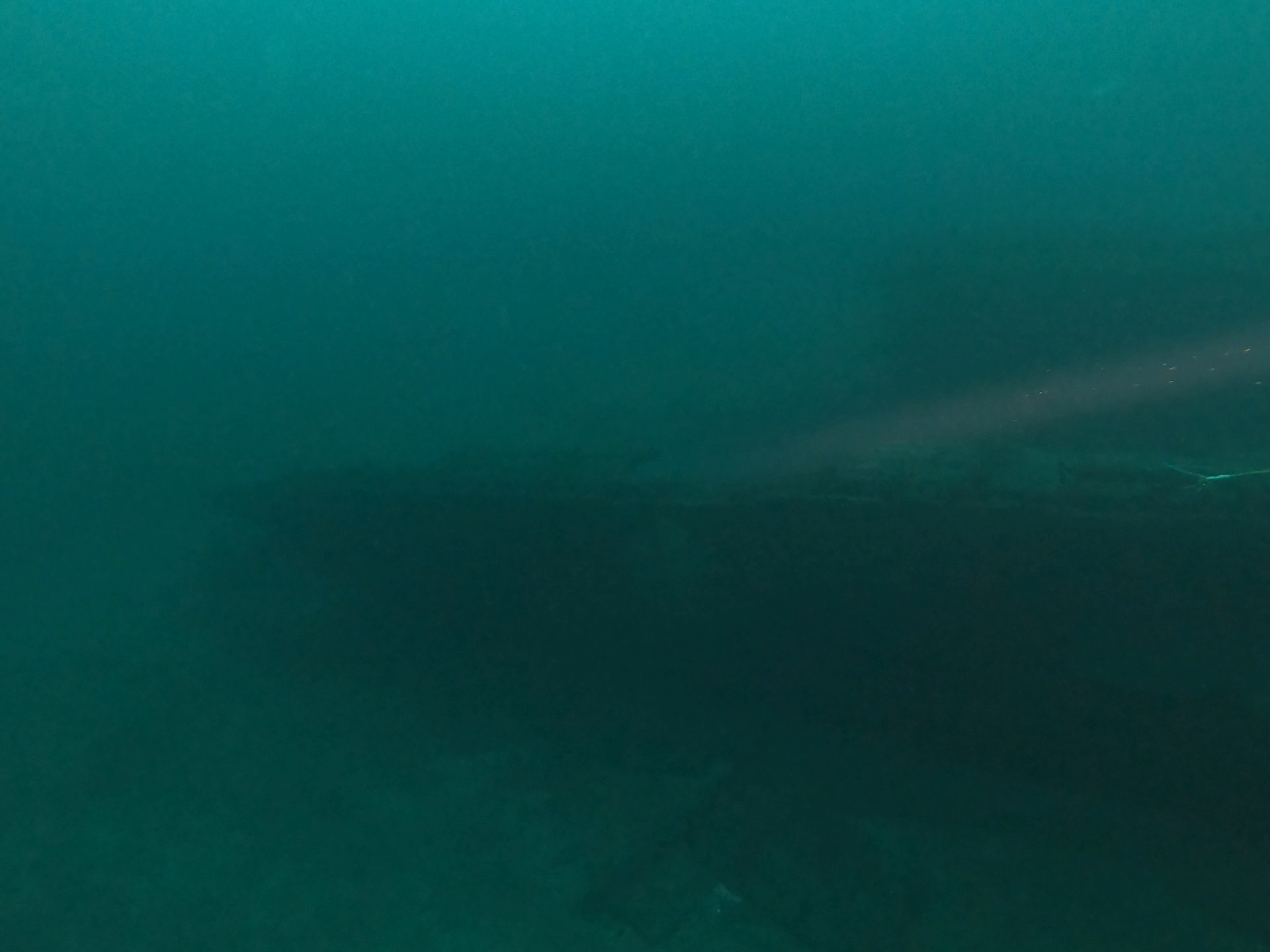
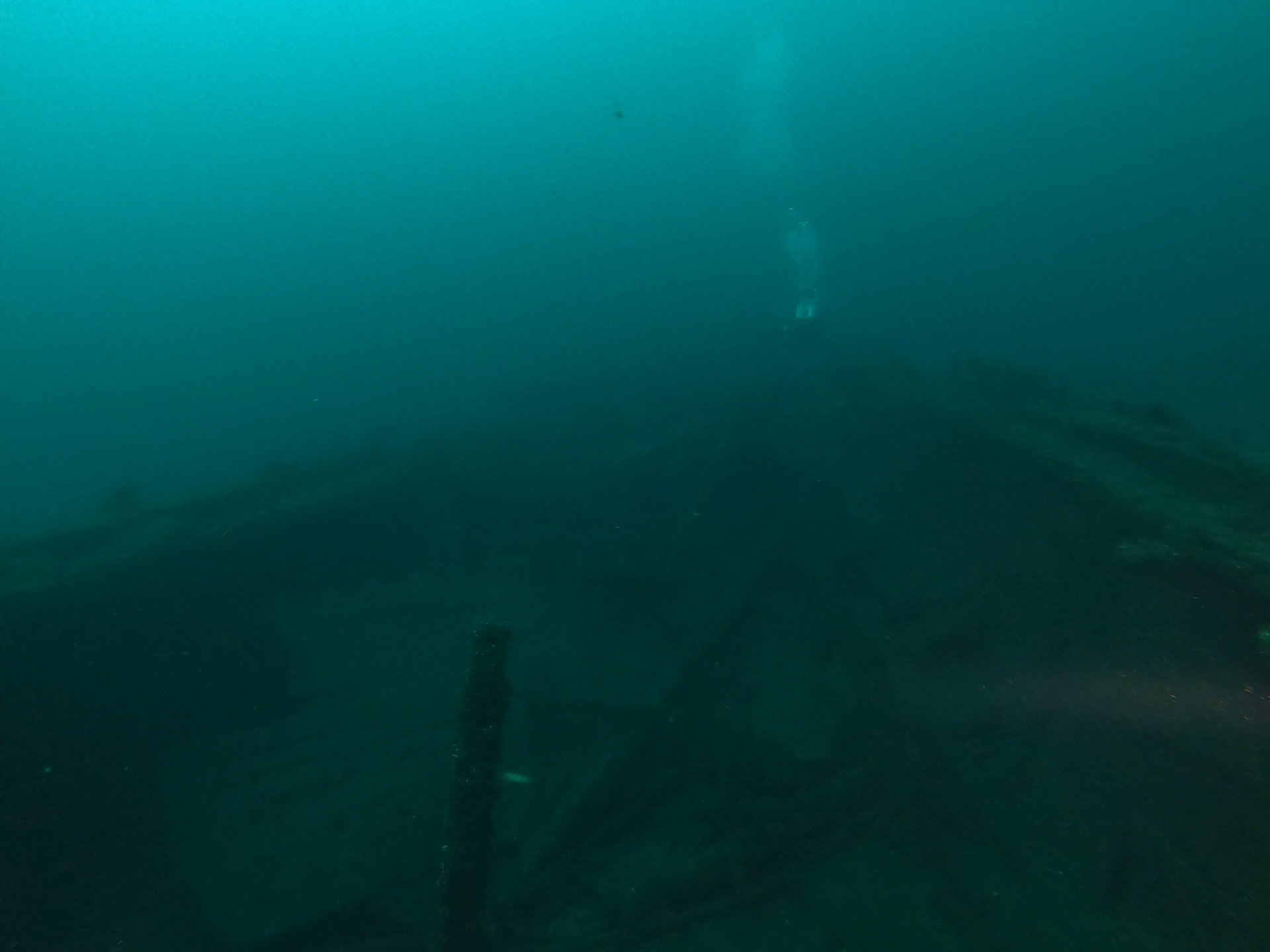
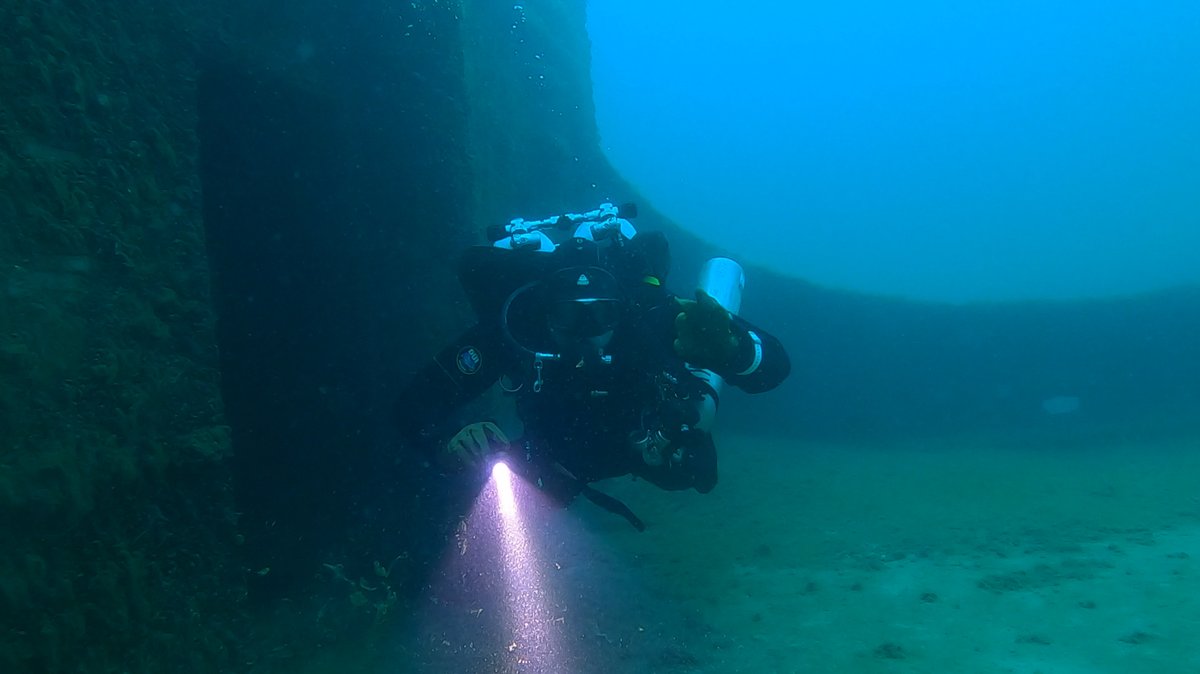
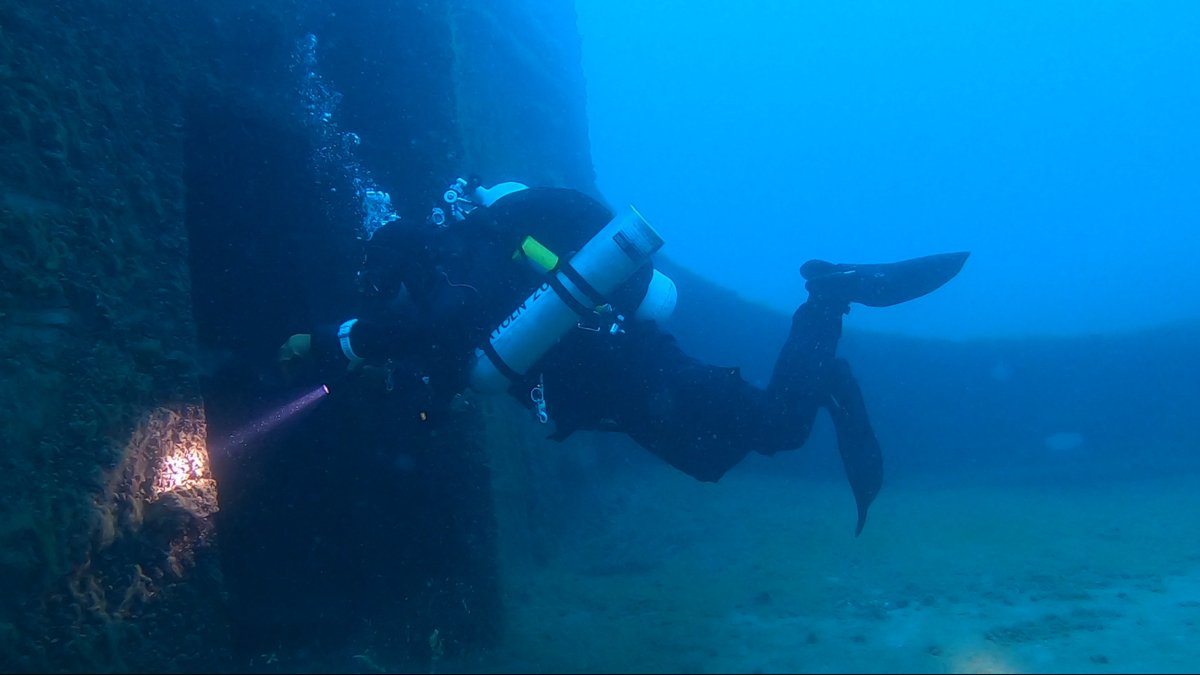
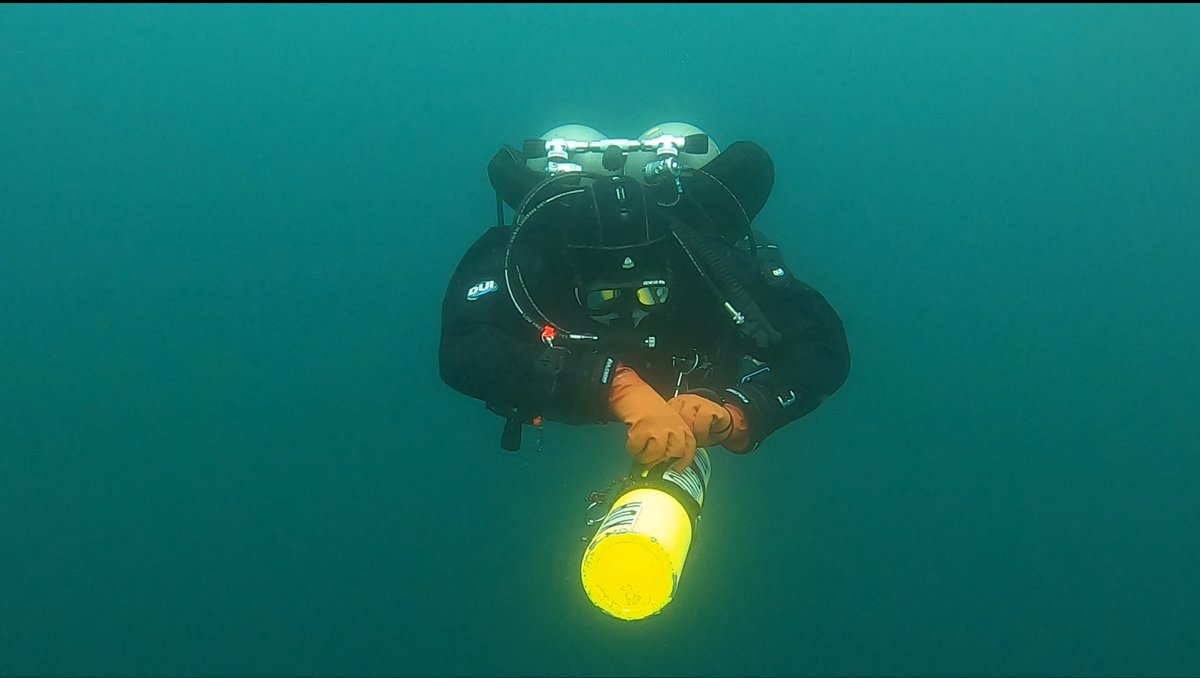
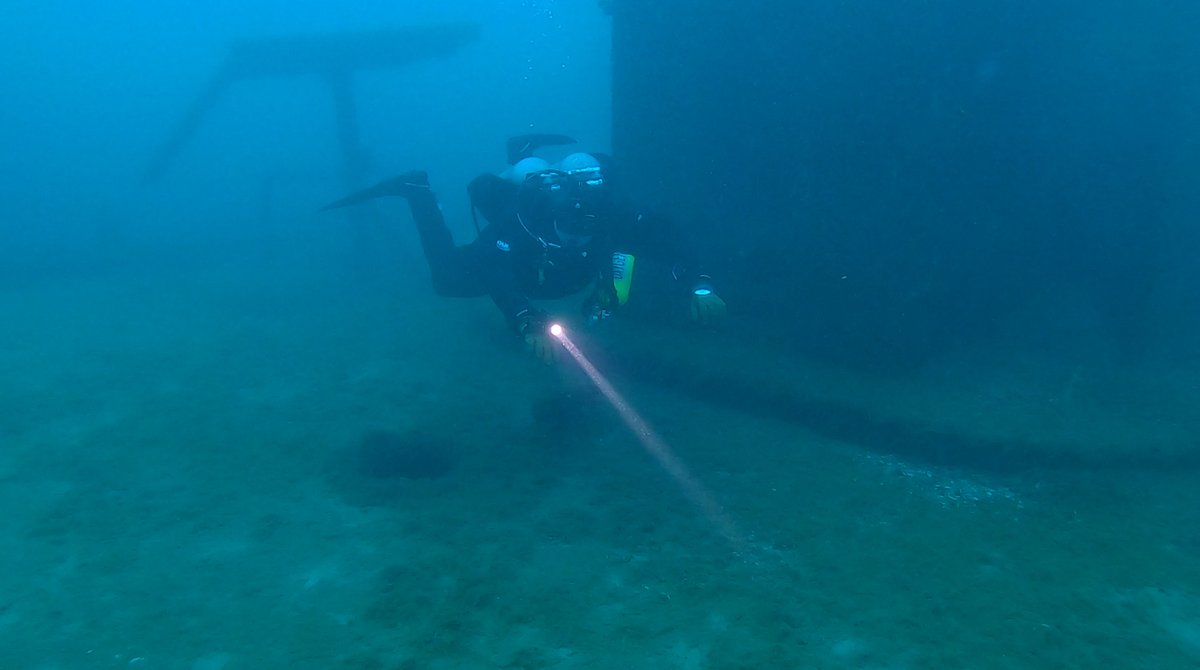
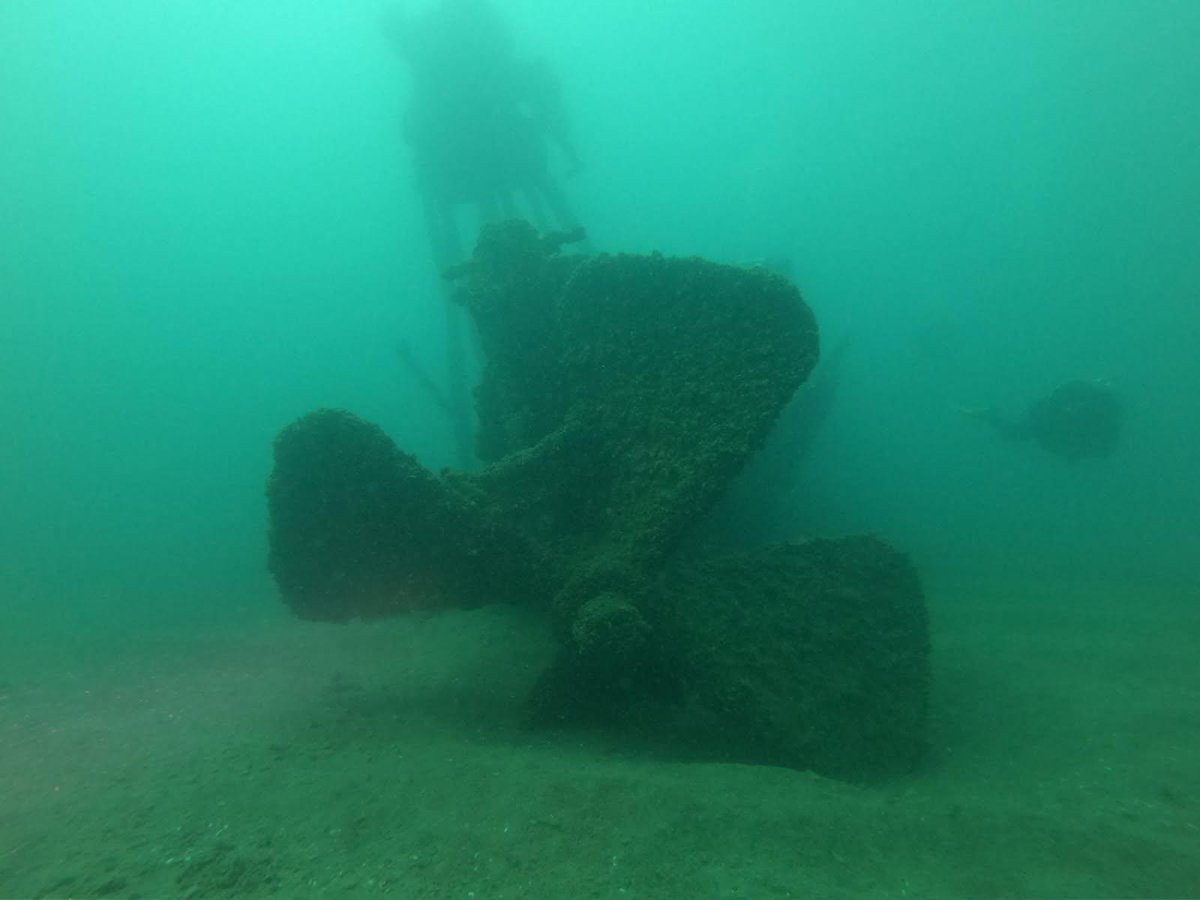
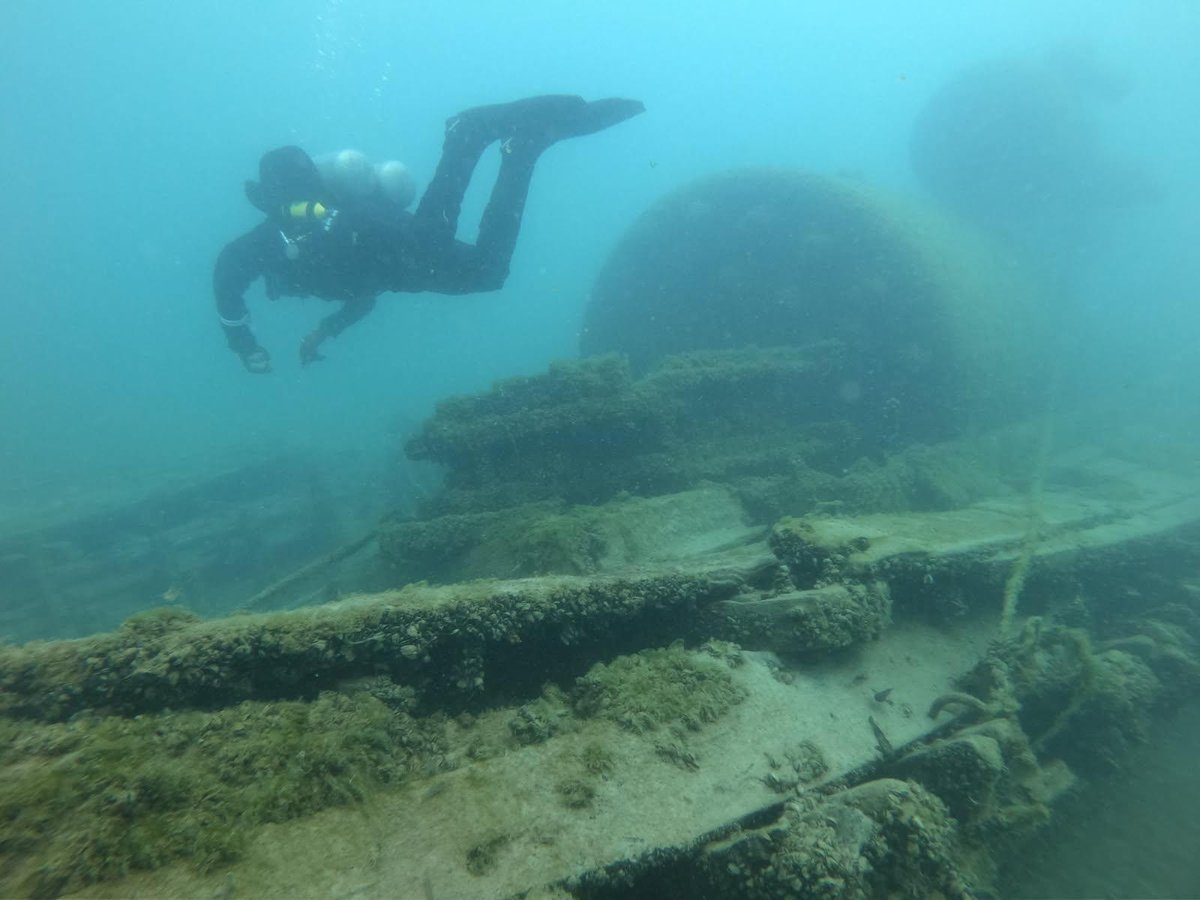
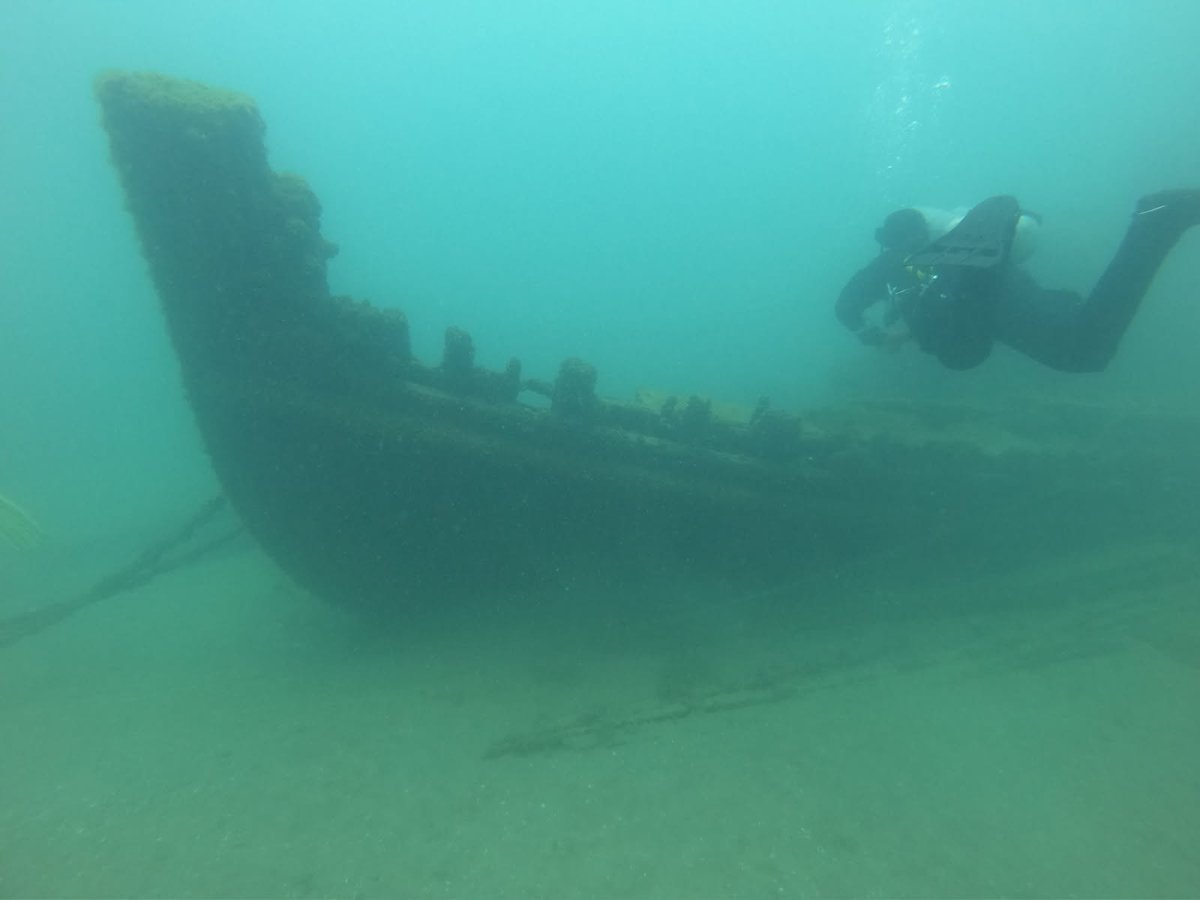
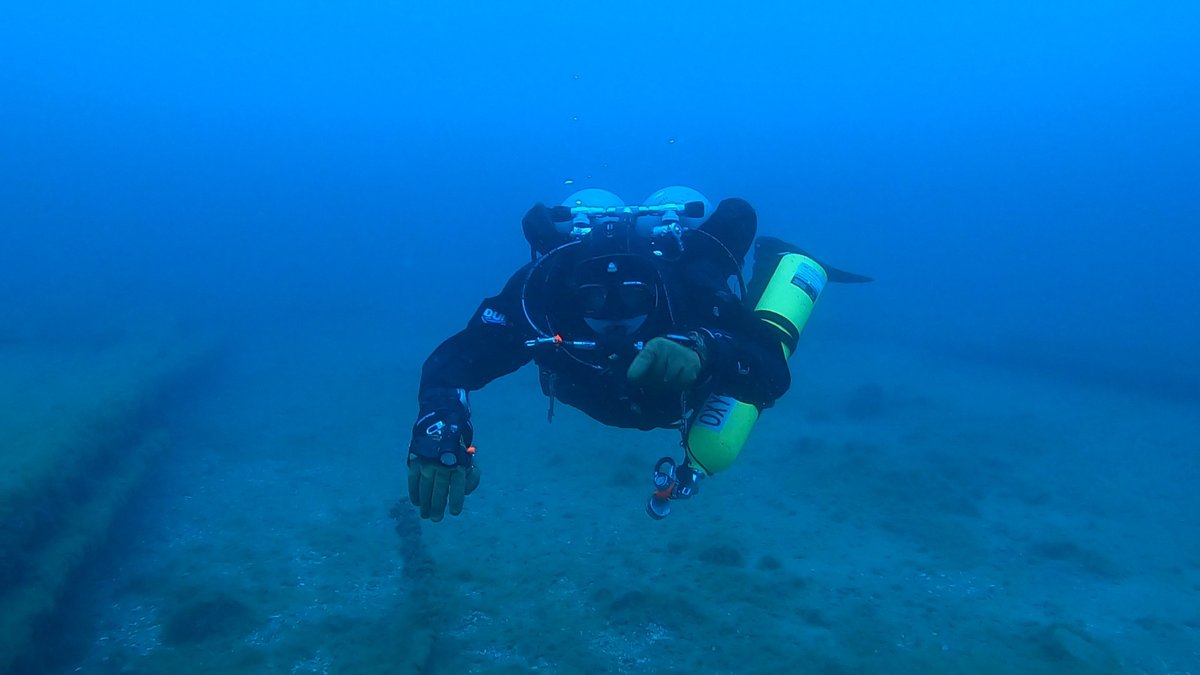
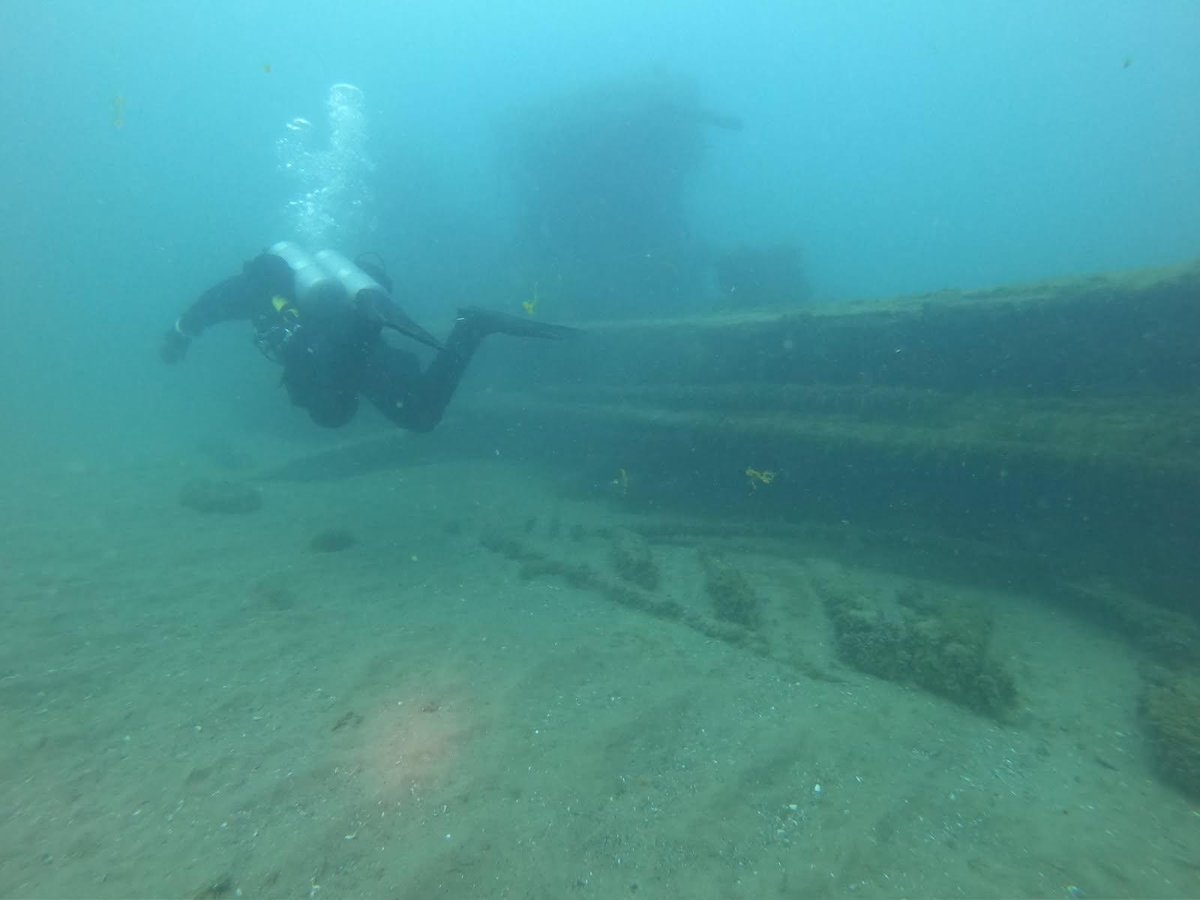
Back-to-back staged-decompression dives on two undocumented Lake Michigan wrecks, both sitting in roughly 115 ft of water. Kian descended first with a buddy to set the mooring, then ran each survey solo while the boat tied in, measuring with a knotted spool marked every five feet. Neither wreck appears in any database we have checked. Neither carries a name.

Site 01 · Found 2023

Cody’s Barge / Barge 135

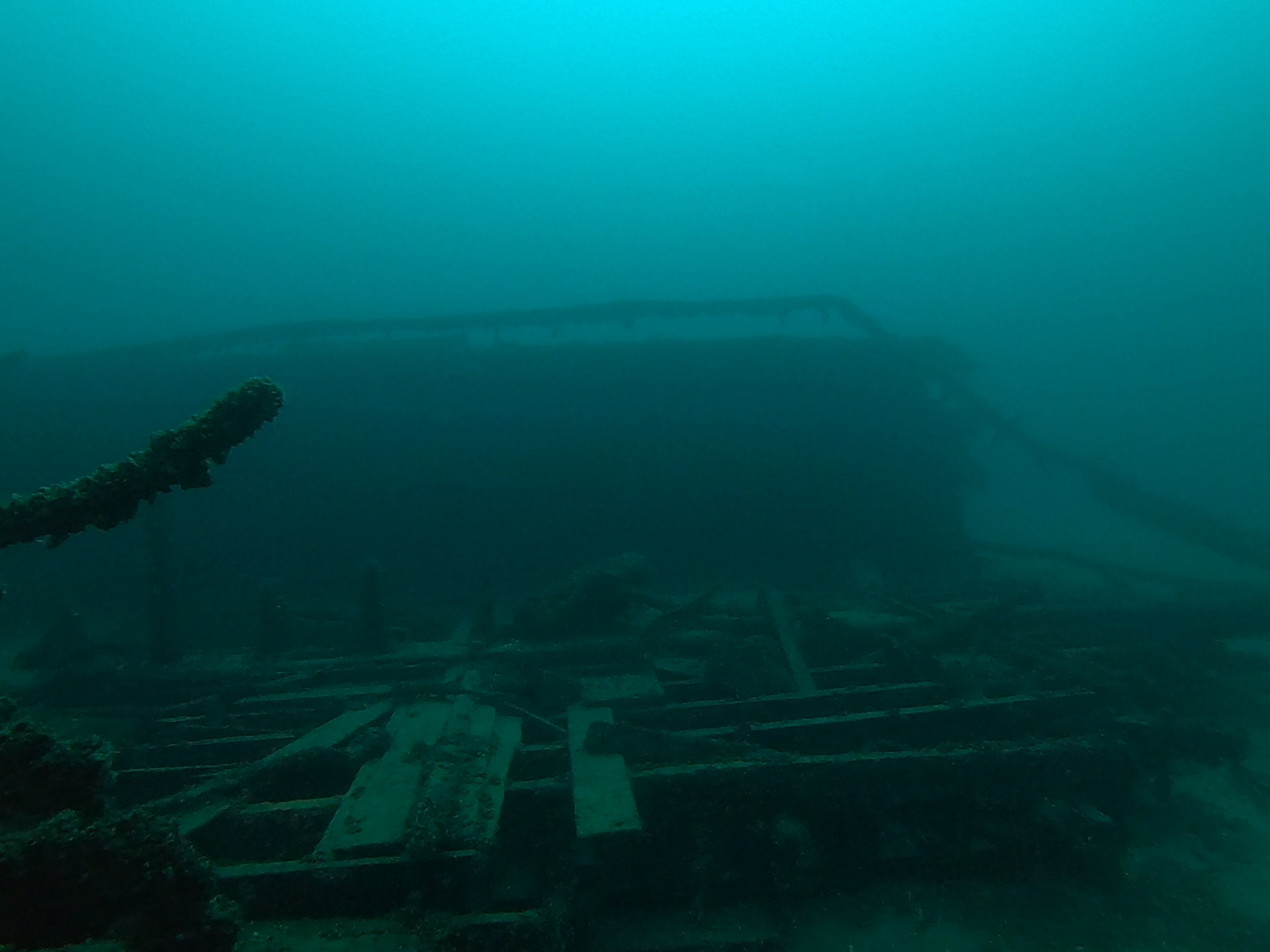
Steel-hulled work / derrick barge, non-self-propelled. Sits upright and intact on the lakebed.

Hand-drawn survey schematic of Barge 135, showing a scaled top view and starboard elevation
Top view runs 0–115 ft along the hull by 0–45 ft across the beam. The starboard elevation carries the same scale, deck sitting near 15 ft with the crane structure aft standing higher.
Type
Work / derrick barge (non-self-propelled)
Dimensions
115 × 45 × 15 ft
Depth
~115 ft, Lake Michigan
Orientation
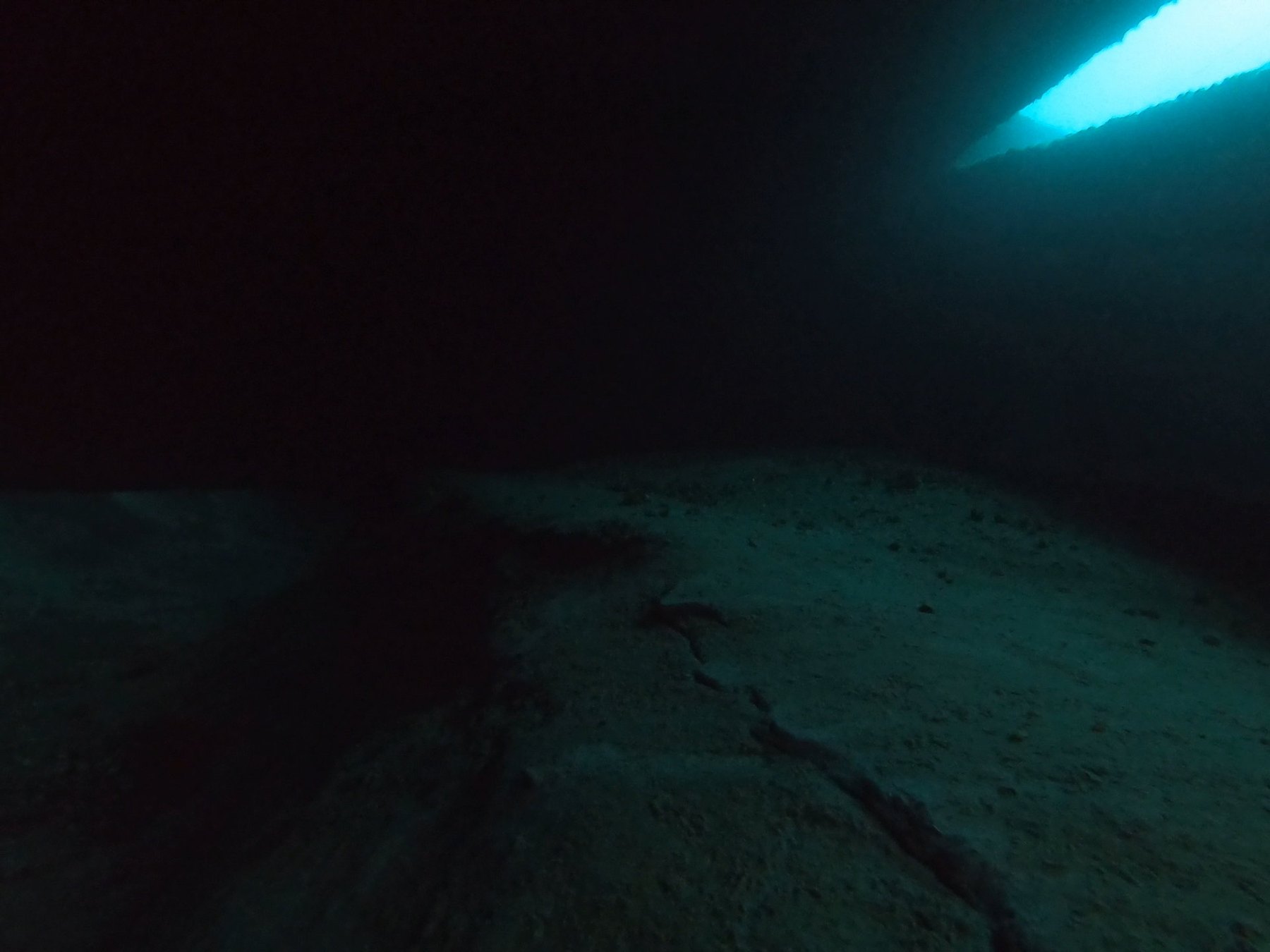
Upright, penetrable bow to stern
Hull
Entirely riveted steel — pre-1950s
Markings
“135”, rear starboard side
The find

Located in 2023, off a sonar blip picked up on the run back from the Thomas Hume.

Inside

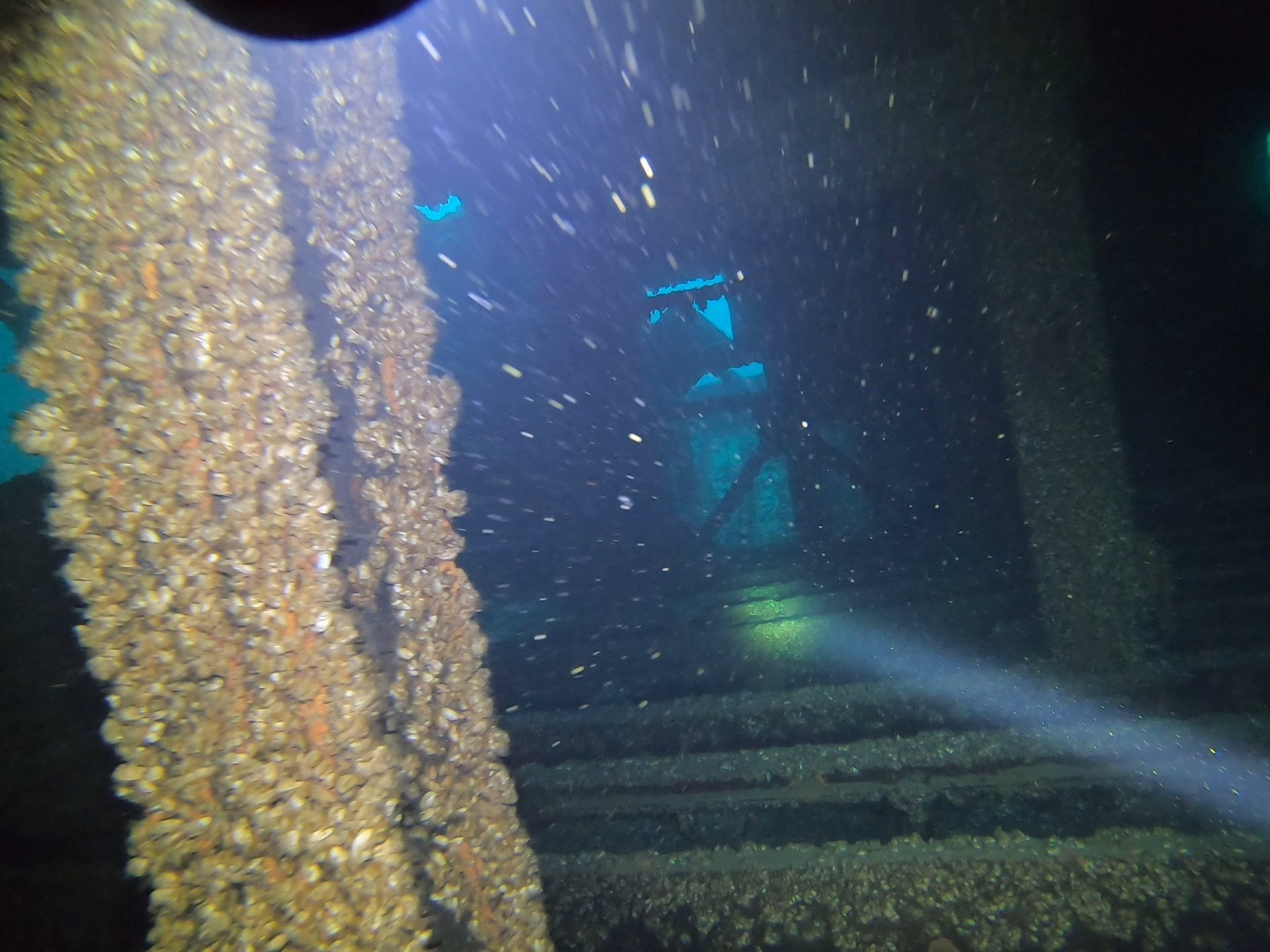
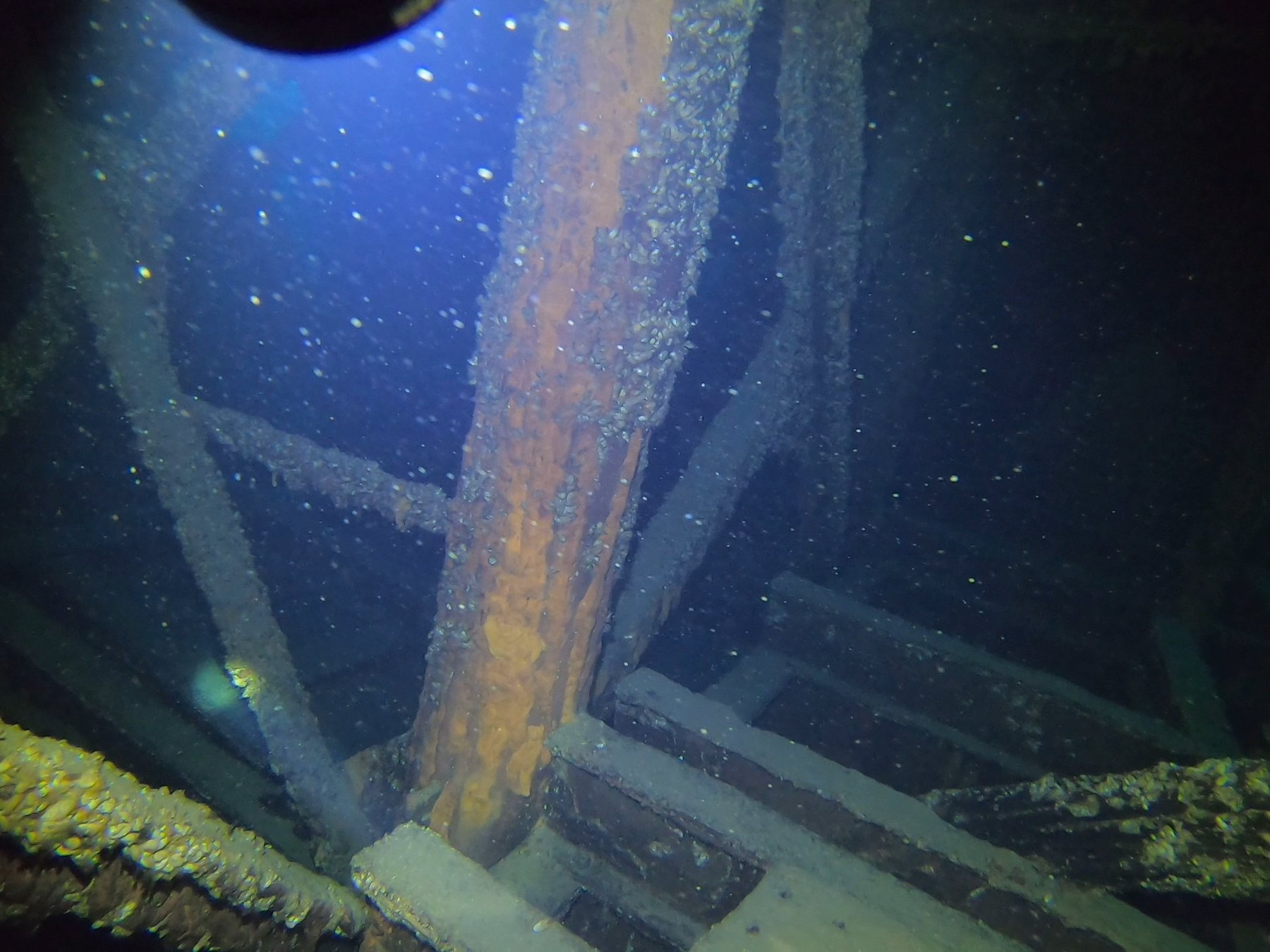
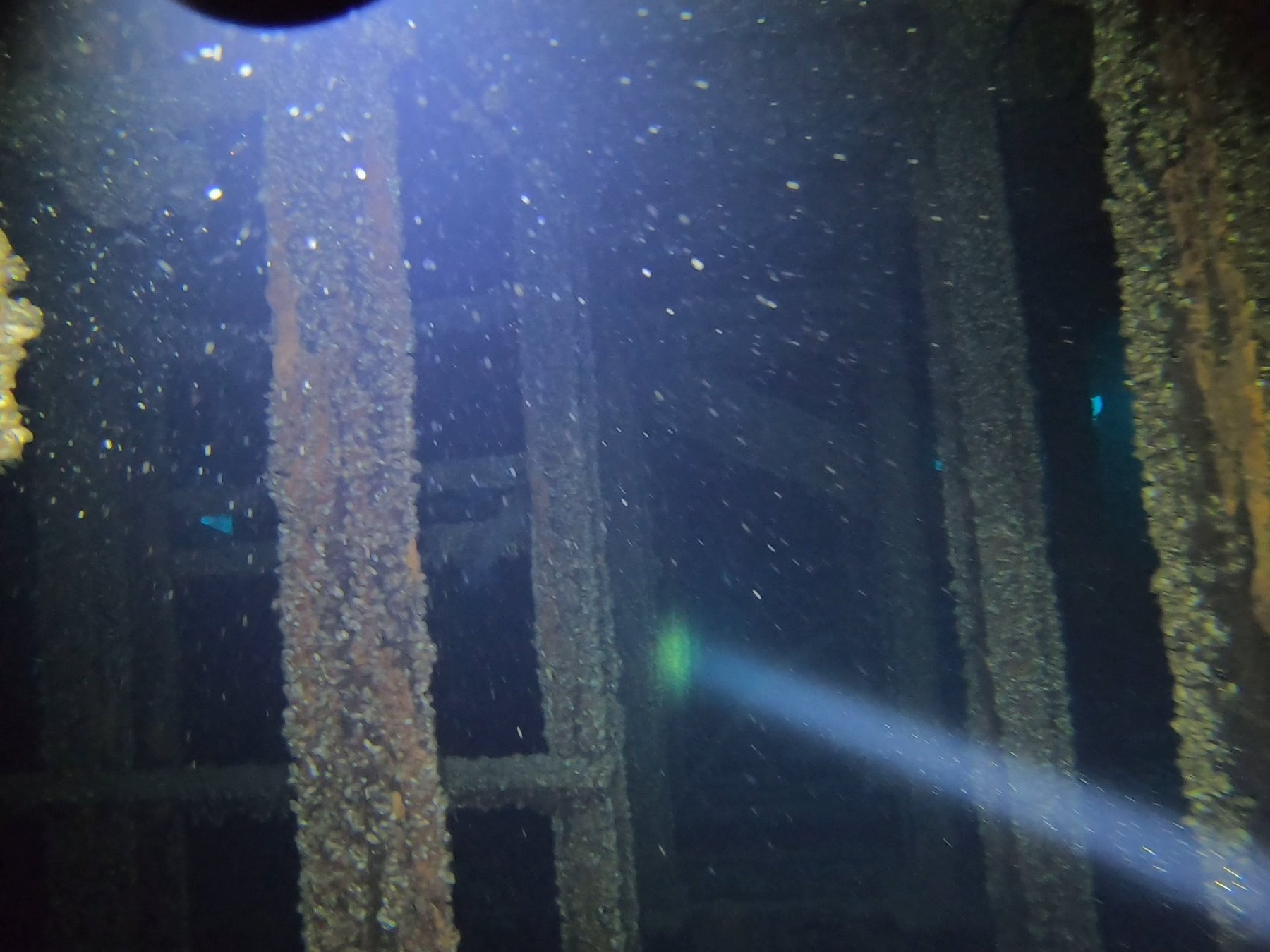
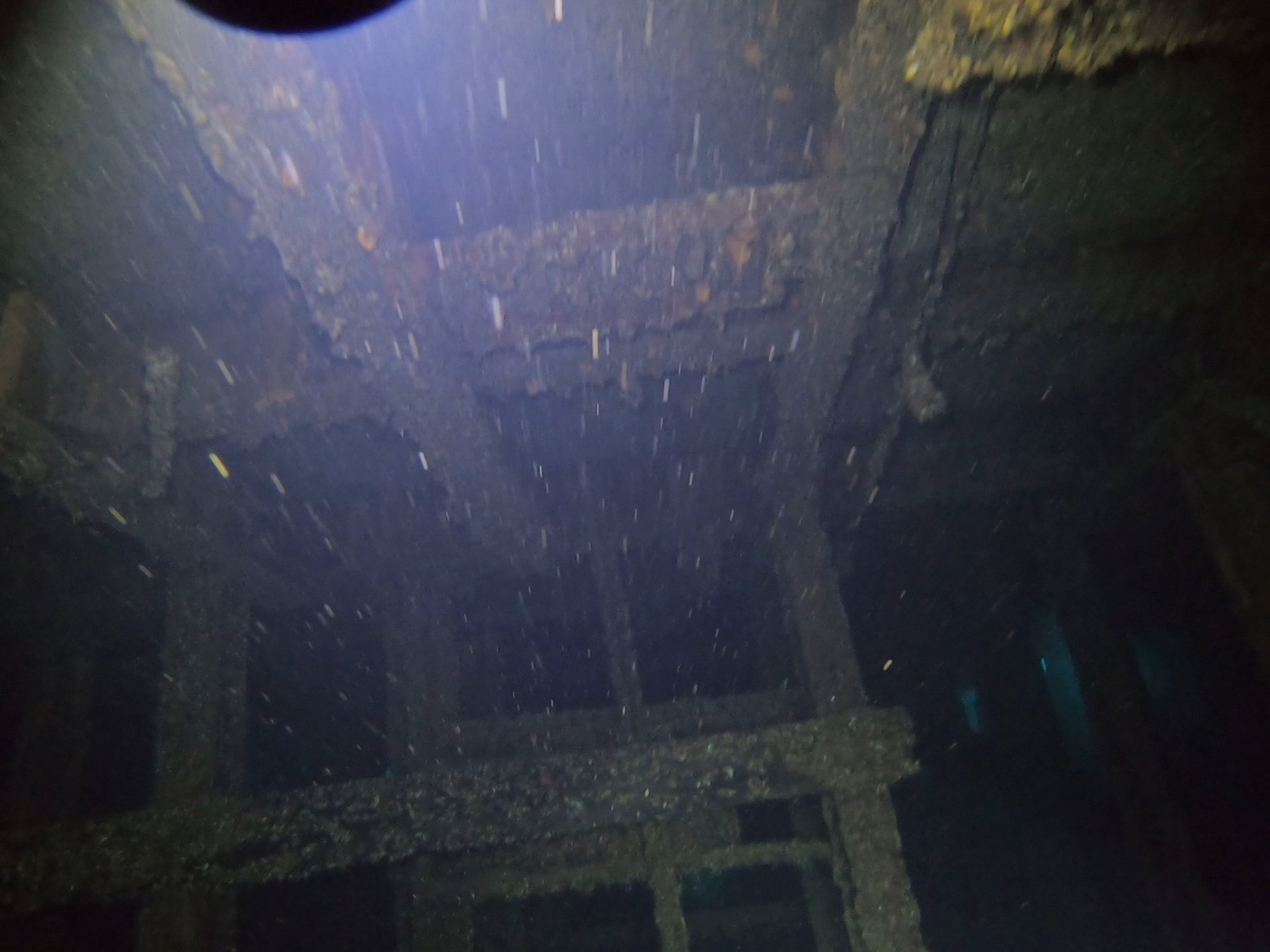
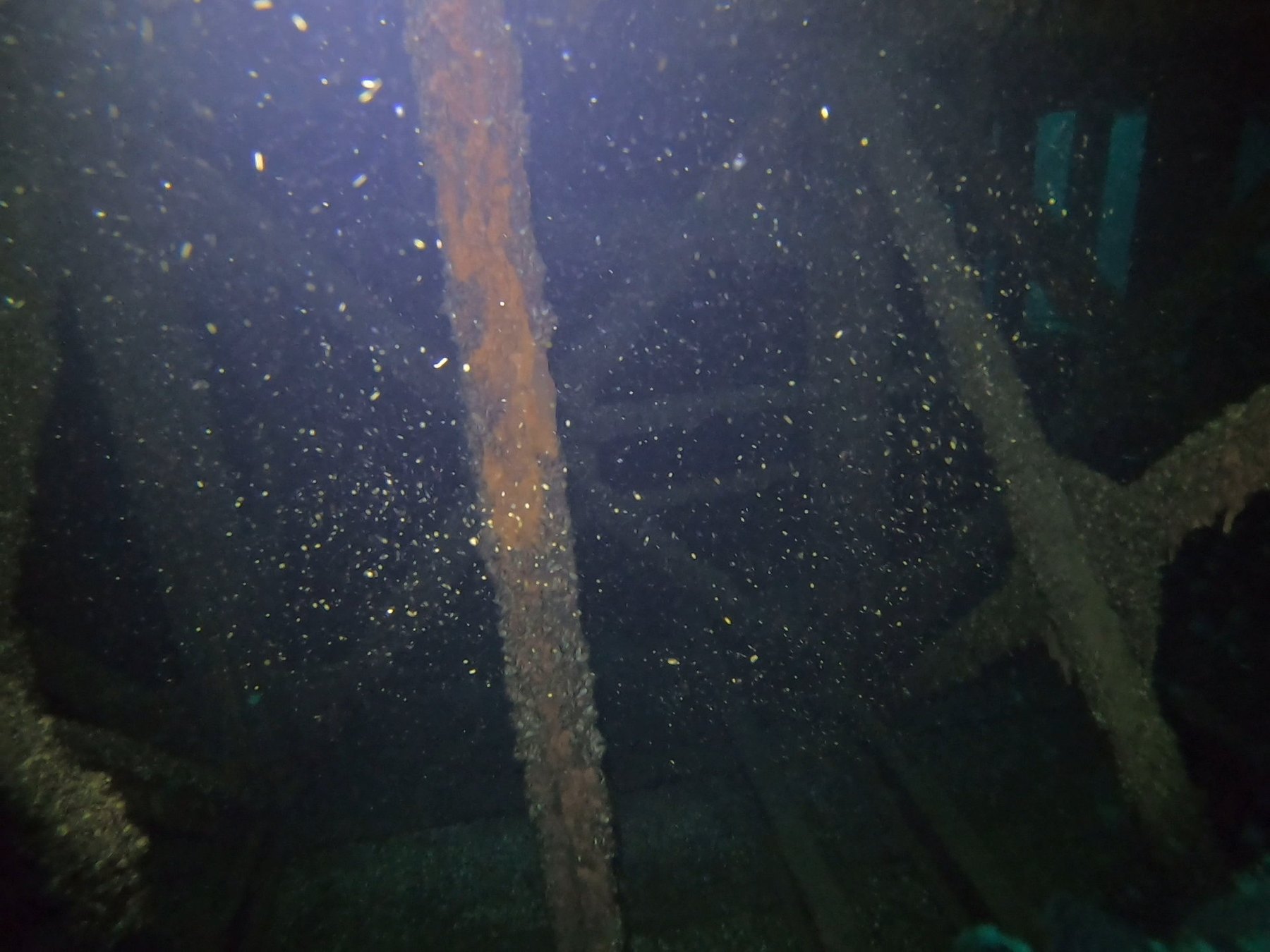
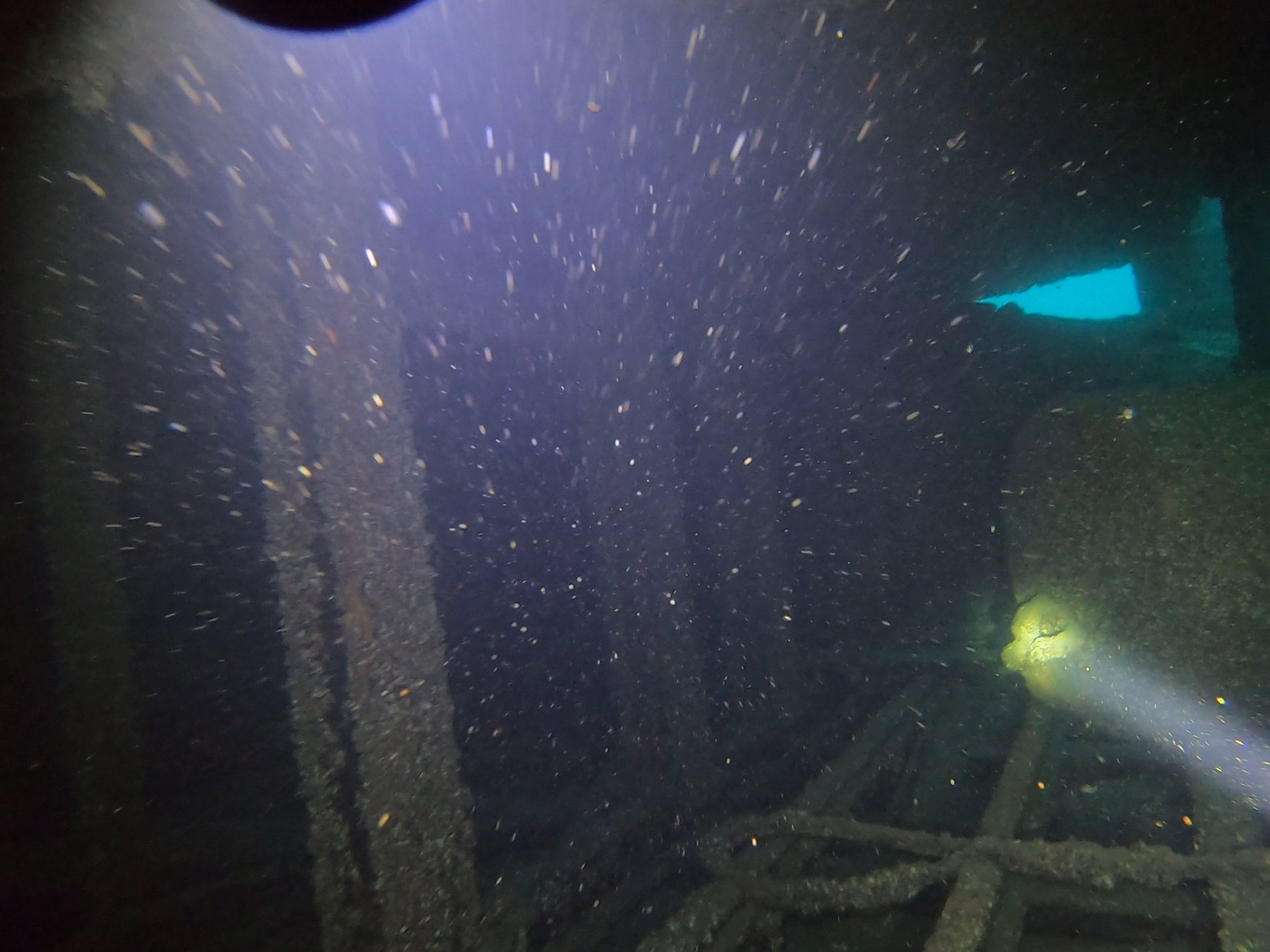
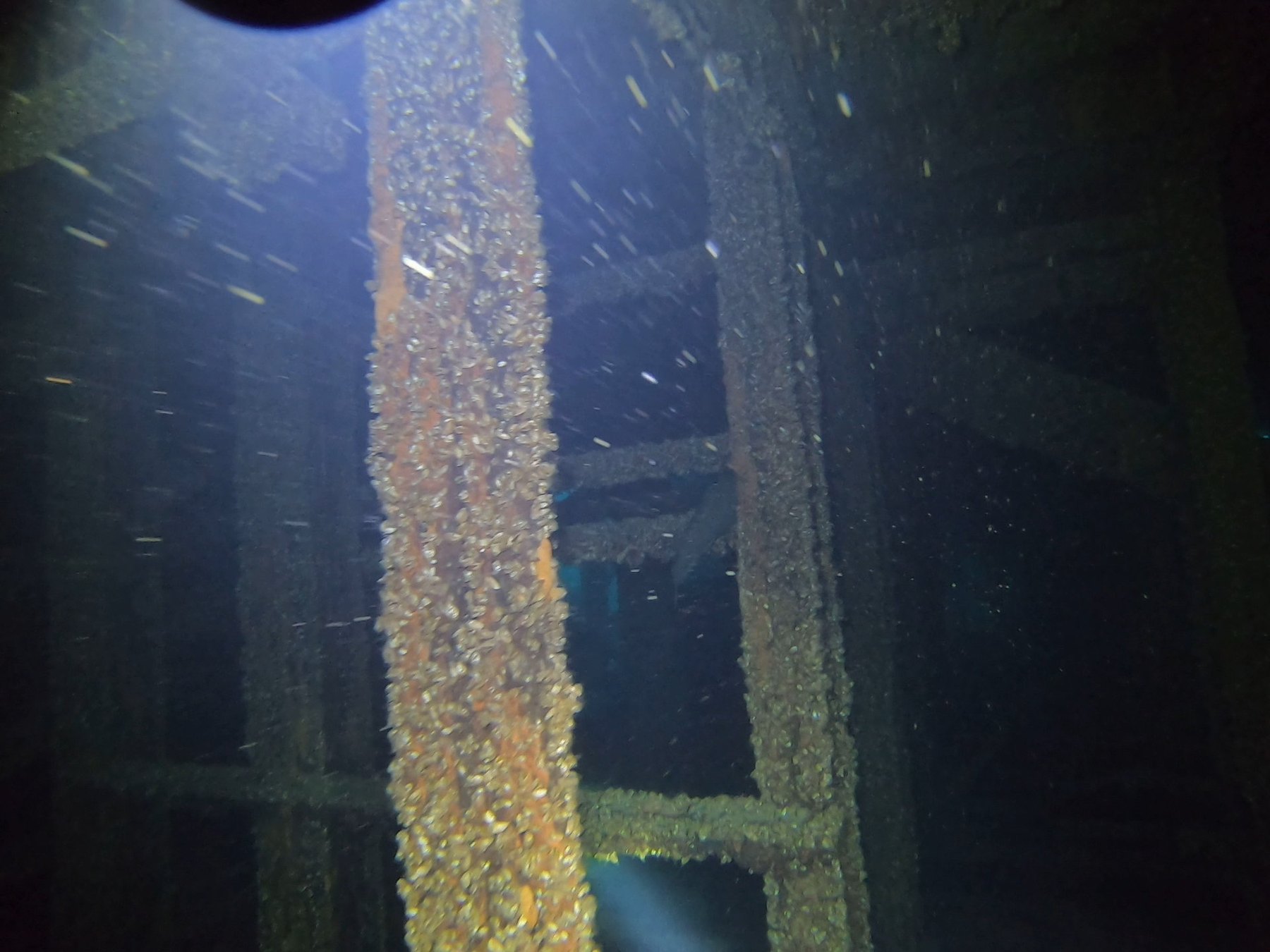
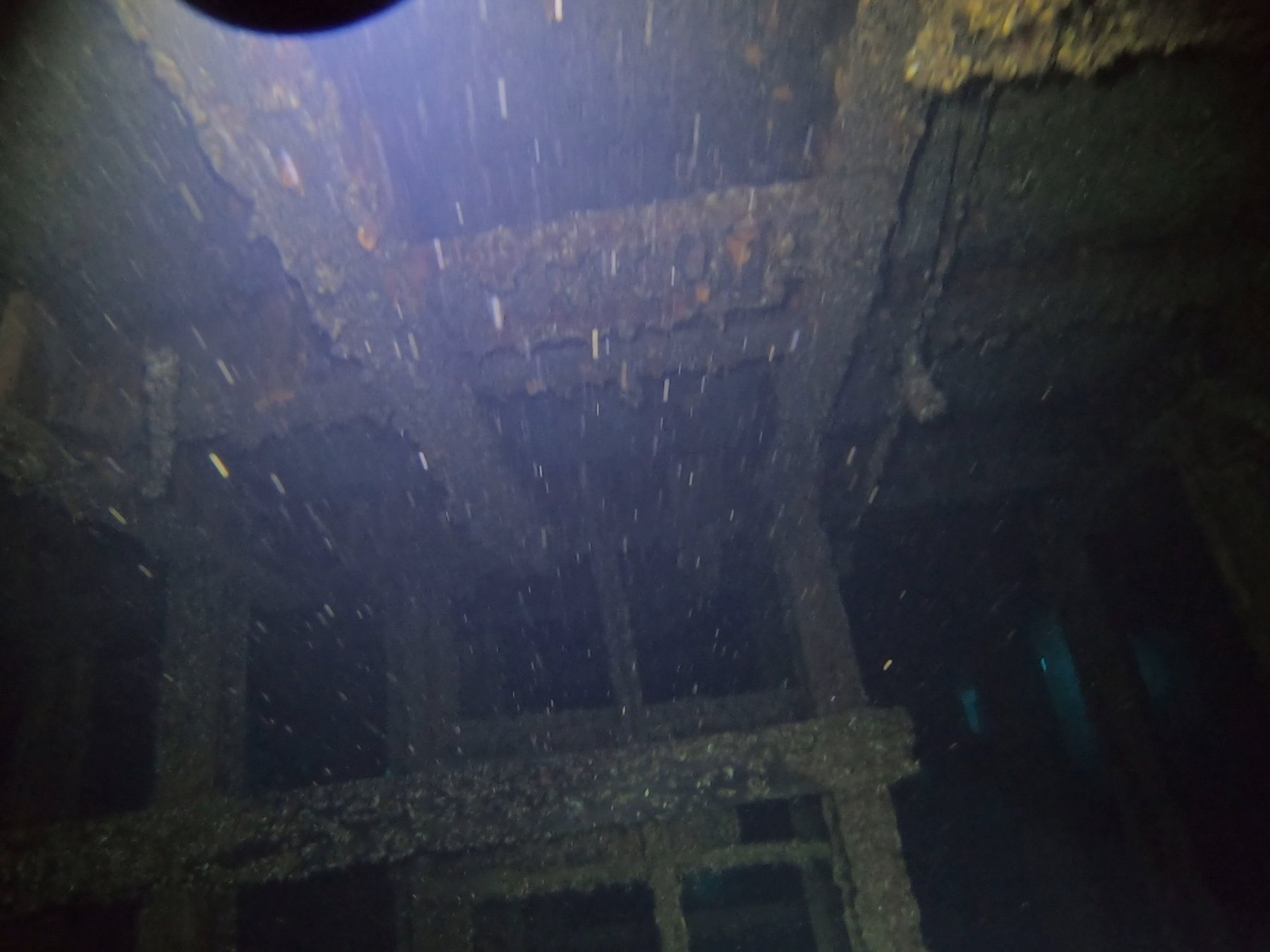
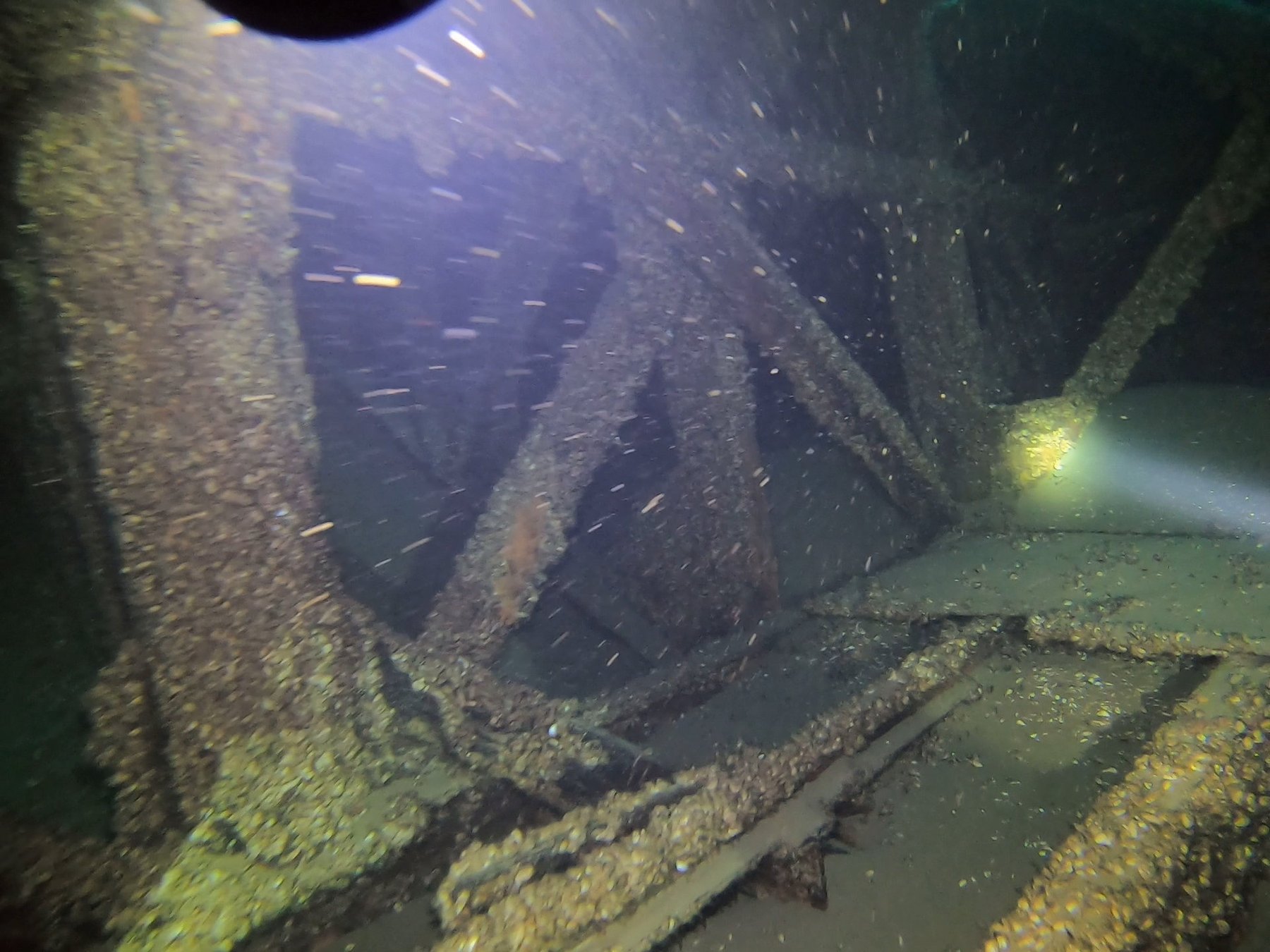
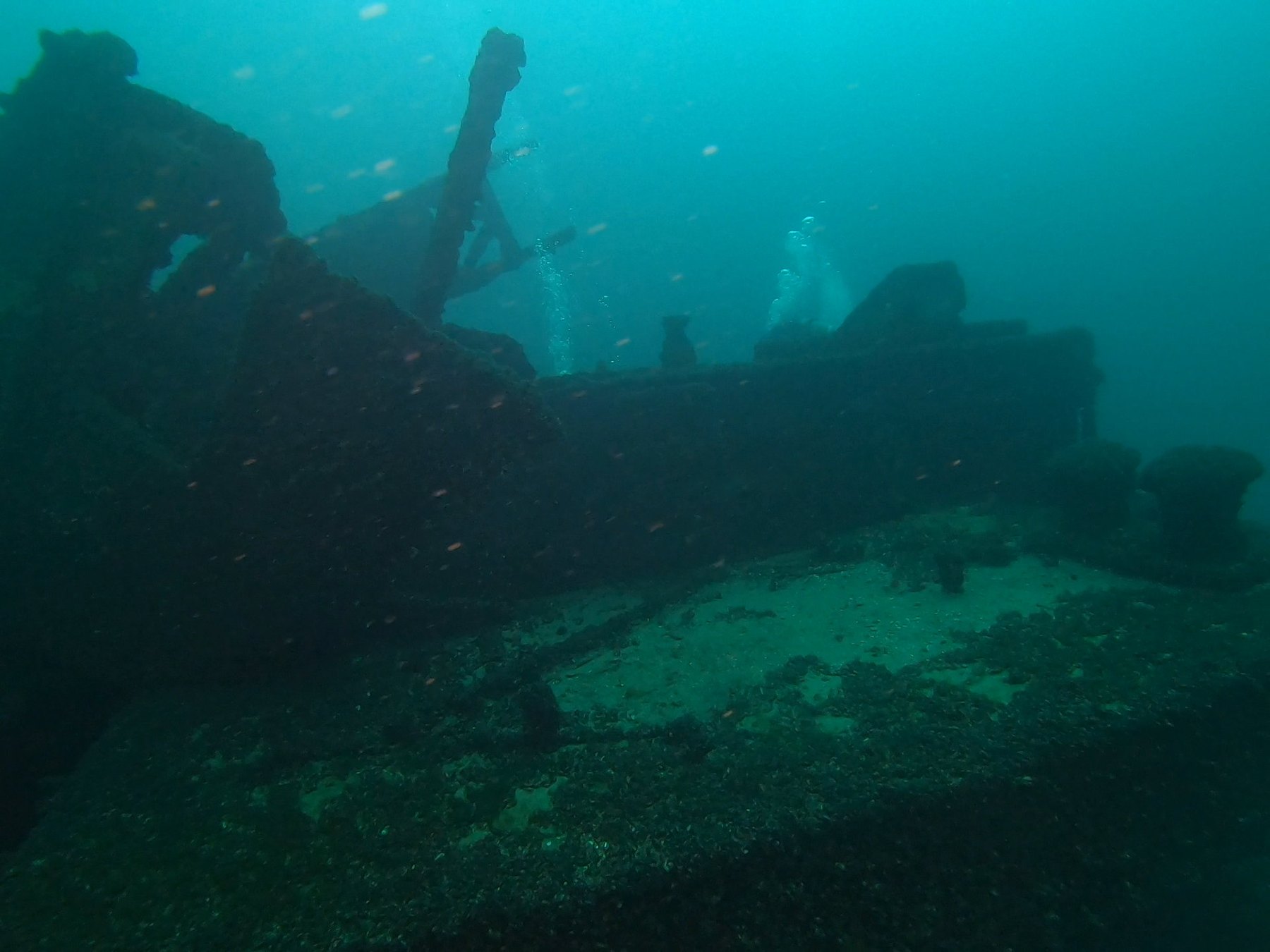
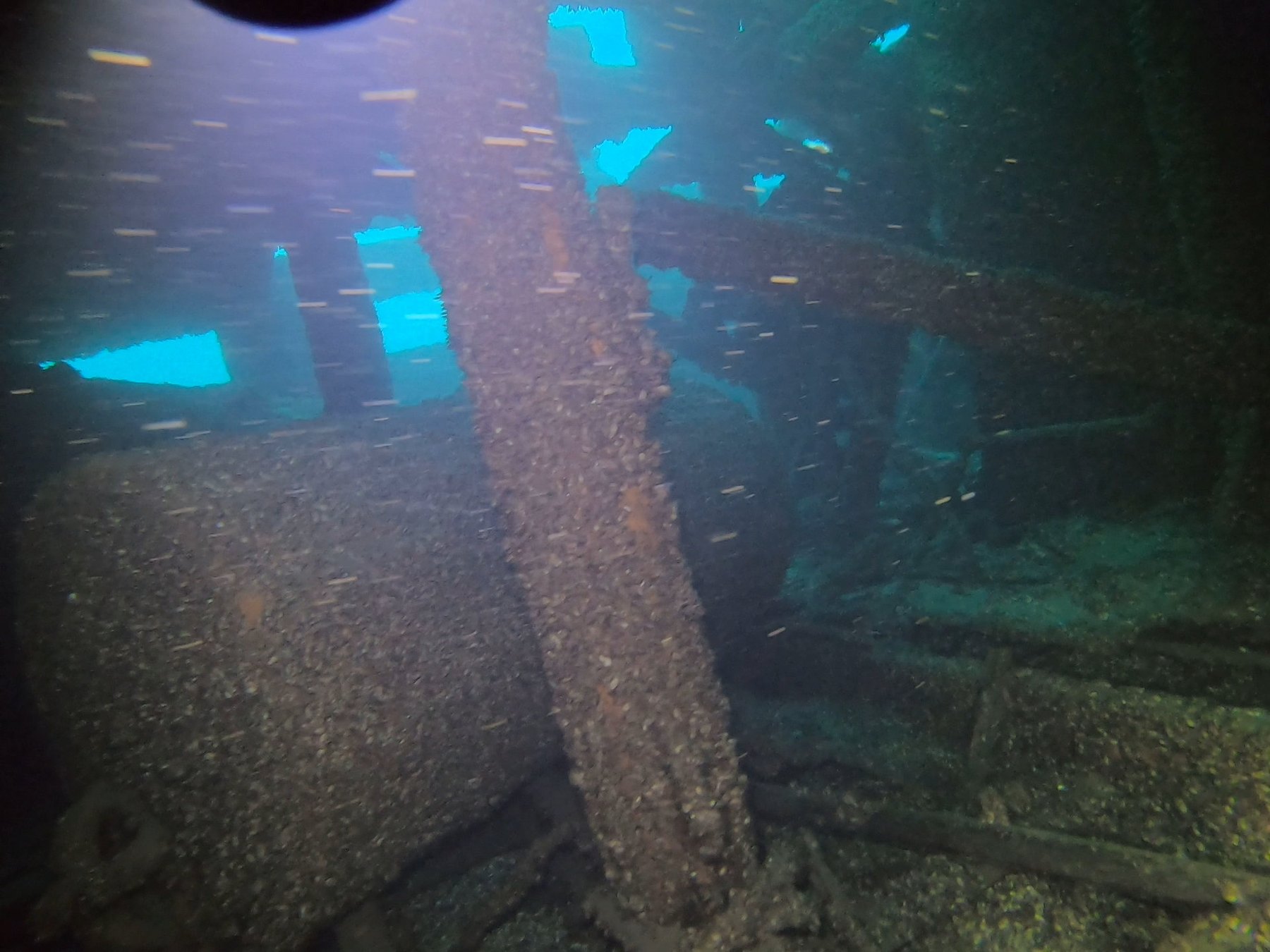
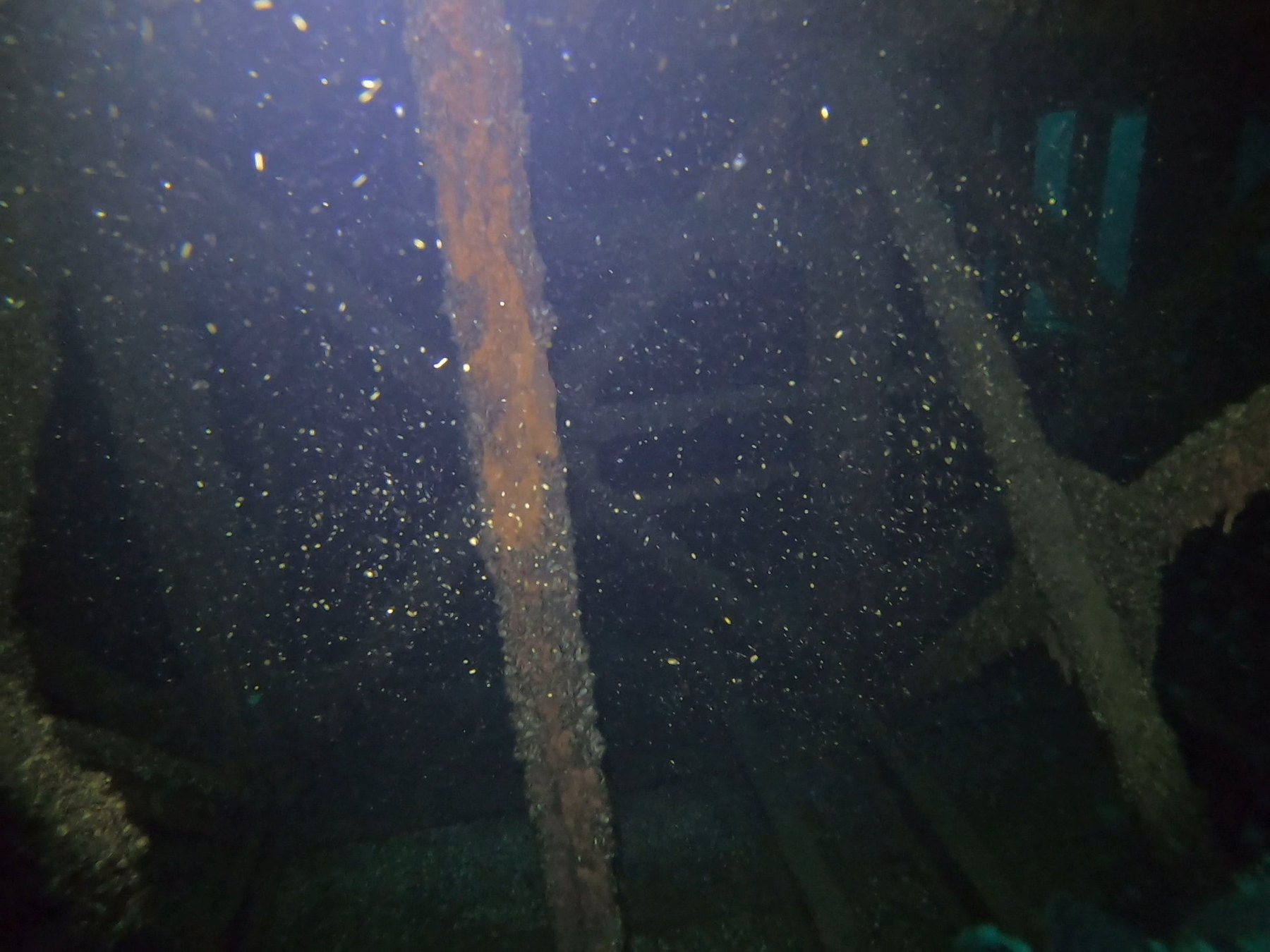
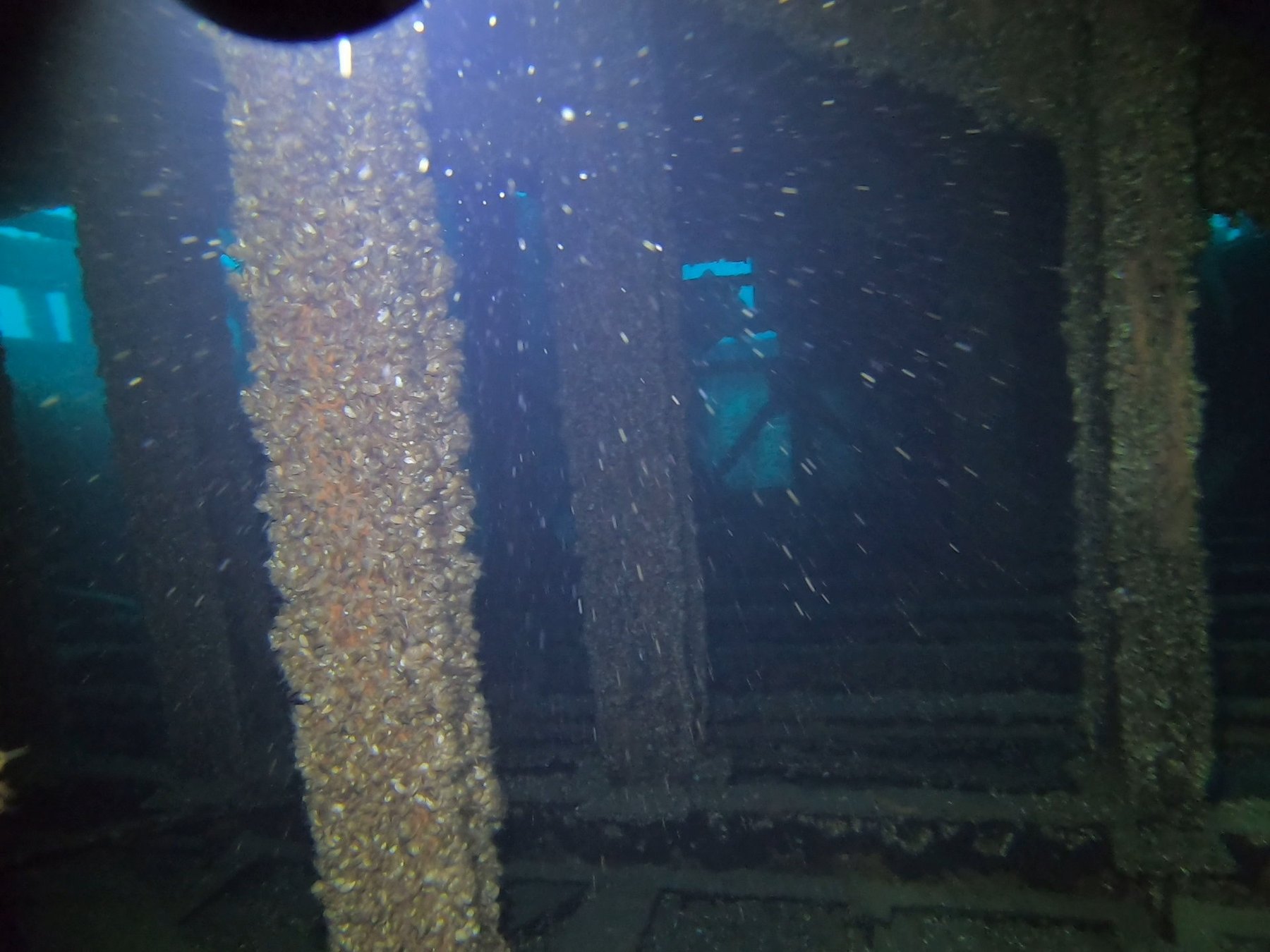
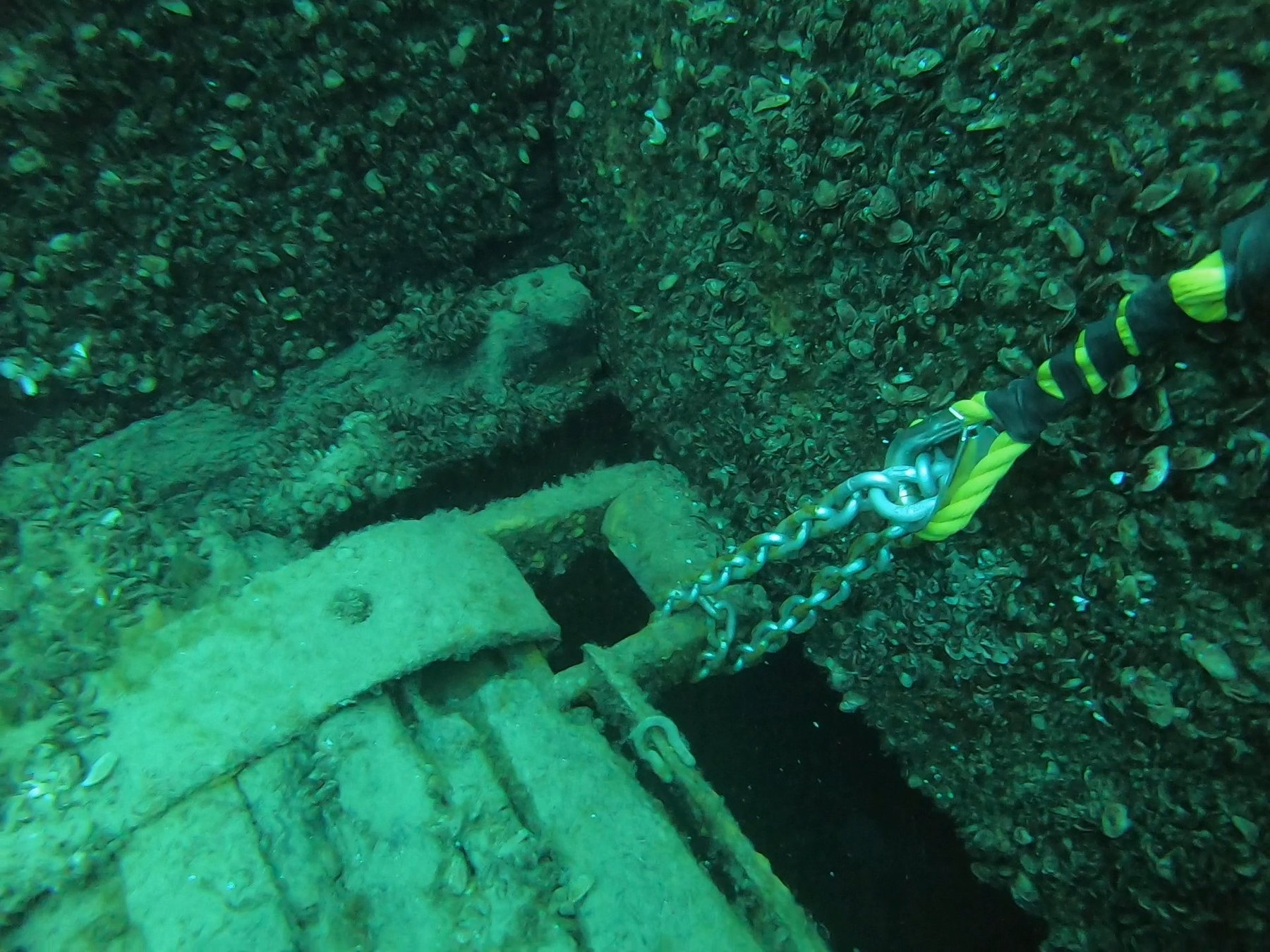
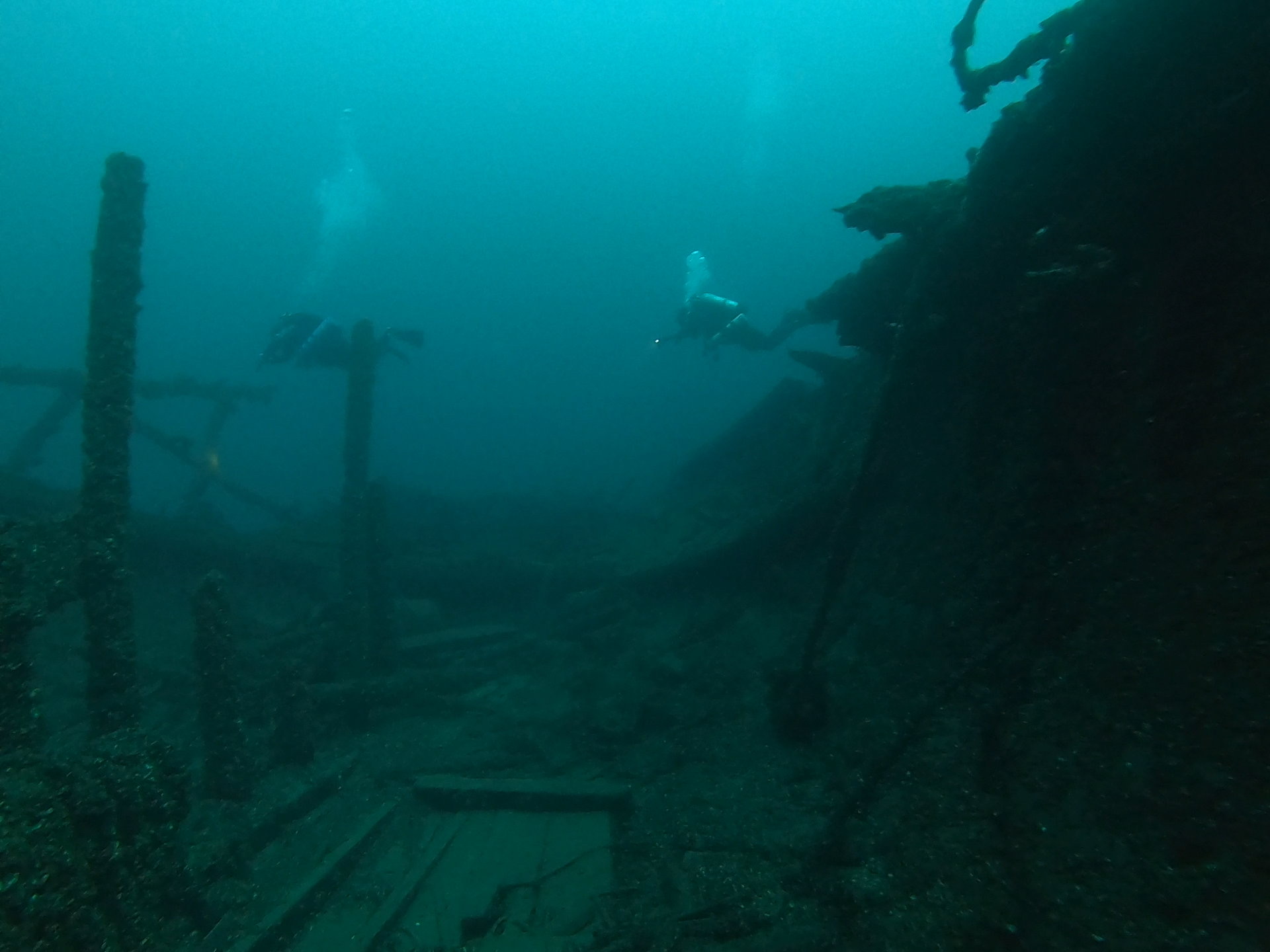
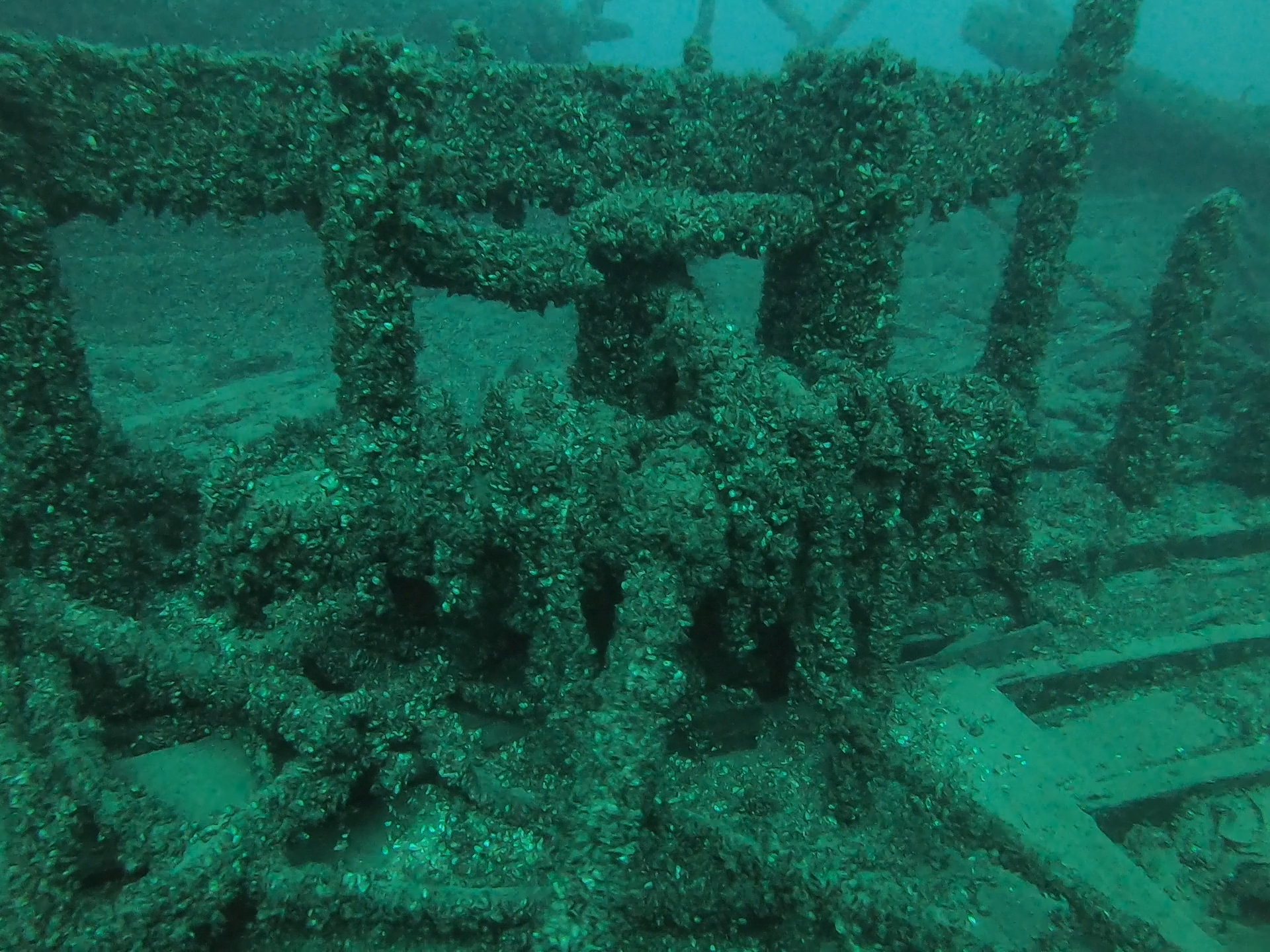
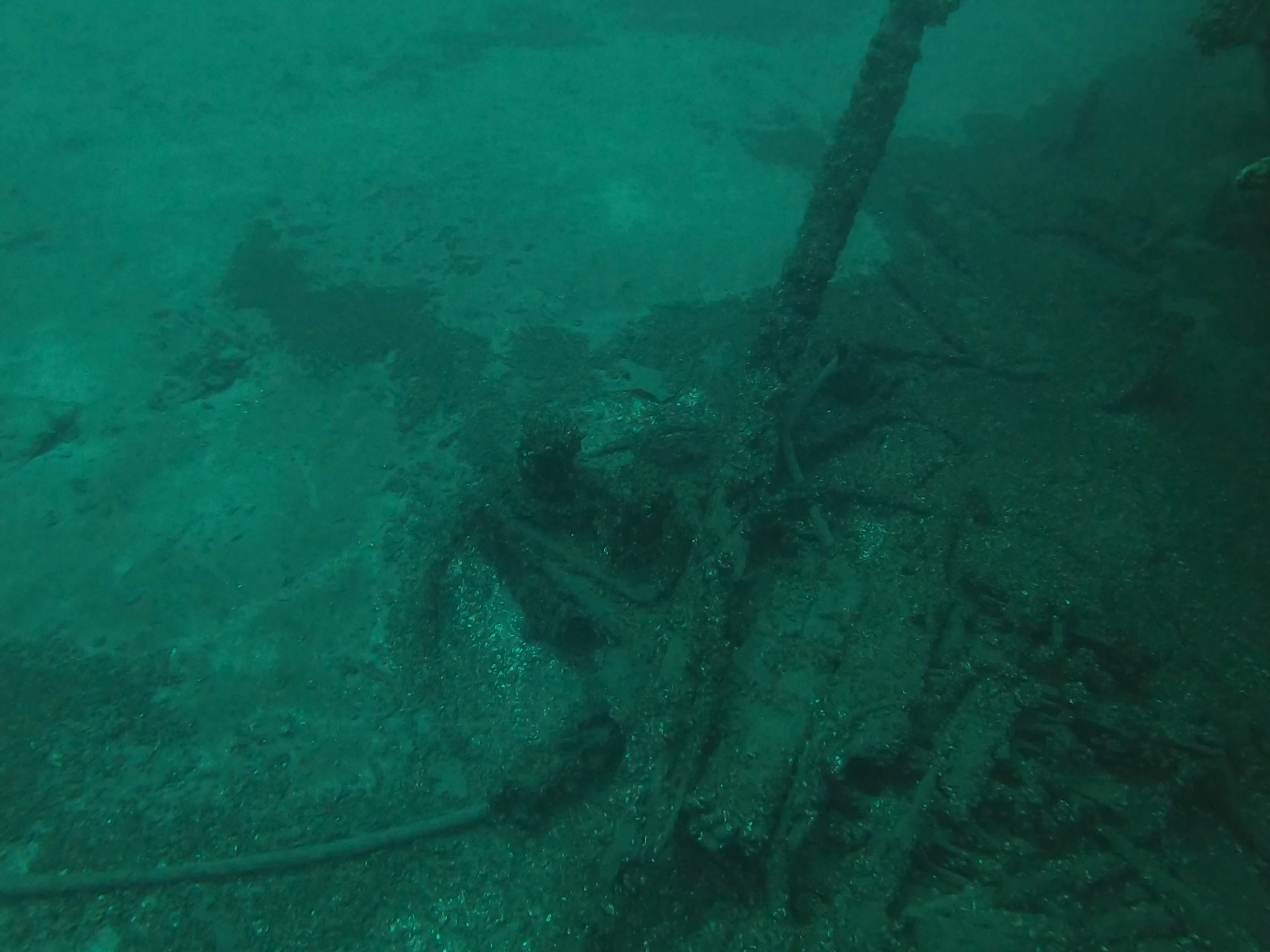
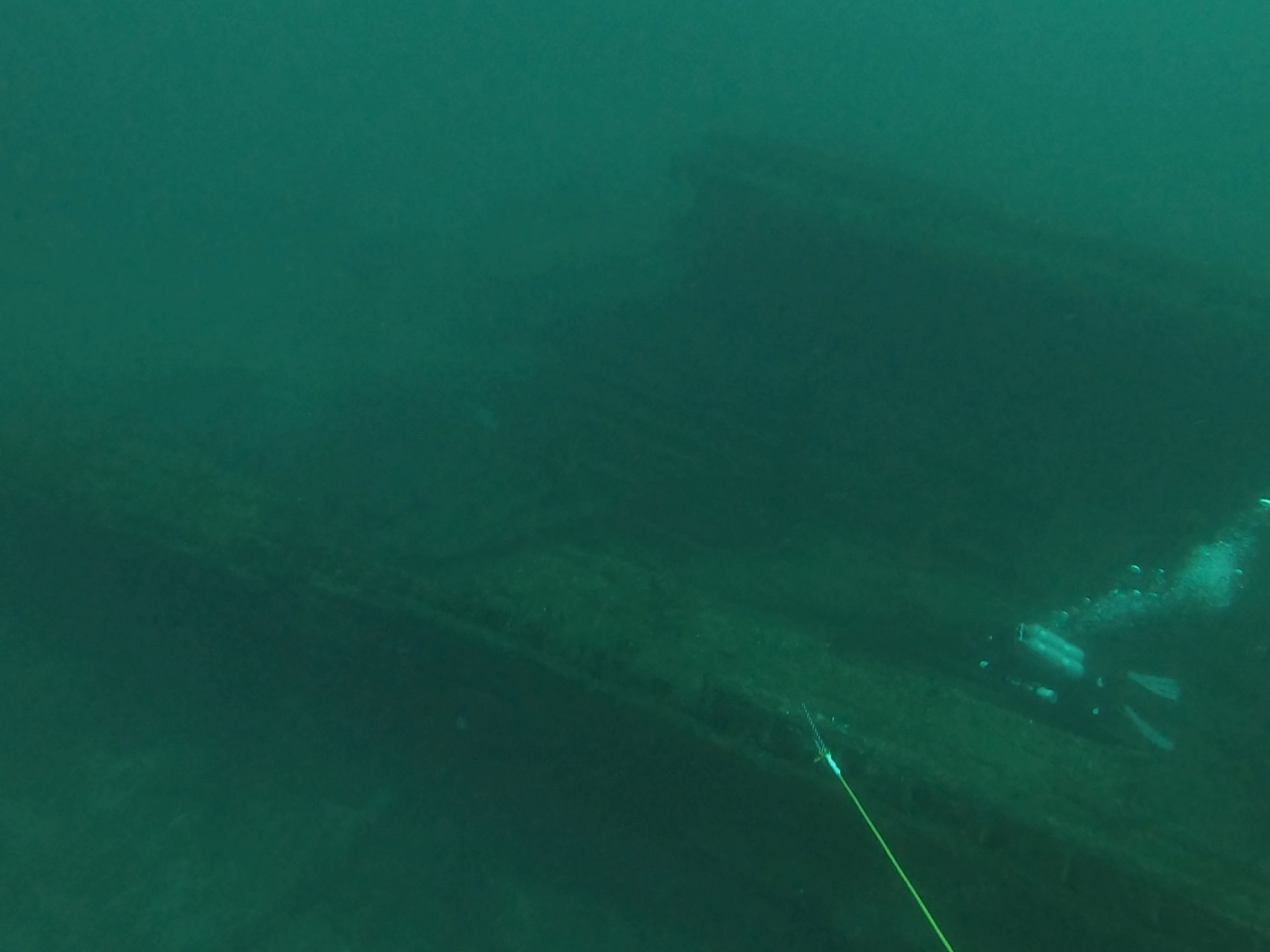
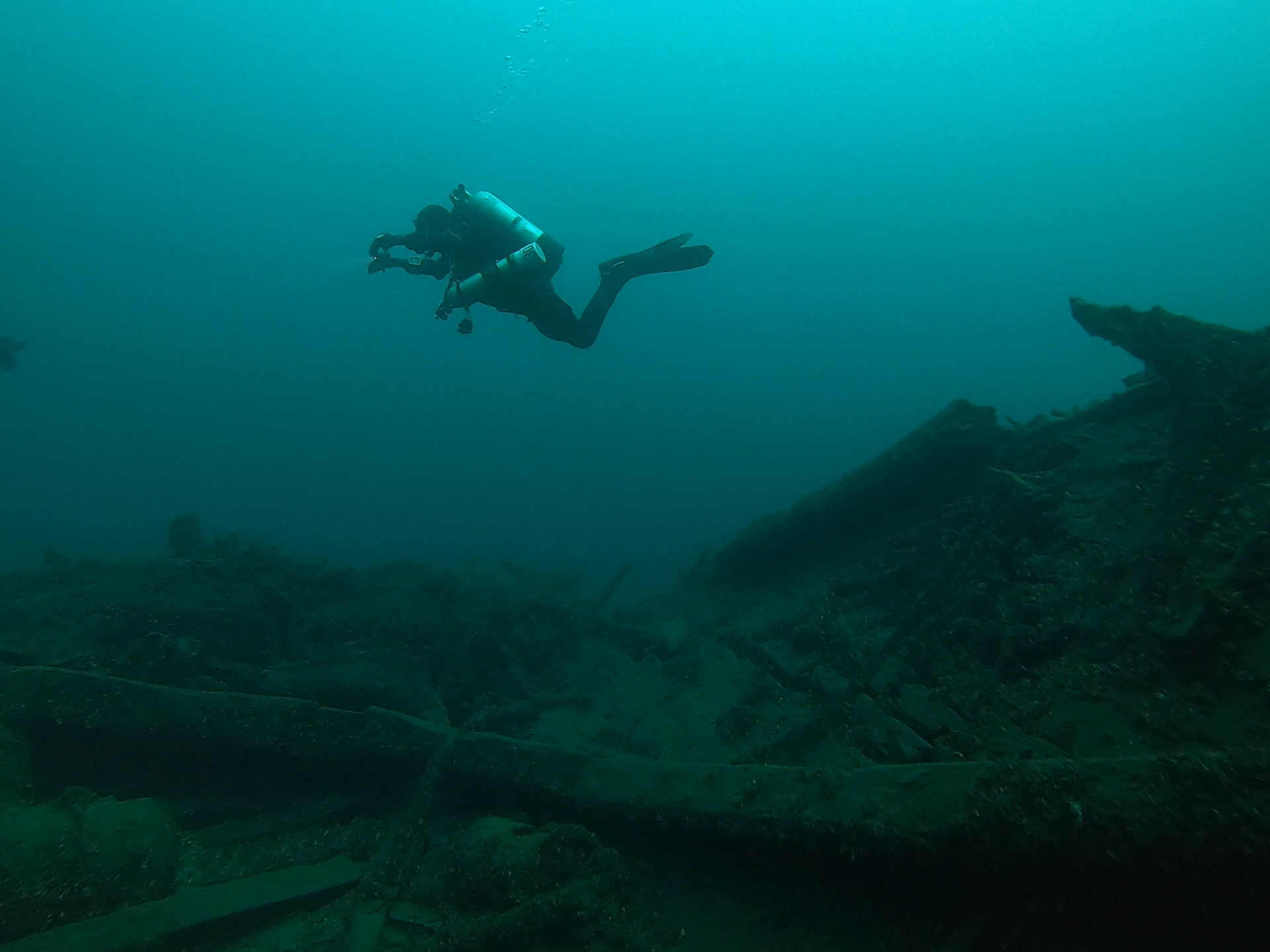
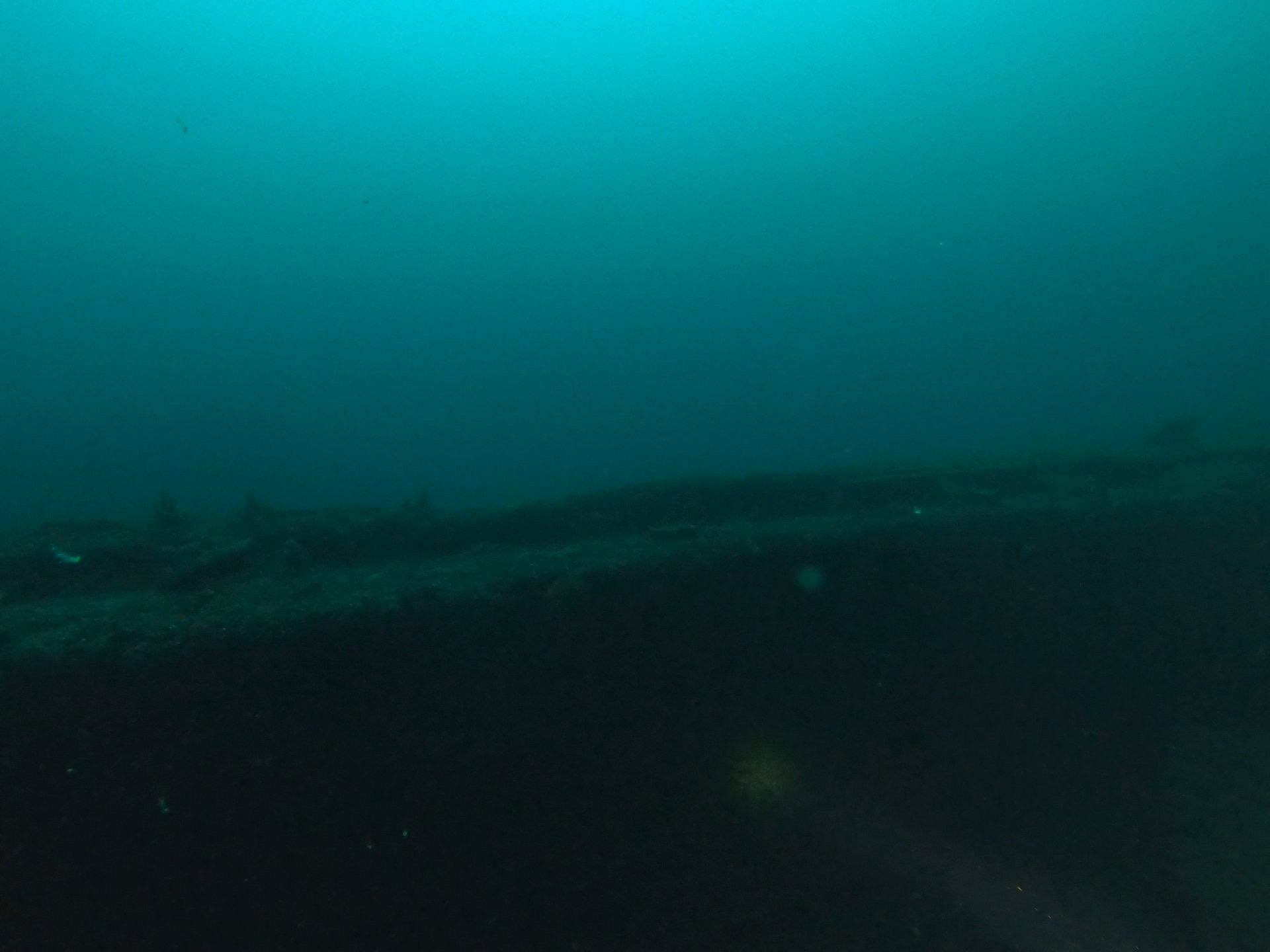
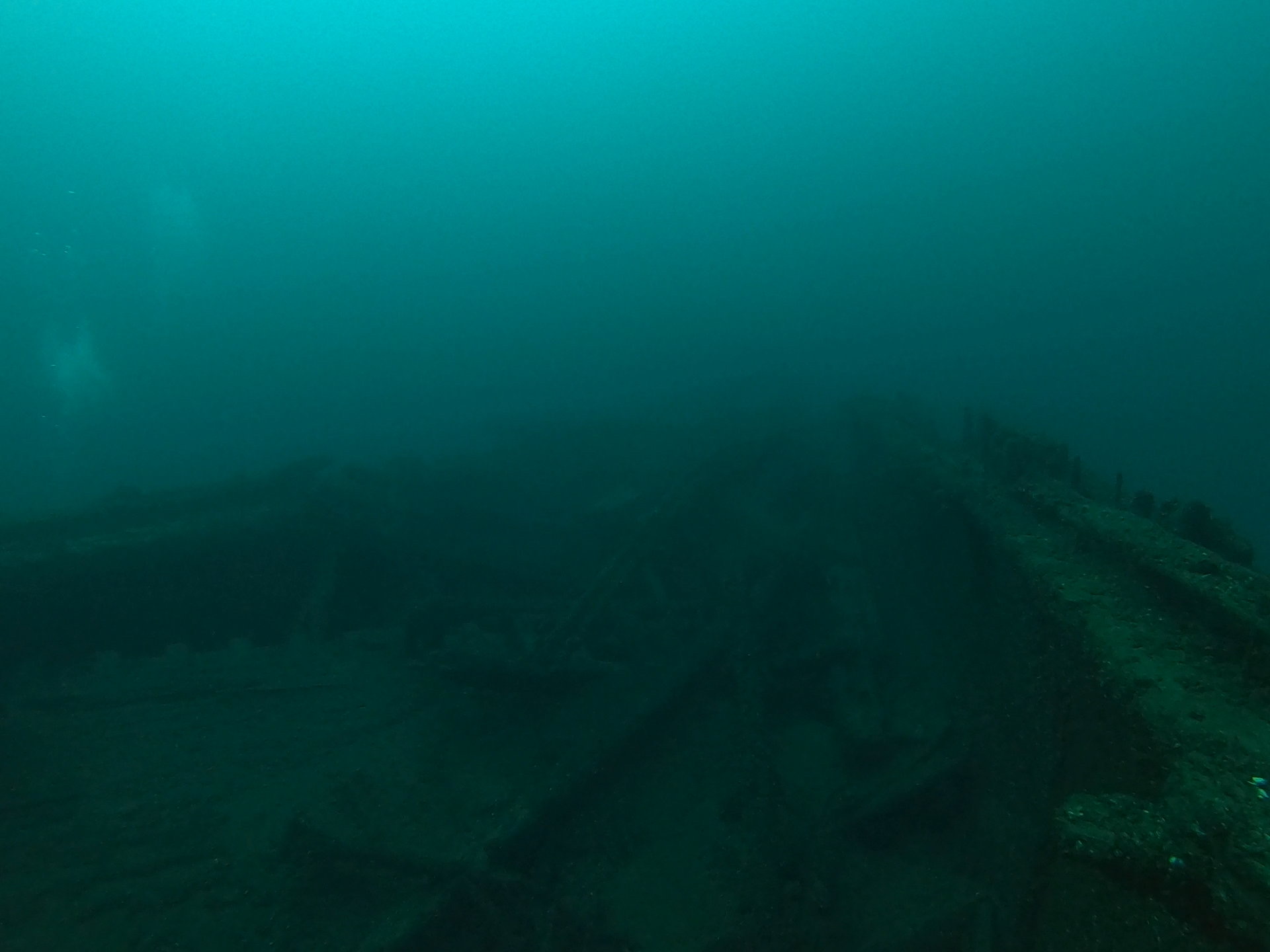
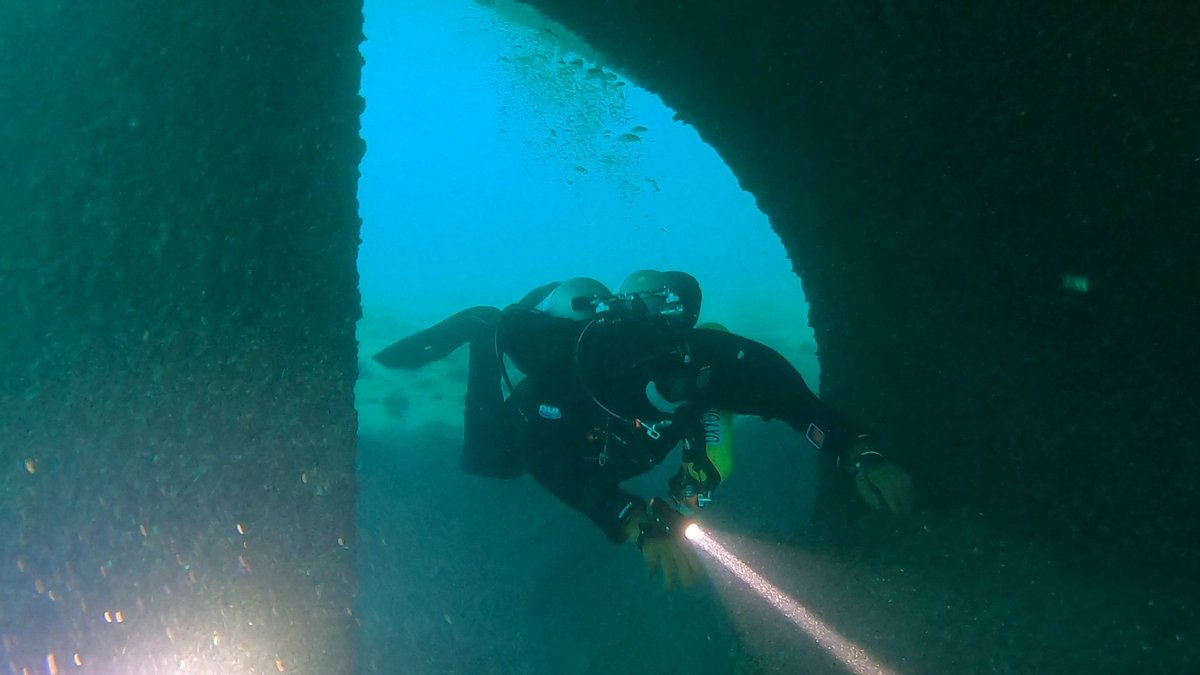
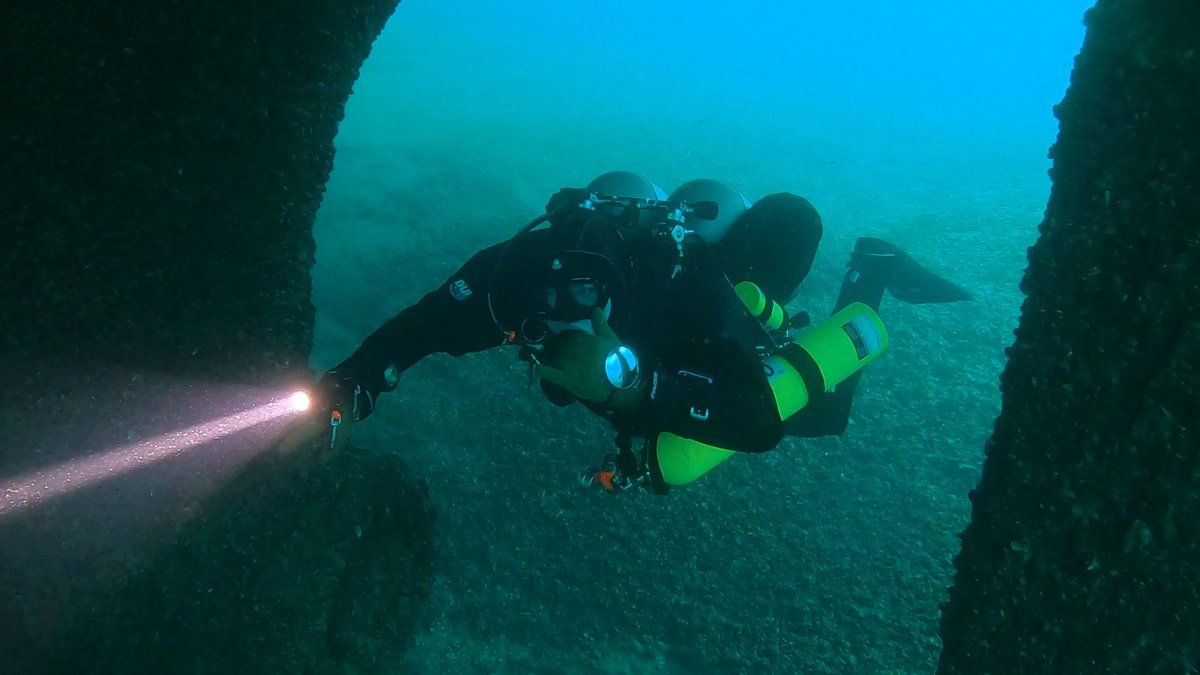
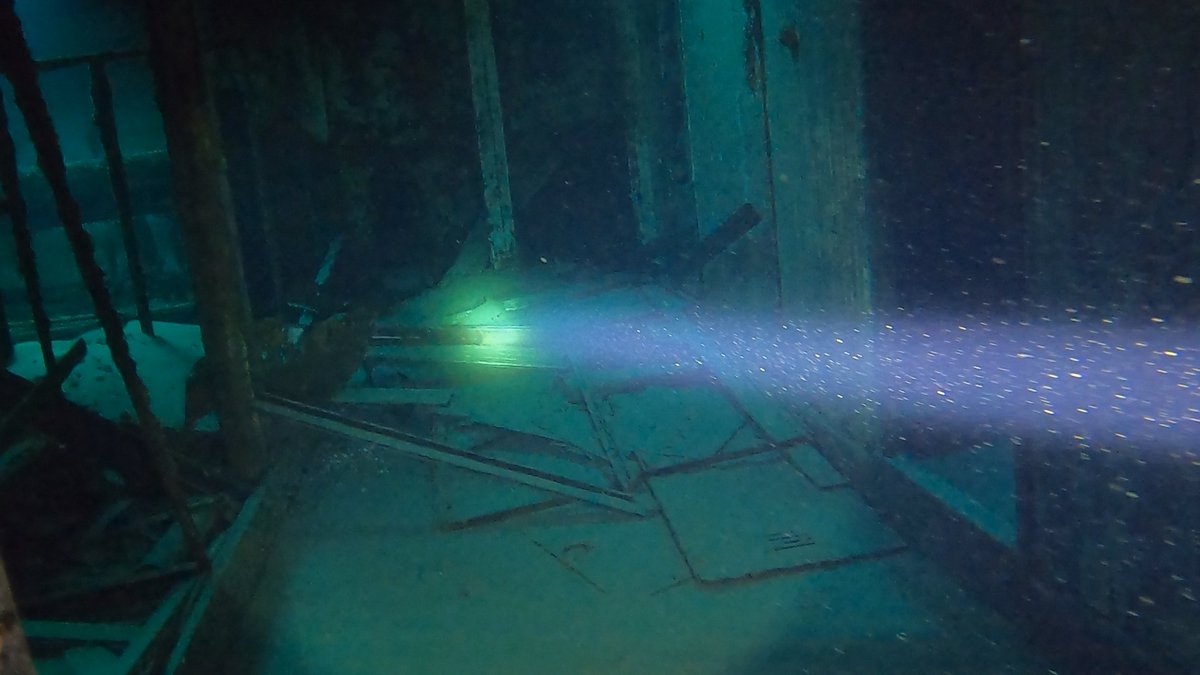
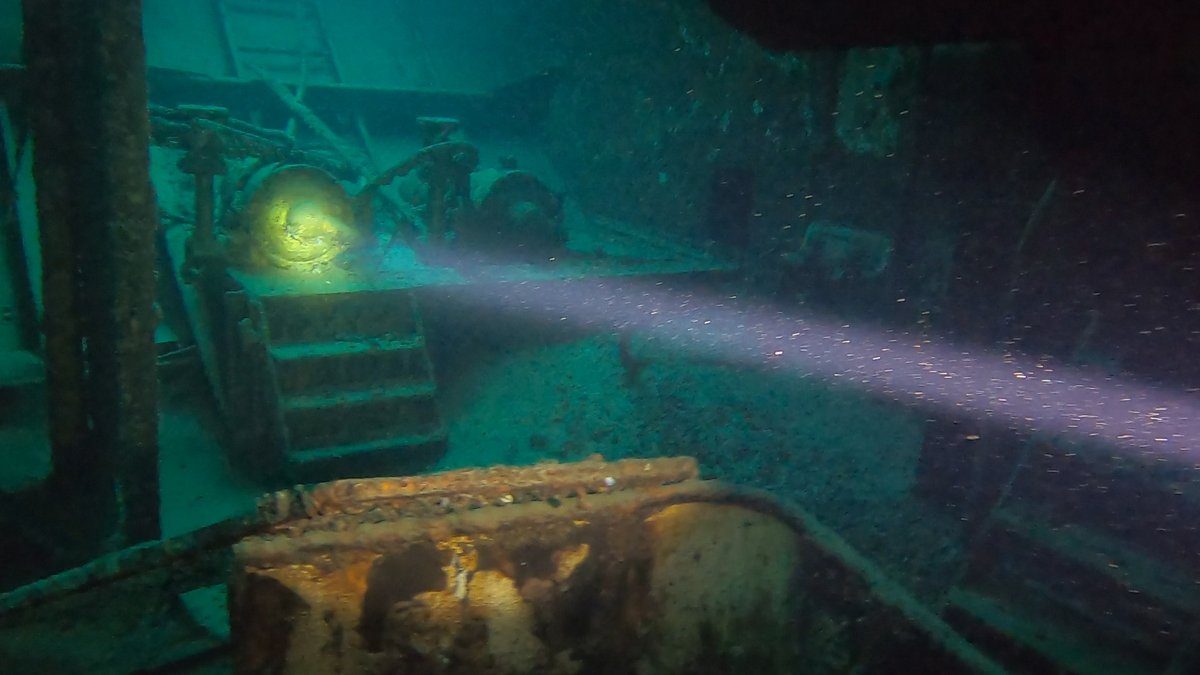
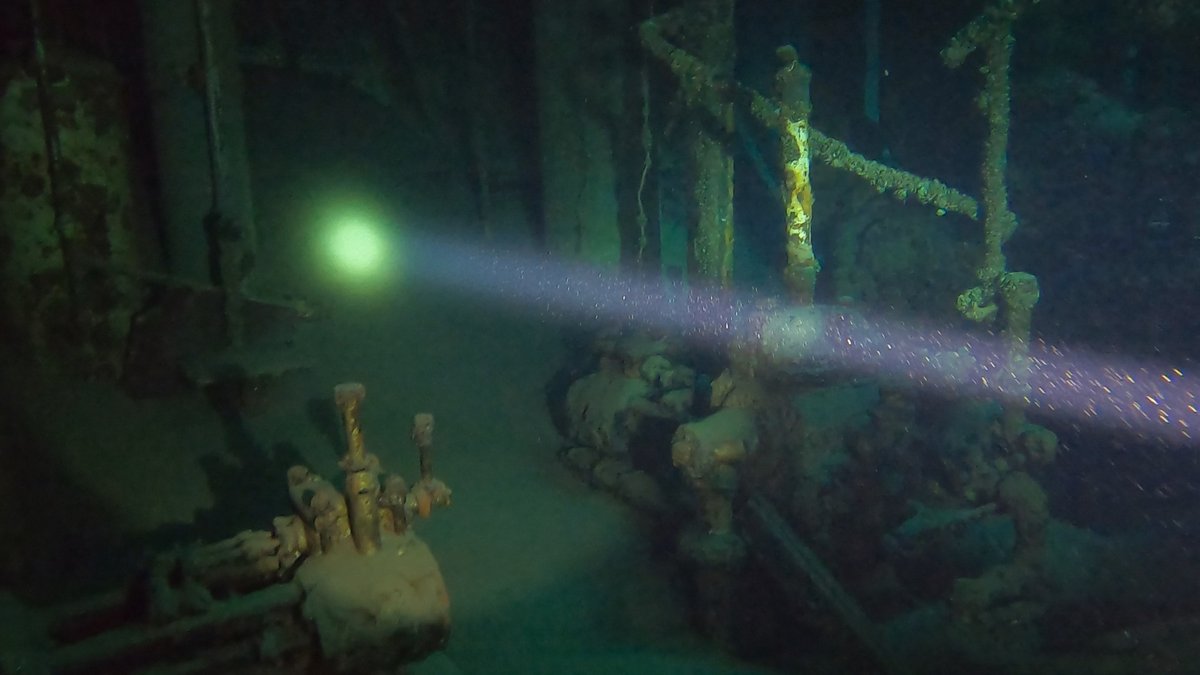
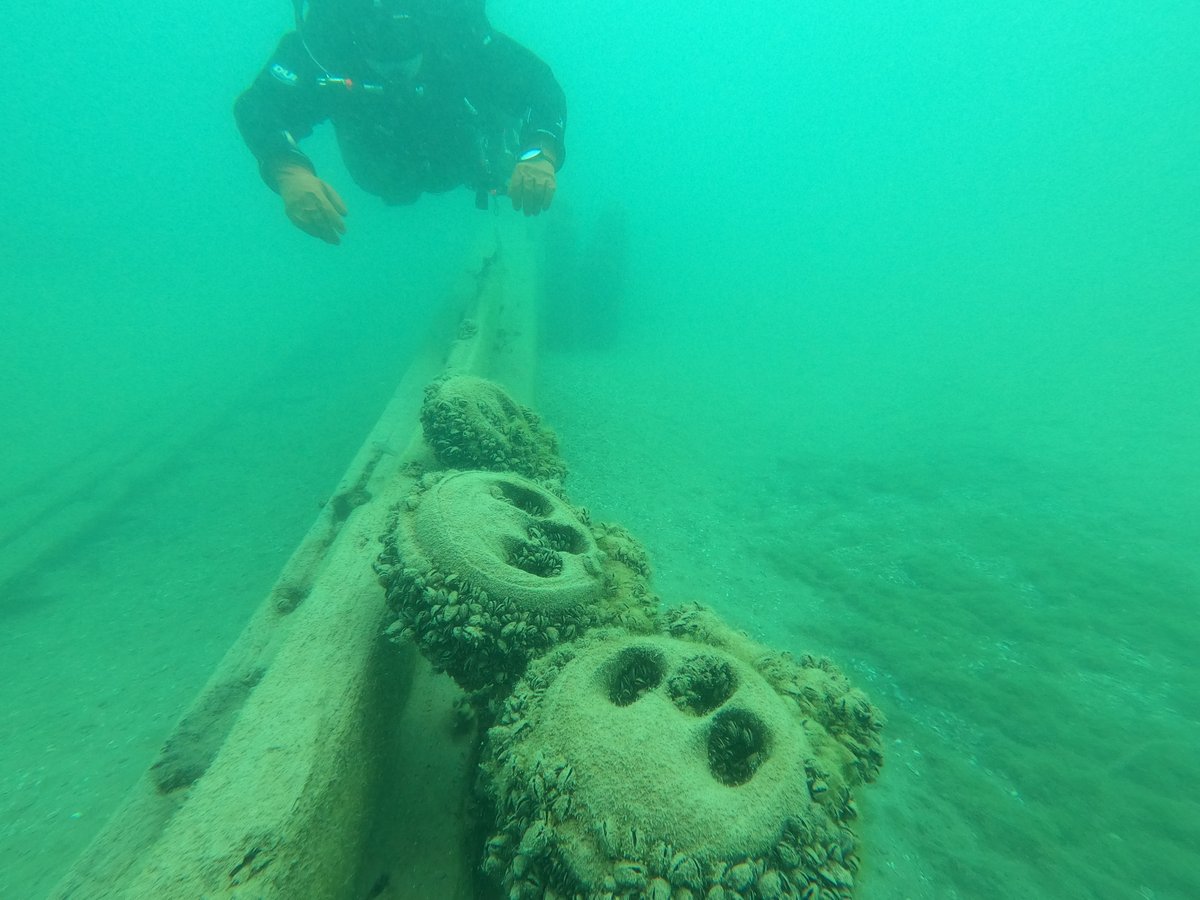
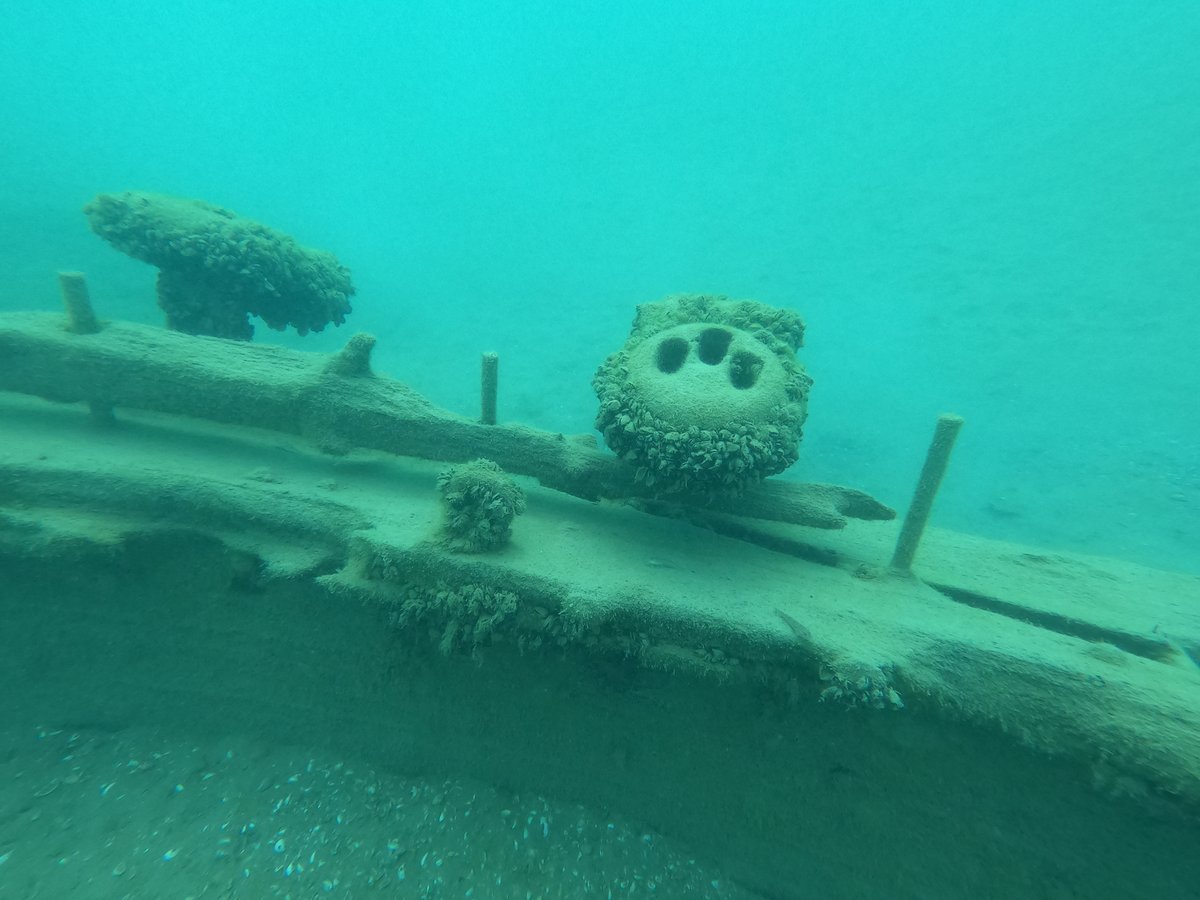
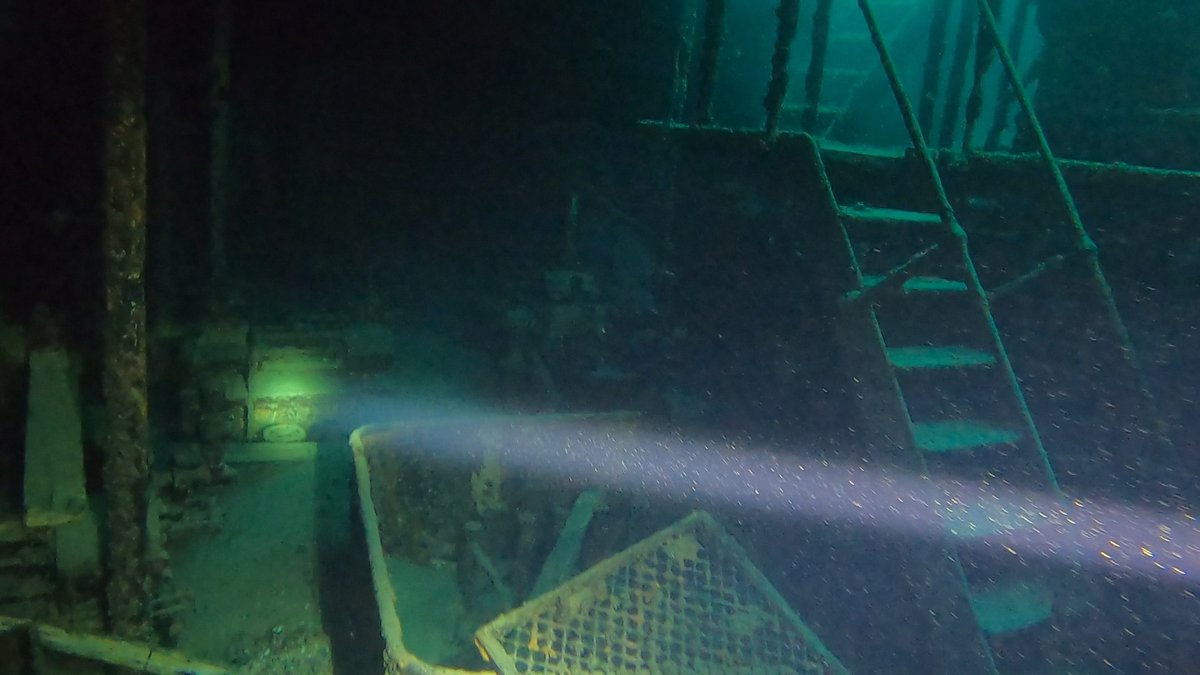
Kian dropped in at the midship ladder and swam it bow to stern. The hull is a gutted-out steel box, braced with heavy cross beams and columns, holding two drums roughly 5 ft in diameter and a structure still standing on the deck. The deck is flat apart from a small bulge and a circular cutout, consistent with the mount for a small crane arm, which is what puts this in the working-barge category rather than a simple towed hopper.

Research status

No match yet against any documented wreck. The “135” on the rear starboard side is the only marking found on either hull, and it is the strongest concrete lead we have.

HULL MARKING   135
Priority archival lead — Project Shipshape database, BGSU dredging-fleet records.
Unidentified · lead active
Photo library25 frames · 61 min bottom time
Site 02 · Second-ever visit

Keith’s Barge

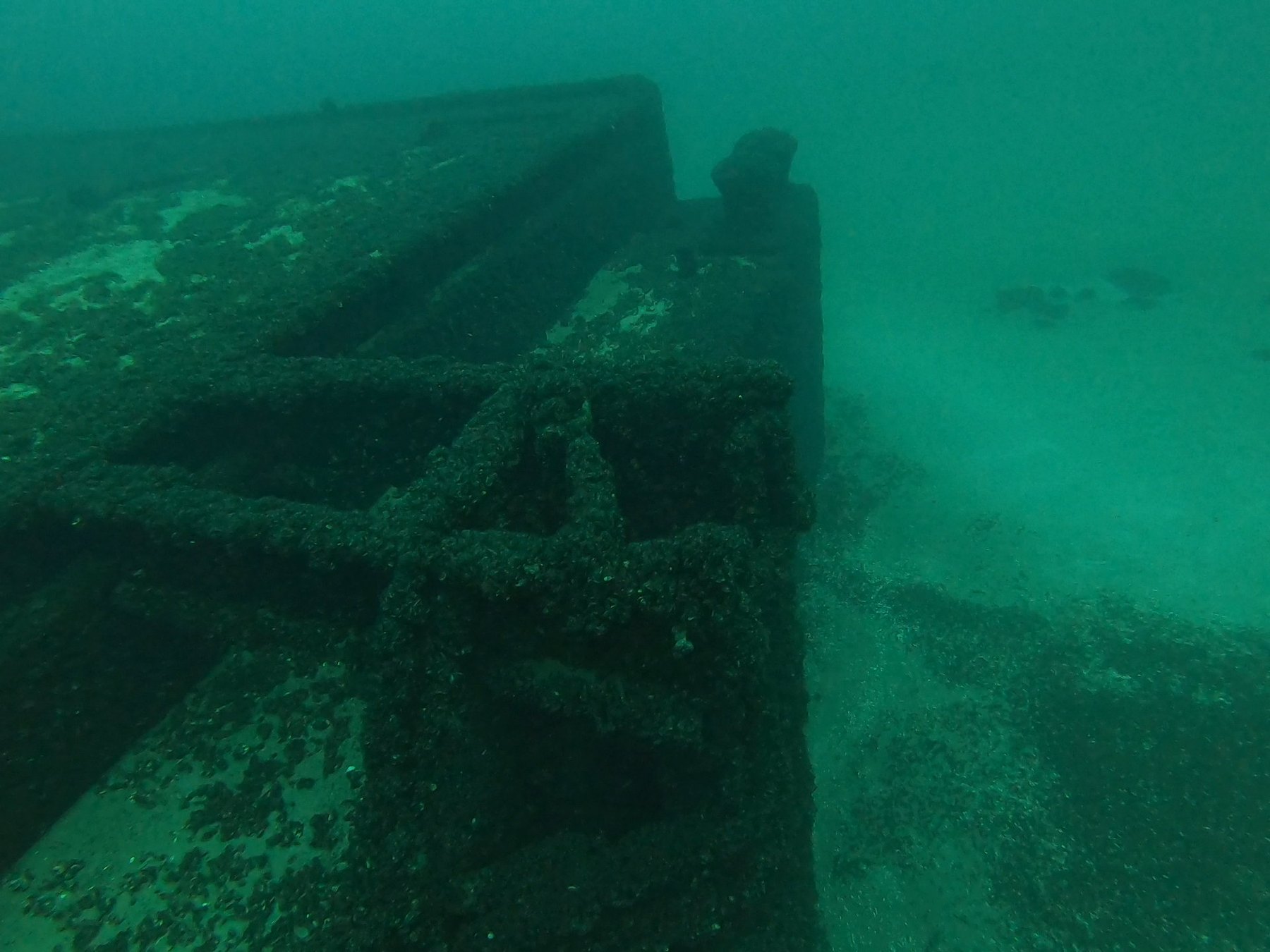
Steel-hulled multi-pocket bottom-dump hopper scow (mud scow), non-self-propelled. Lying fully inverted.

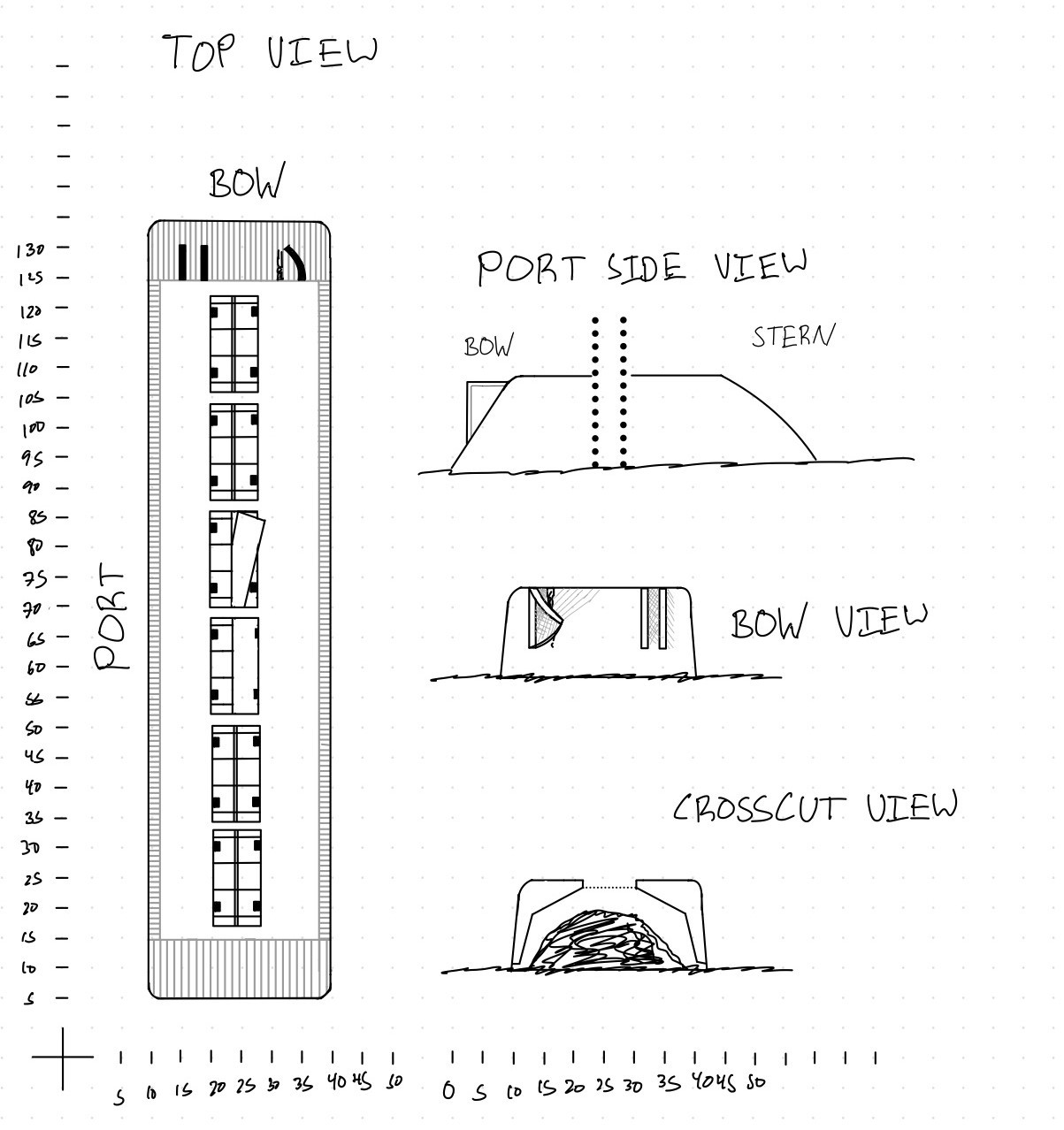
Hand-drawn survey schematic of Keith's Barge, showing top view, port side view, bow view, and a crosscut
Top view runs to 130 ft by roughly 35 ft, with six hopper pockets down the centreline and their double doors drawn in. The port elevation gives the trapezoid profile; the crosscut shows how far silt has filled the pockets.
Type
Bottom-dump hopper scow (mud scow)
Dimensions
~130 × 35 × 20 ft
Depth
~115 ft, hull tops out at 95 ft
Orientation
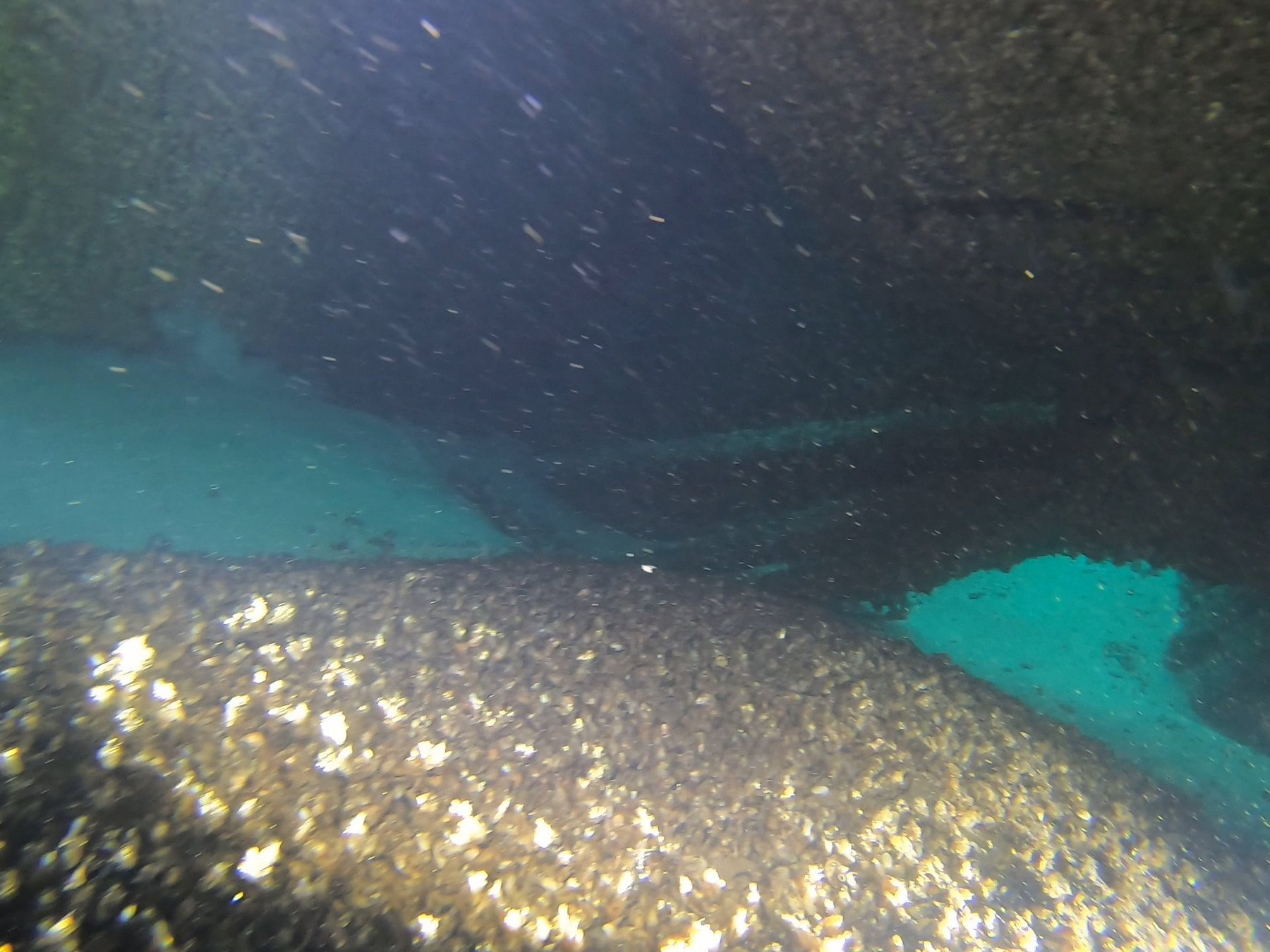
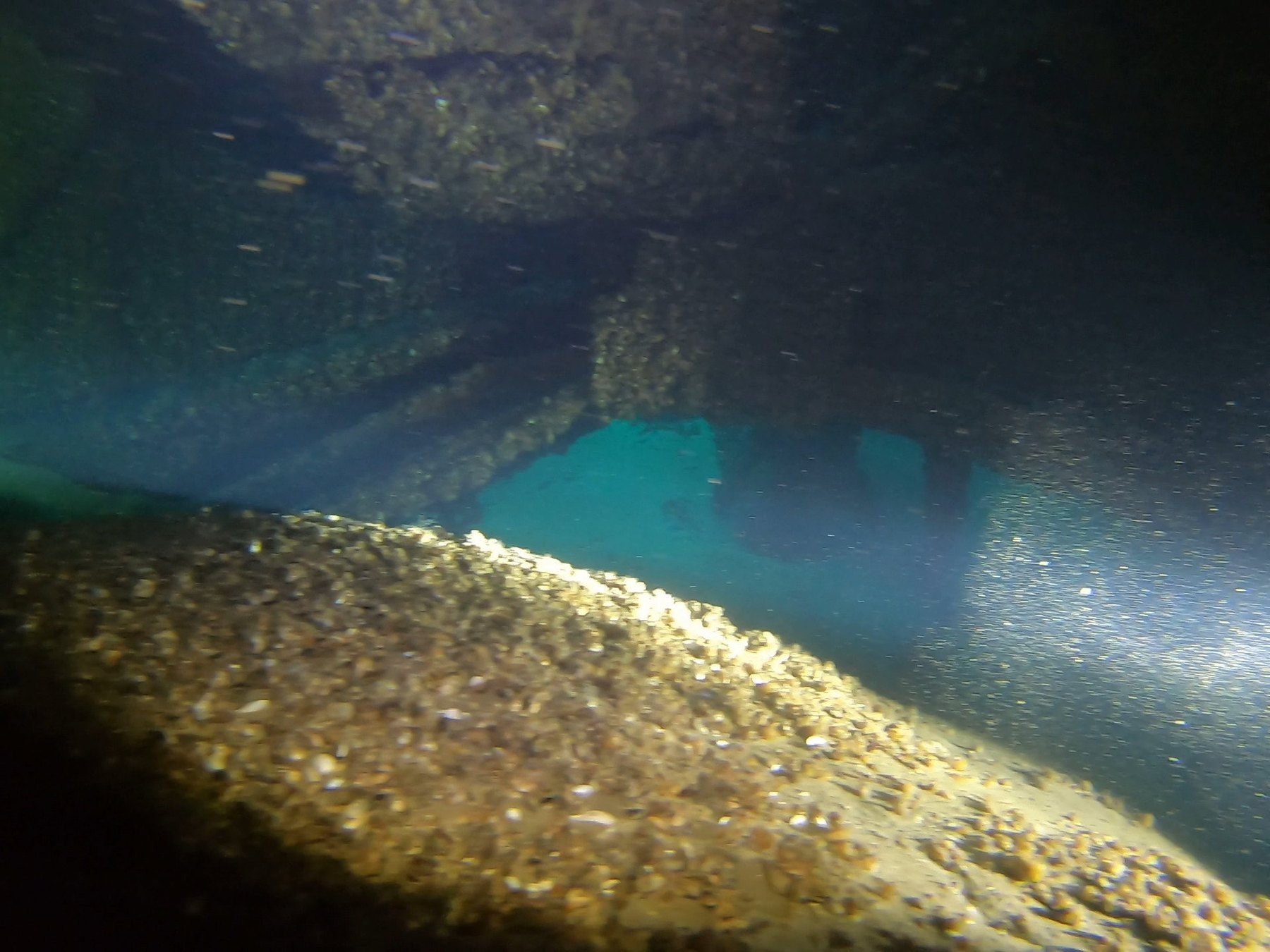
Upside down, swim-through beneath the hull
Hull
Riveted steel — pre-1950s
Pockets
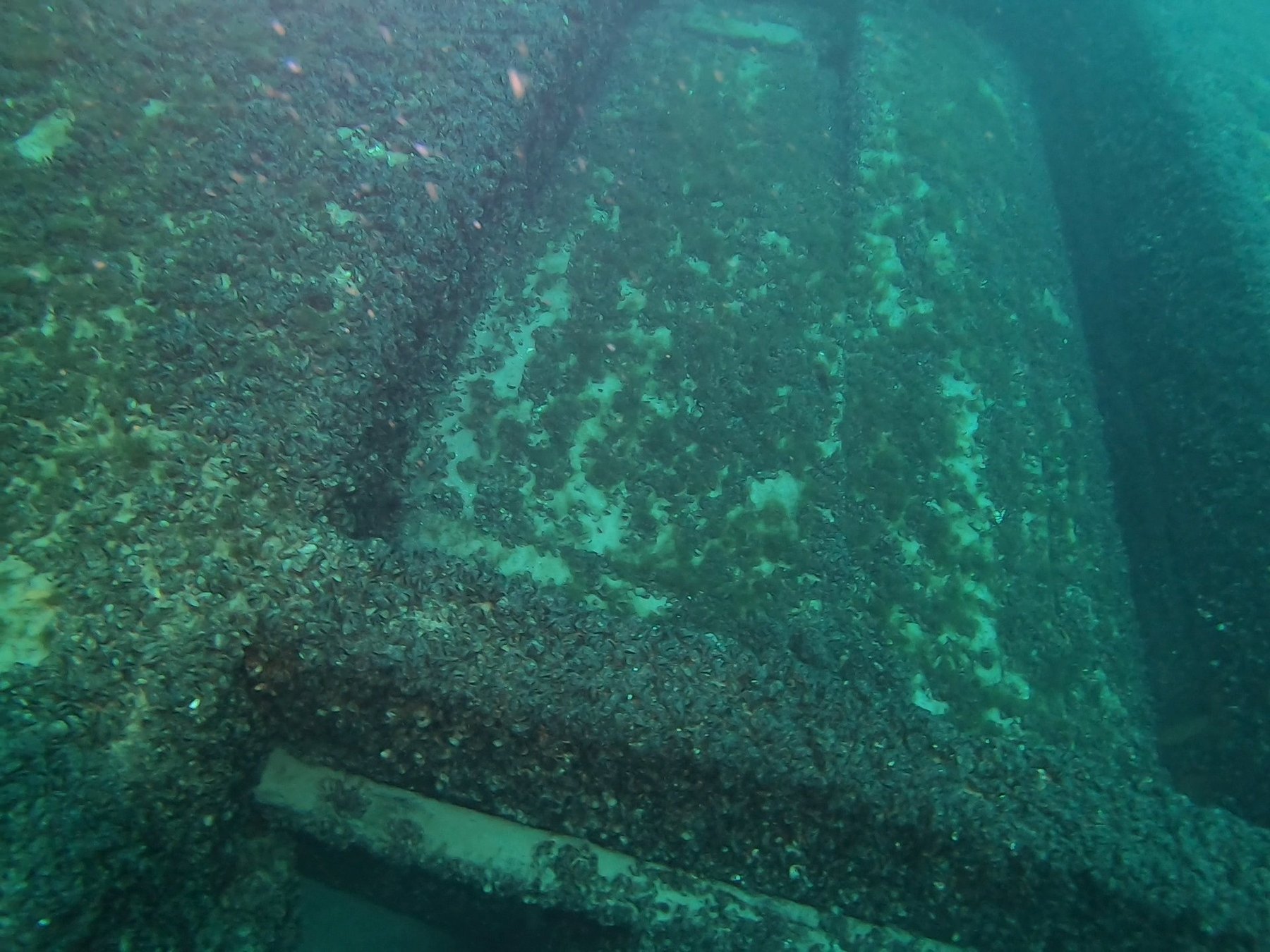
6, each with wood-faced double doors
Markings
None found
The find

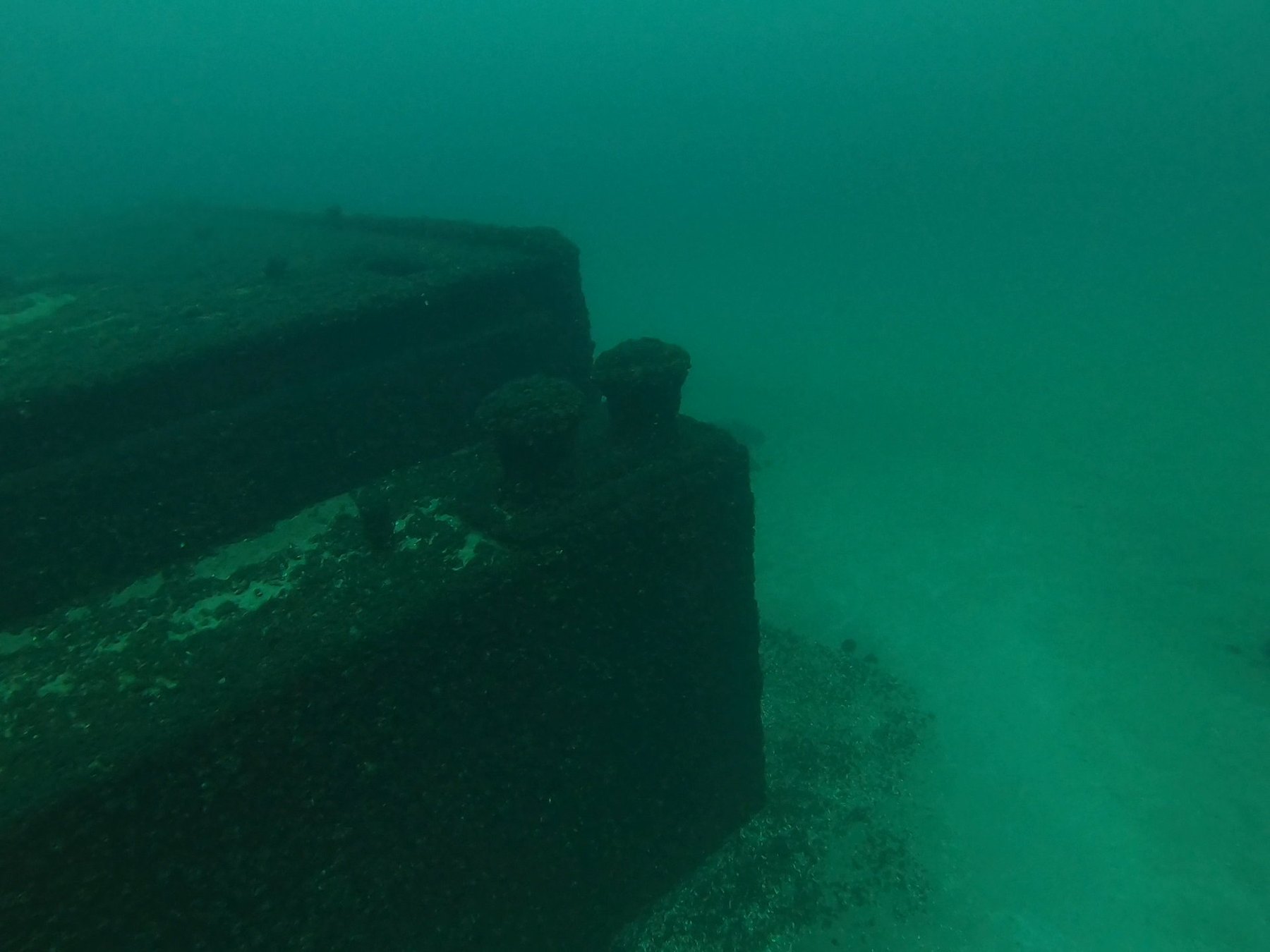
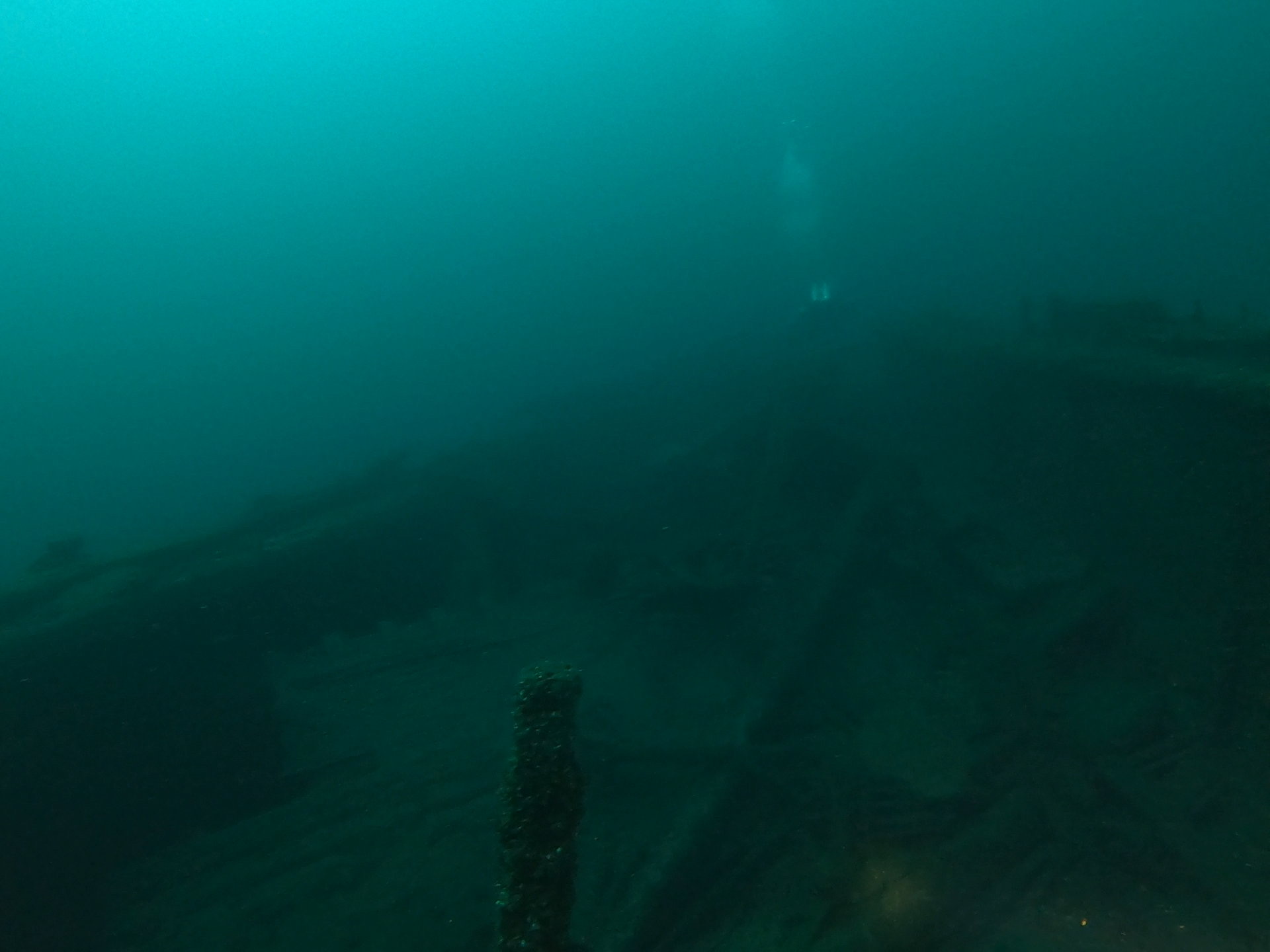
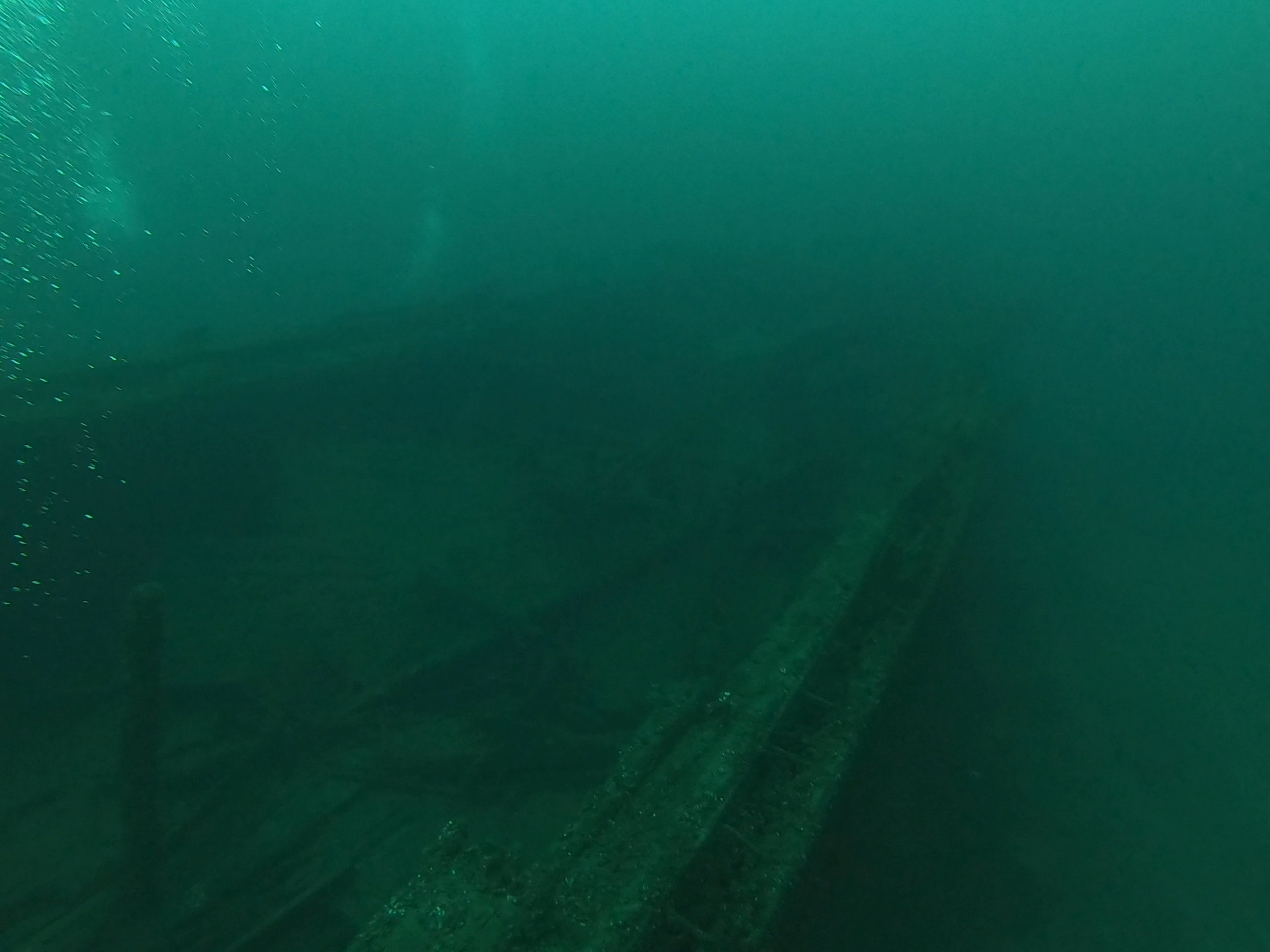
The prize of the day. Before this dive the wreck had been seen by exactly one person. Kian is the first to see it in its entirety, measure it, sketch it, and penetrate it.

Inside

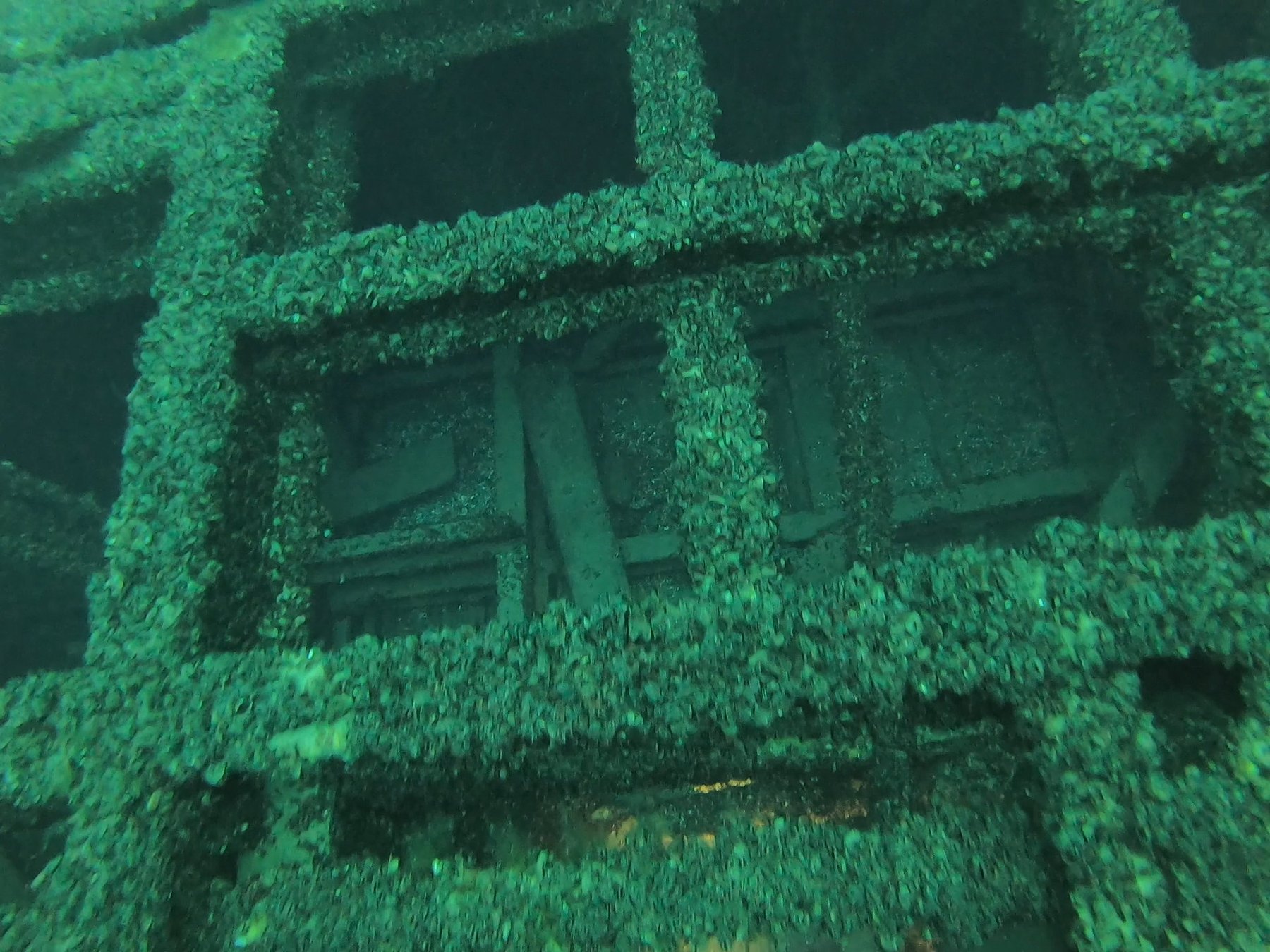
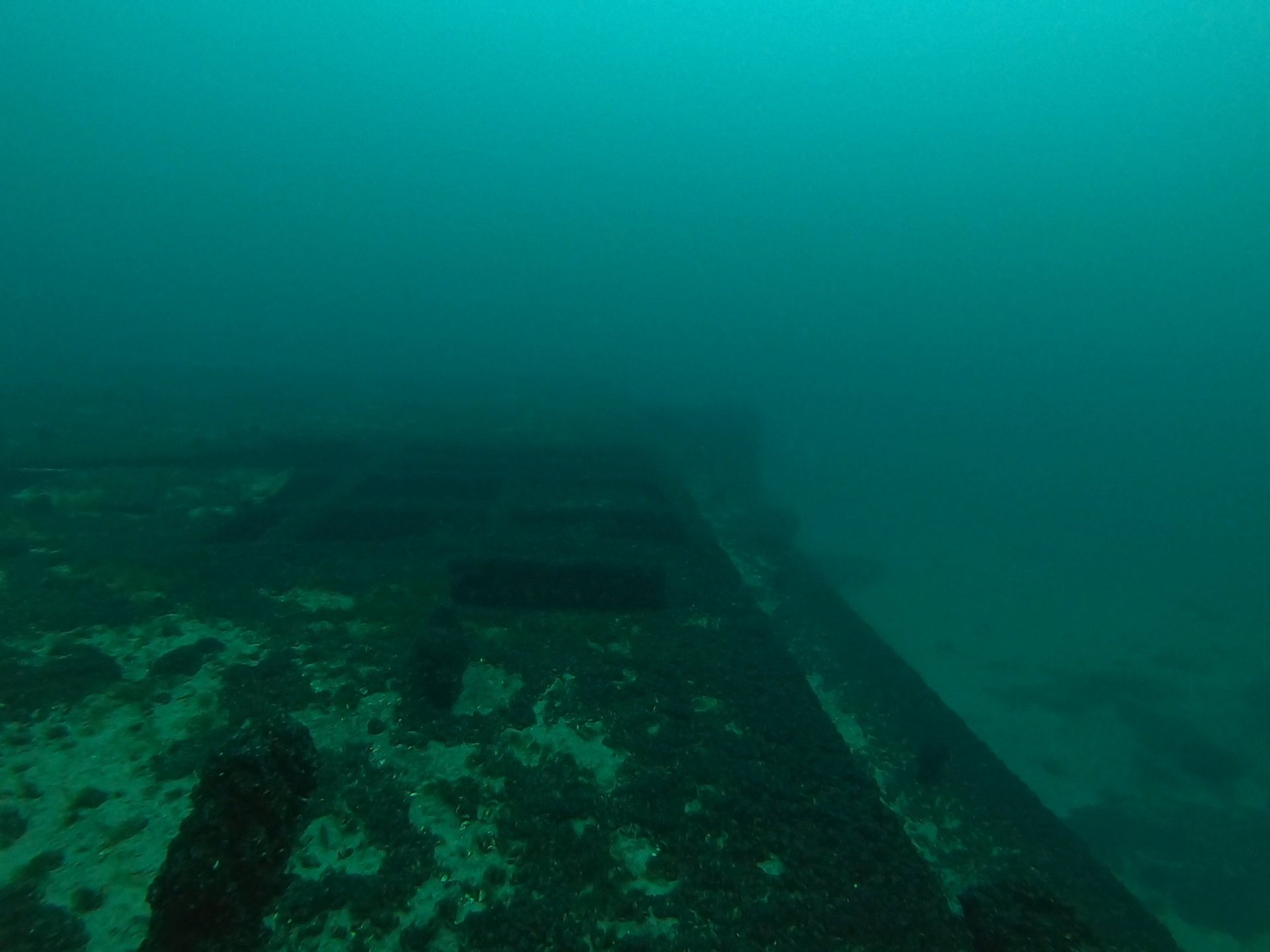
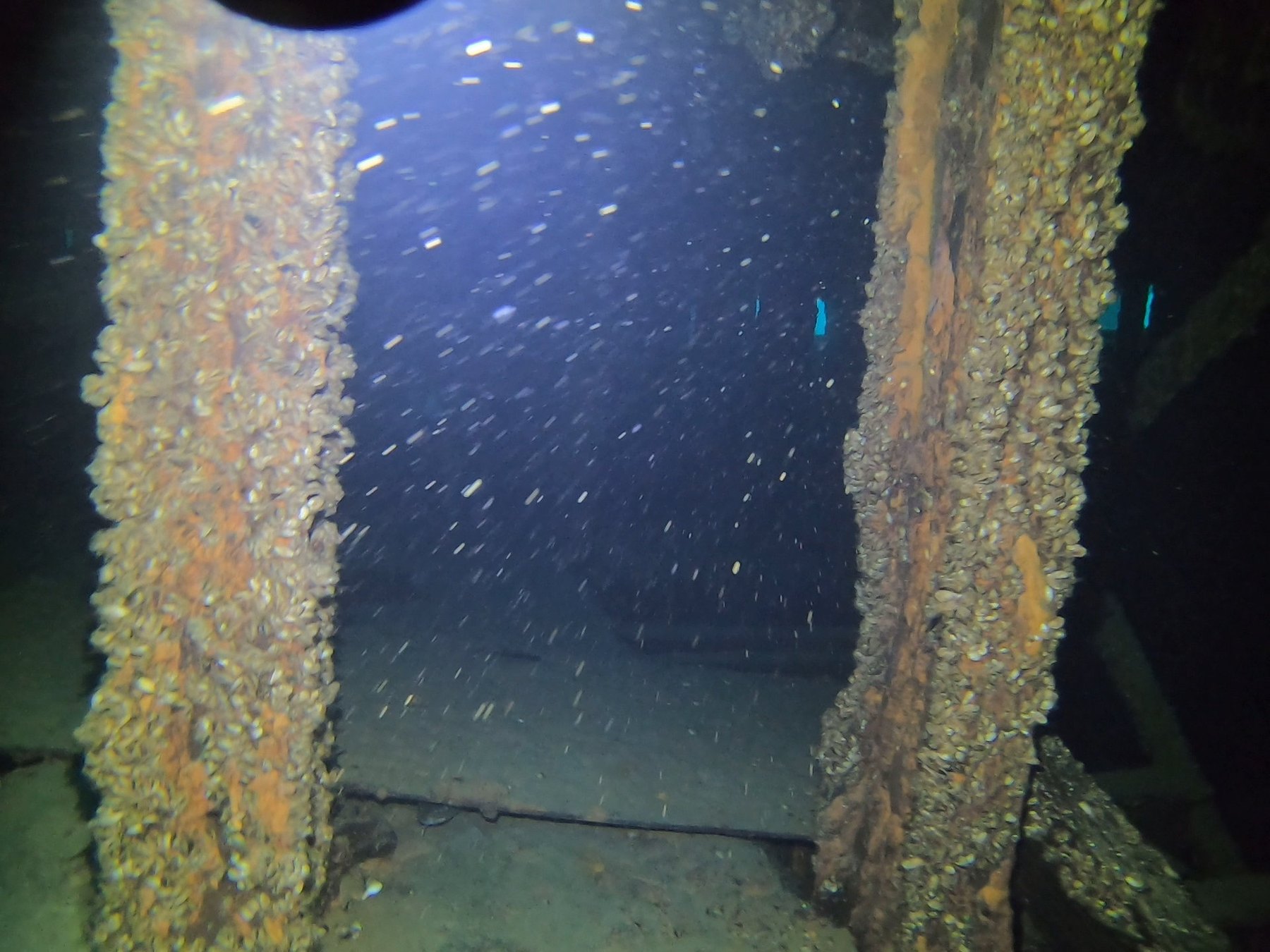
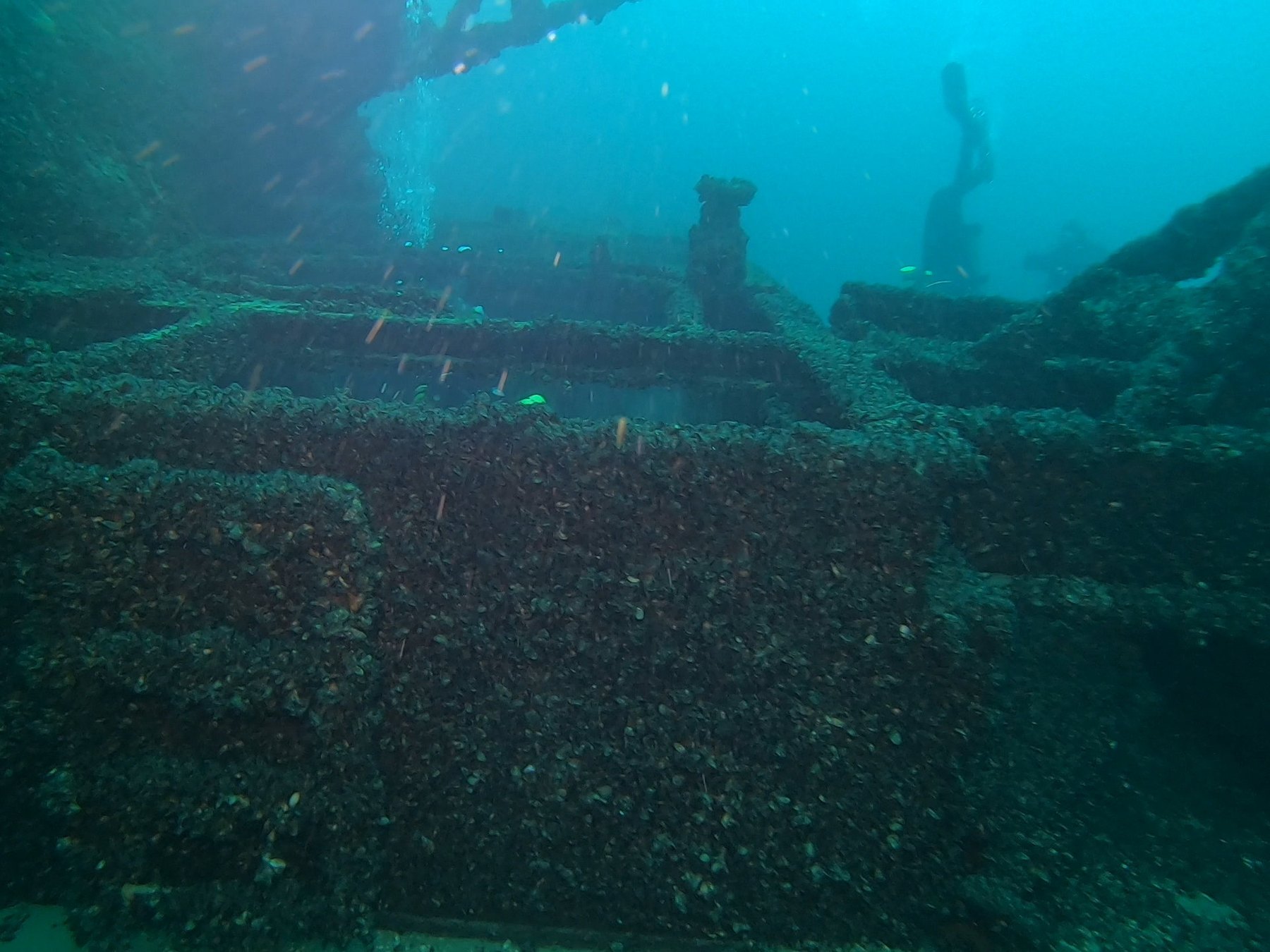
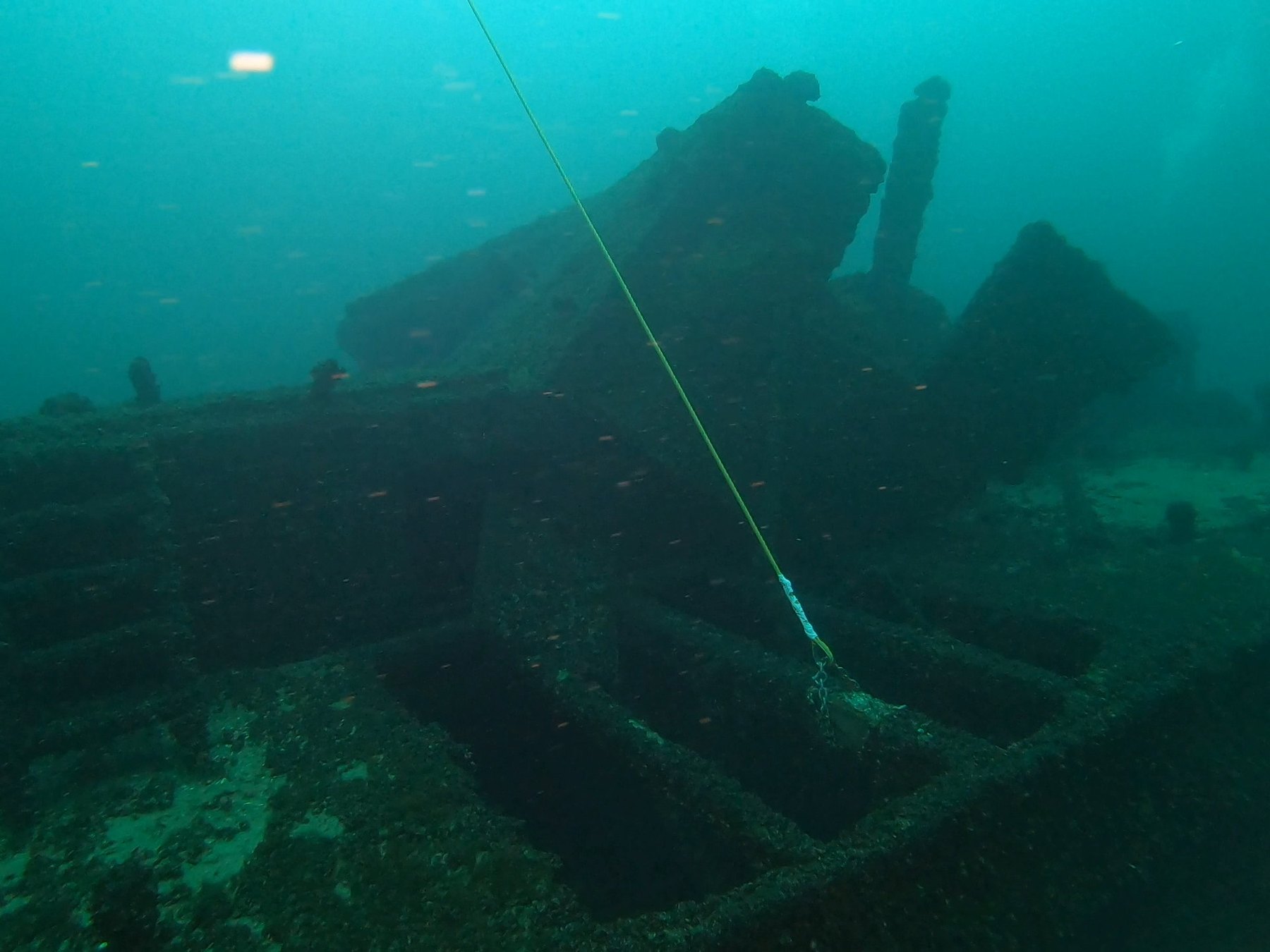
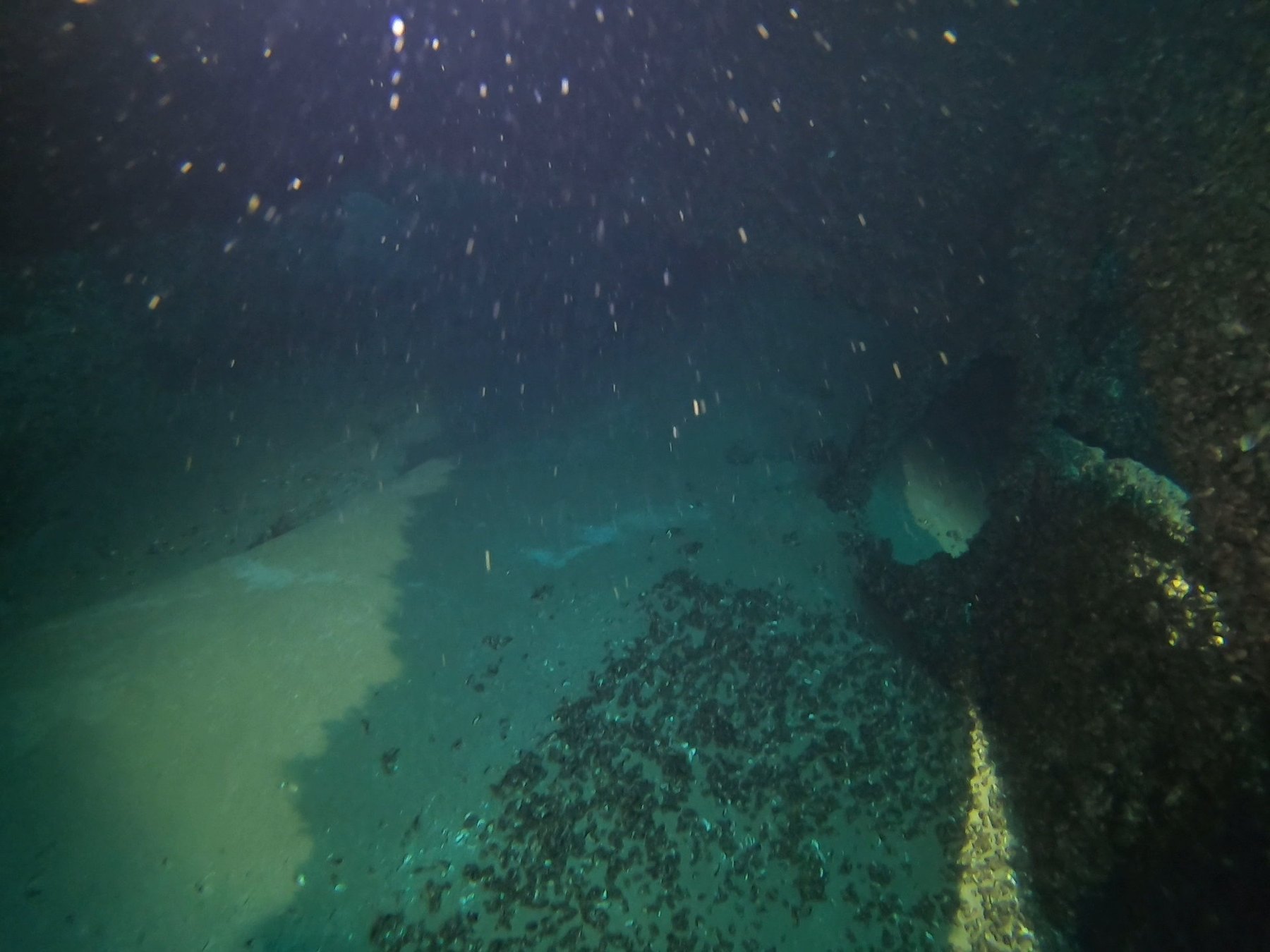
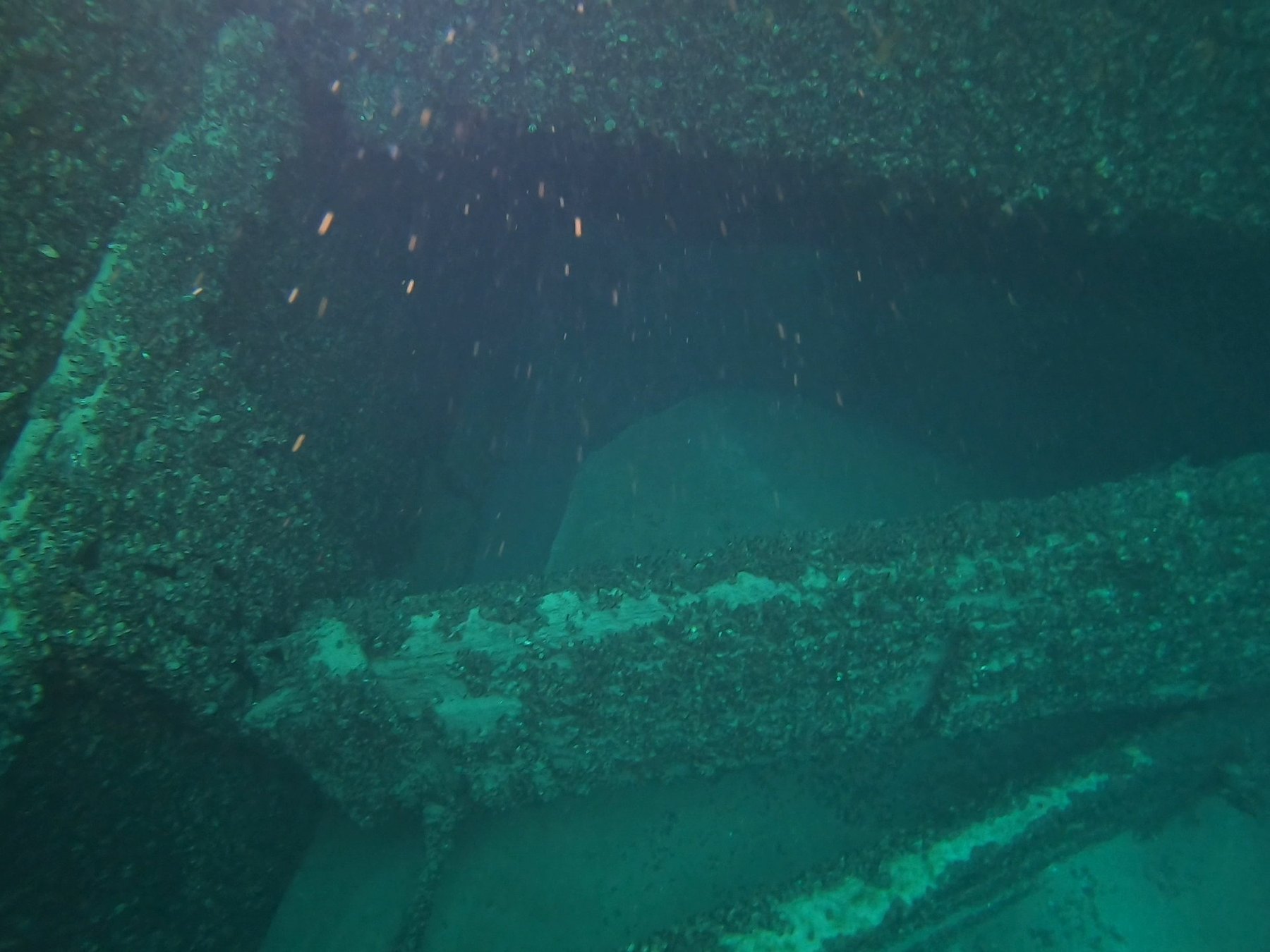
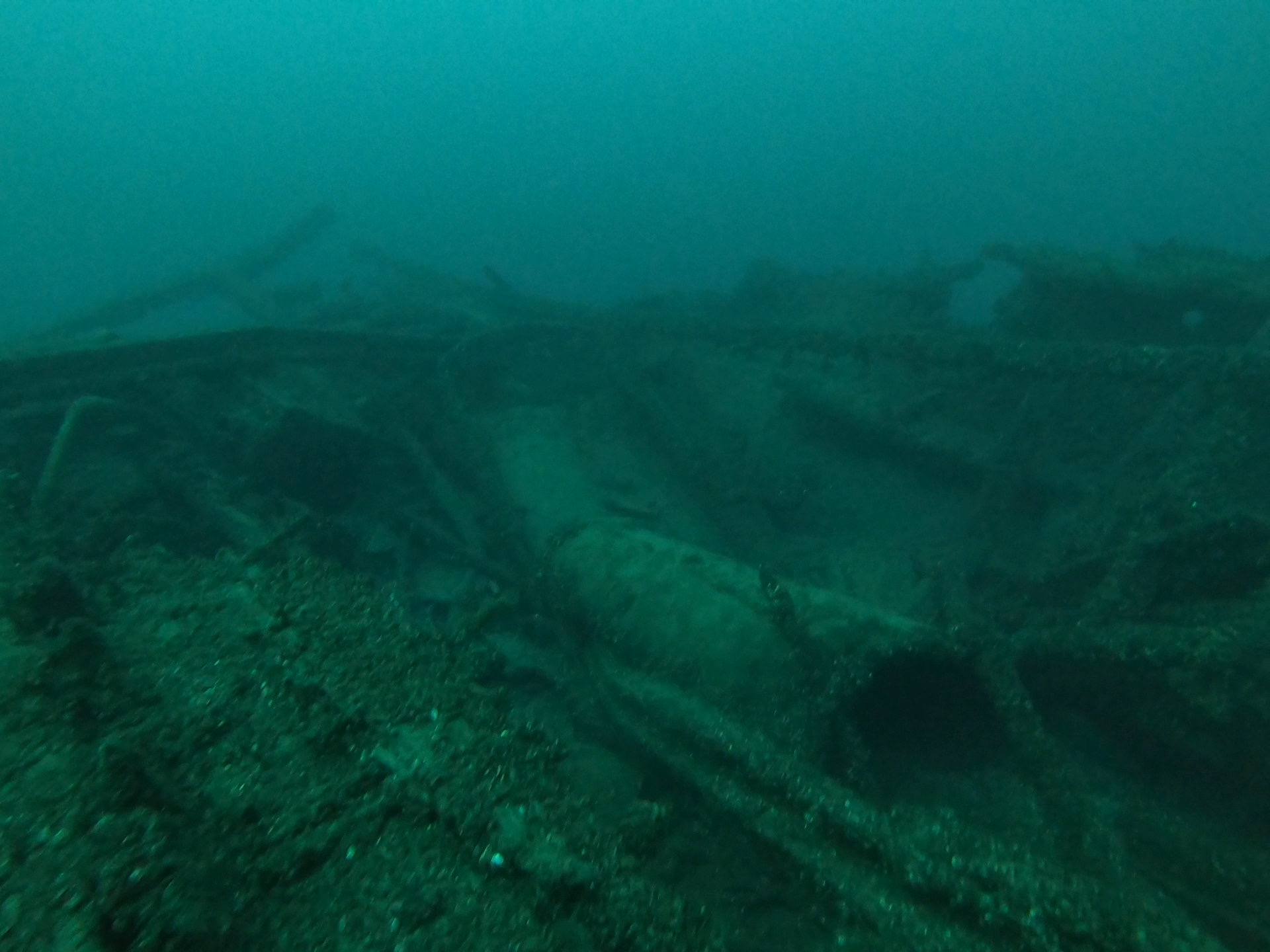
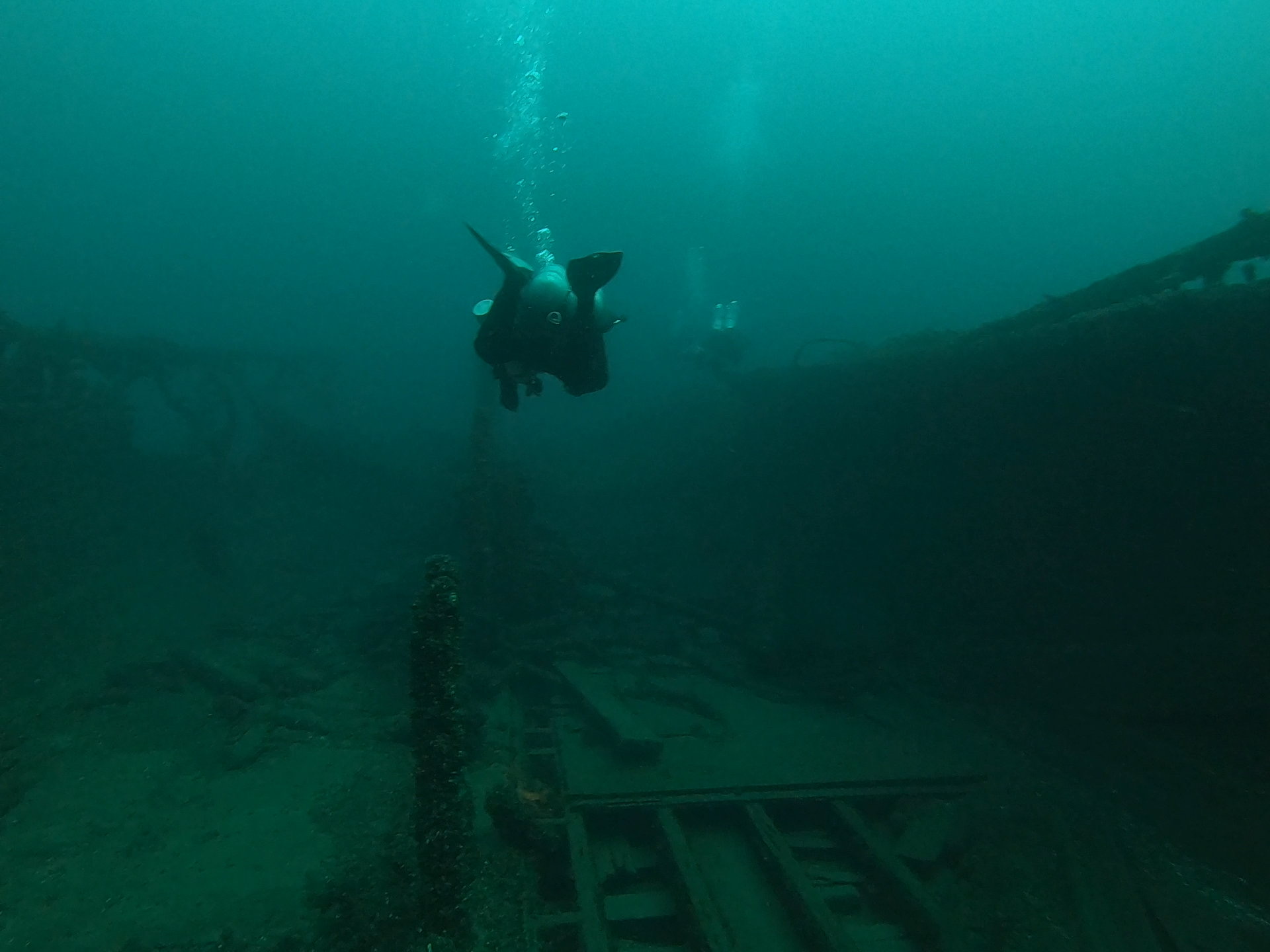
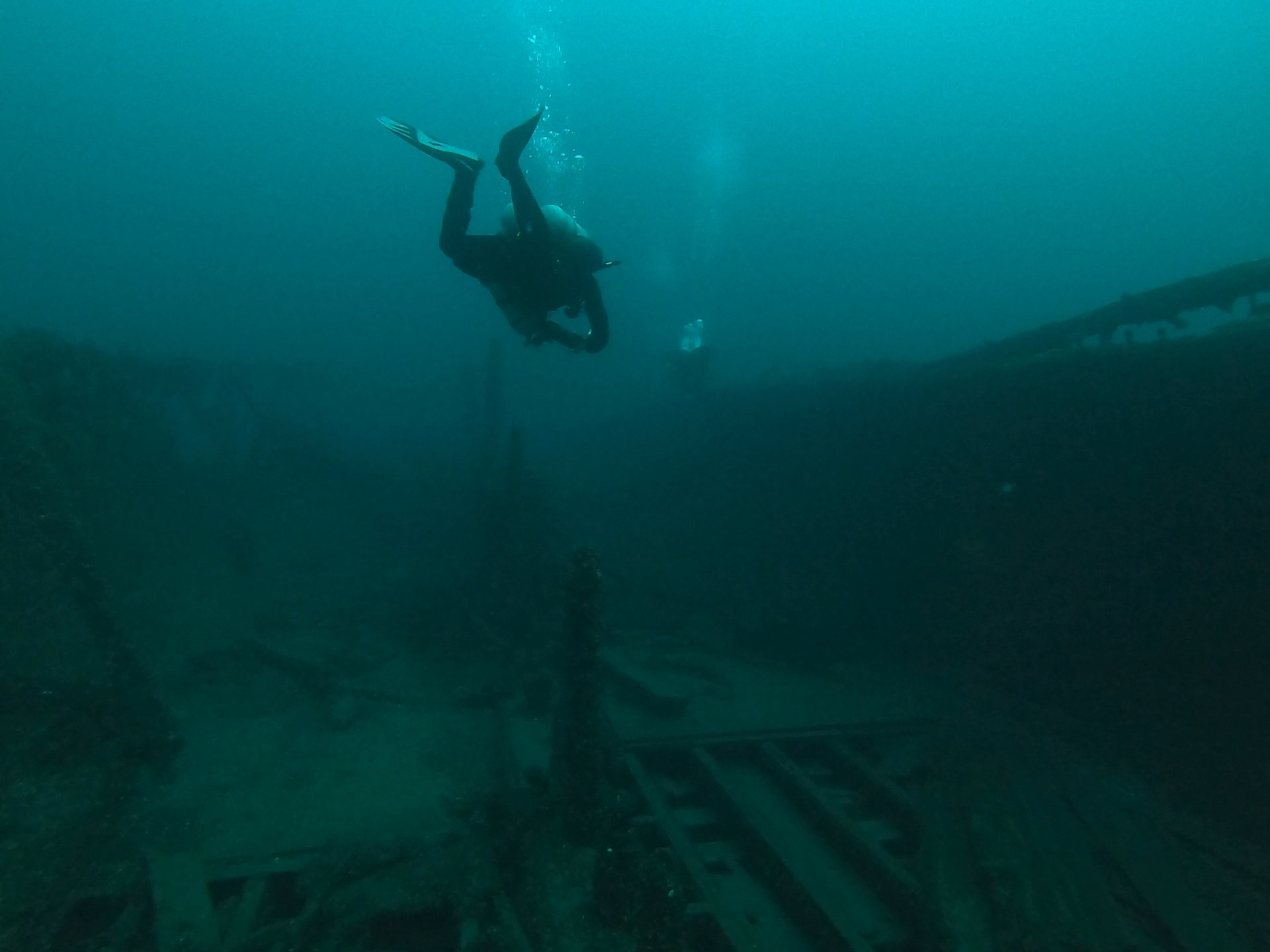
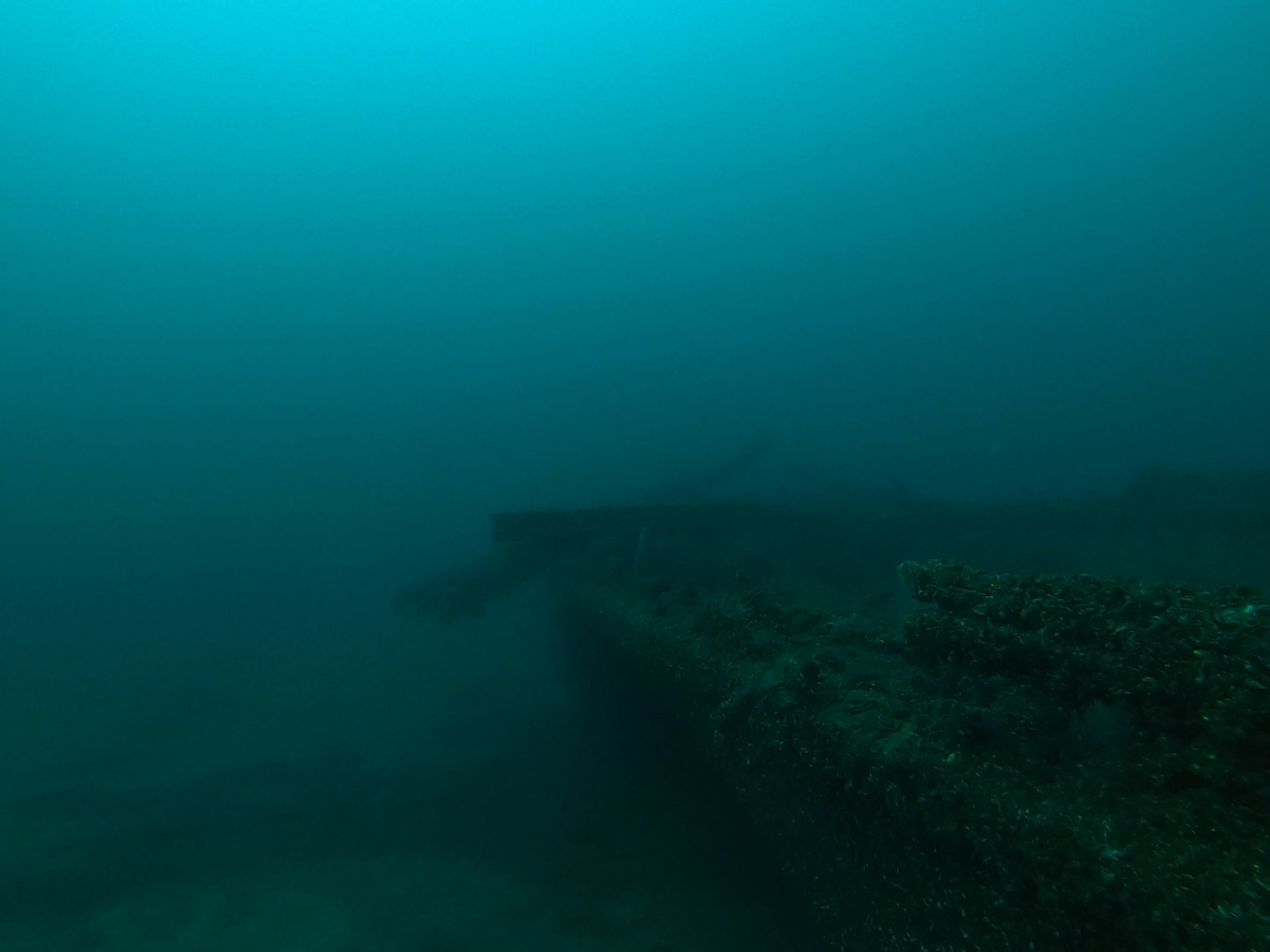
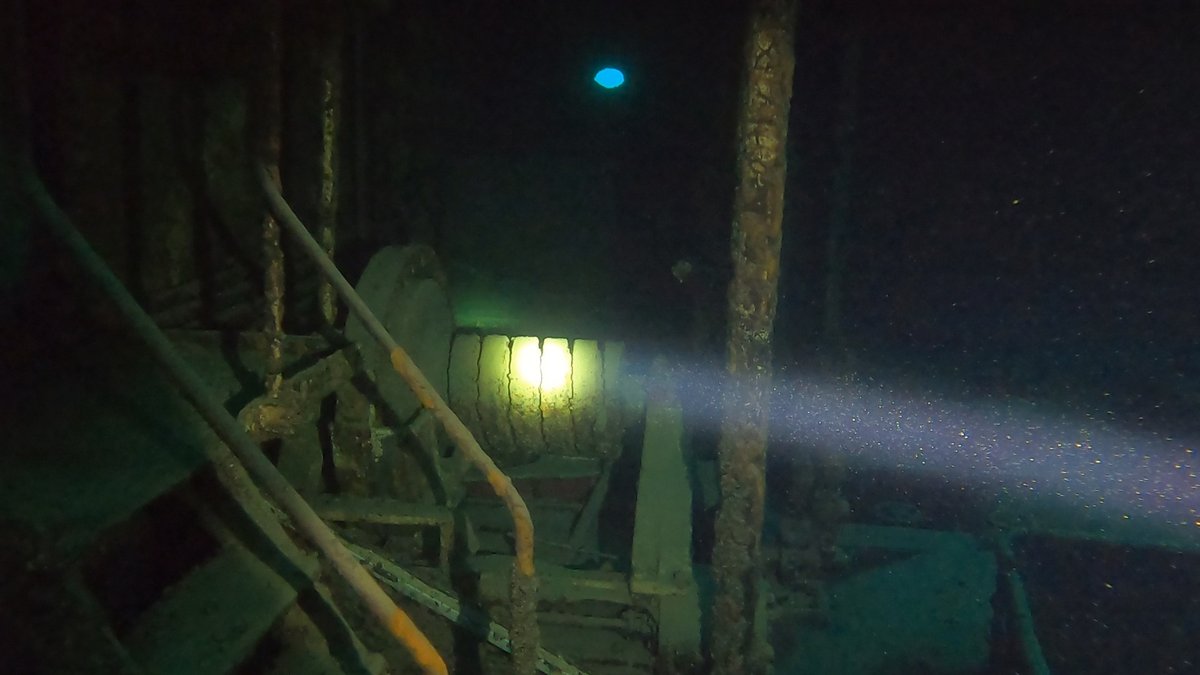
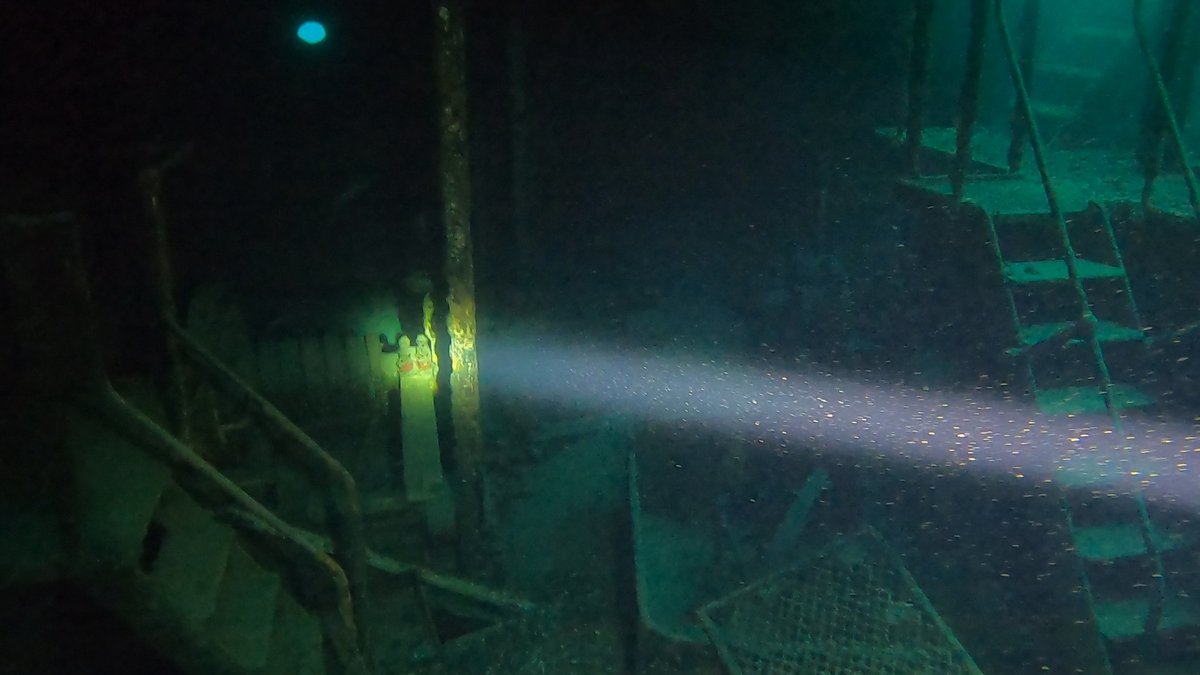
The hull holds six independent hopper pockets, each with its own pair of wood-faced bottom doors around 8 × 15 ft, worked by a chain-and-ratchet mechanism. Because the barge landed inverted, those bottom doors now open upward. The pockets are choked with silt but still swimmable, and they exit to open water on the far side, along with a sand-and-silt swim-through running beneath the hull itself.

The stern carries a push-knee notch with vertical support knees, the fitting a pusher tug would have seated into. This barge never moved under its own power.

Research status

No match in the Wisconsin Historical Society or NOAA Thunder Bay databases, which makes this a genuinely undocumented find. The door mechanism is a close match to patent US806807A, filed in 1905 by Frank Hayes of Superior, Wisconsin and William Clifford of Duluth, Minnesota, tying the design lineage to the western Great Lakes dredging industry. That mechanism stayed standard into the 1950s and ’60s under later Wiley Mfg. Co. patents, though, so it dates the hull no more tightly than the rivets already do.

Archival outreach is out to the Wisconsin Marine Historical Society (Project Shipshape) and to BGSU’s Historical Collections of the Great Lakes, specifically the Great Lakes Dredge & Dock Co. records.

Unidentified · outreach pending
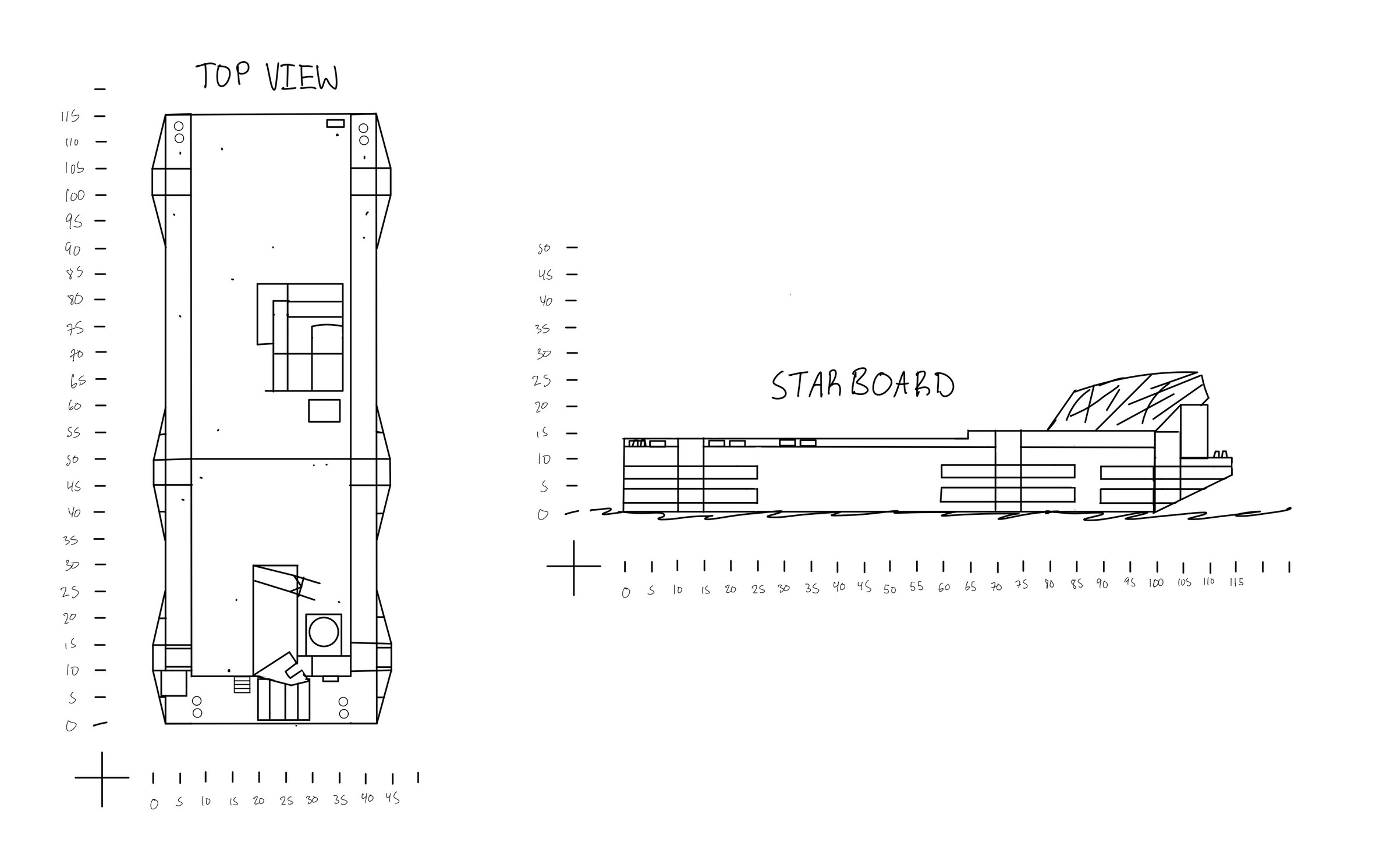
Photo library10 frames · 50 min bottom time

Why neither one has a name

Both hulls are riveted steel, which brackets construction to before roughly 1950, when welding displaced riveting in shipyard practice. Beyond that the two are different animals: Keith’s is a bottom-dump hopper scow built to carry dredge spoil and drop it through the floor, while Cody’s is a flat-decked work barge that carried a crane and standing deck structure. What they share is a job description, both were unpowered hulls in the Great Lakes dredging and marine-construction trade, towed or pushed where they were needed.
Neither wreck carries a plaque, papers, or any other identifying mark. Everything was apparently stripped before they went down, and on Keith’s Barge there is nothing left at all. Kian’s working theory is that this stretch of lakebed served as a dumping ground, where companies scuttled worn-out barges rather than pay to have them properly broken up. The practice has precedent on the Great Lakes; the barge EMBA was deliberately scuttled off Milwaukee in 1932 after 42 years of service. Stripped identification is the detail that stands out, and it is what keeps both of these hulls unnamed.

Latest Adventure

An unknown wooden steamer at 150–160 ft.

Kian’s newest wreck is a steamer built entirely of wood, lying at 150–160 ft with very little information about it anywhere. It has no name yet.

Site 03 · Latest adventure

Bud’s Steamer

Type
Steamer
Depth
150–160 ft
Hull
All wood
Identity
Unidentified — working name Bud’s Steamer
Records
Very little information found

It lies well below the barges and is a different kind of site altogether: no riveted steel, just timber.

Research has turned up very little so far.

Unidentified · little on record
By the numbers

Twelve years of logbook entries, plotted out.

Every number below comes from the logbook Kian has kept for the last twelve years: depths, durations, and sites, as recorded.

Dives per year

All 231 dives, including those logged on paper before the switch to a dive computer. One quiet year in there, 2015, everything else, steady growth.
Certifications

The story

How a quarry checkout dive turned into wreck penetration on trimix.

2014
May · age 10
Turkey Ridge, Iowa
Open Water, Iowa quarry
The first entries in the logbook aren't glamorous, two check-out dives at Turkey Ridge in Iowa, twenty minutes each, twenty feet down. Two days later, PADI Open Water certified. Everything else traces back to this.
PADI Open Water
2014
September
Bonaire
A family trip to Bonaire
Buddy's Reef, Salt Pier, Hilma Hooker, Karpata, the first real ocean diving, on a family trip that would turn into a habit. Bonaire ended up being the most-logged destination in the whole book.
2018
Age 14
Lake Michigan
Dry suit, nitrox, and doubles in Lake Michigan
Nitrox certified in April, dry suit in July, and by August, in the water on the Prins Willem V and the 906 Dredge, the first Lake Michigan wrecks in the log. Cold, dark, freshwater diving is a different sport than Bonaire, and it's where the wreck habit started.
SSI NitroxSSI Dry Suit
2019
July
Cozumel, Mexico
Deep Diver
SDI Deep Diver certification, and the depths in the log start climbing past 120 feet. This is the year recreational diving stopped being the ceiling.
SDI Deep Diver
2019
Late in the year
Vortex Springs, FL
Sidemount and Advanced Open Water
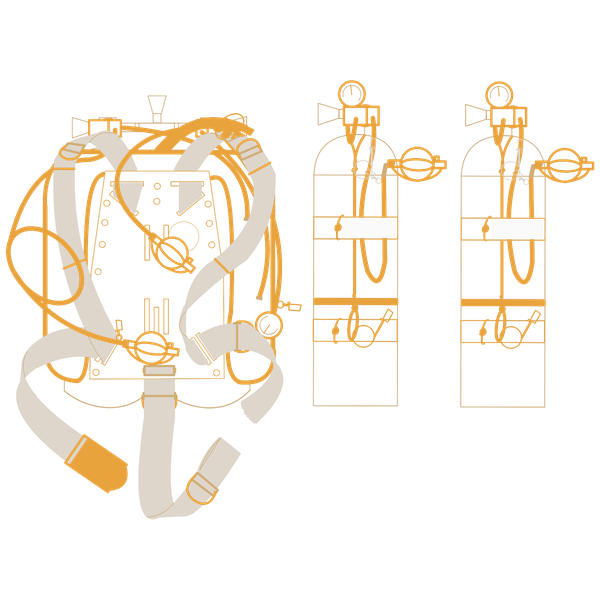
SDI Side Mount and Advanced Open Water, rounding out the recreational cert list. The sidemount configuration he would later take into the caves was in place years before the cave classes put it to real use.
SDI Side MountSDI Advanced Open Water
2022
March · senior year, spring break
Mexico
Cavern and cave, in one trip
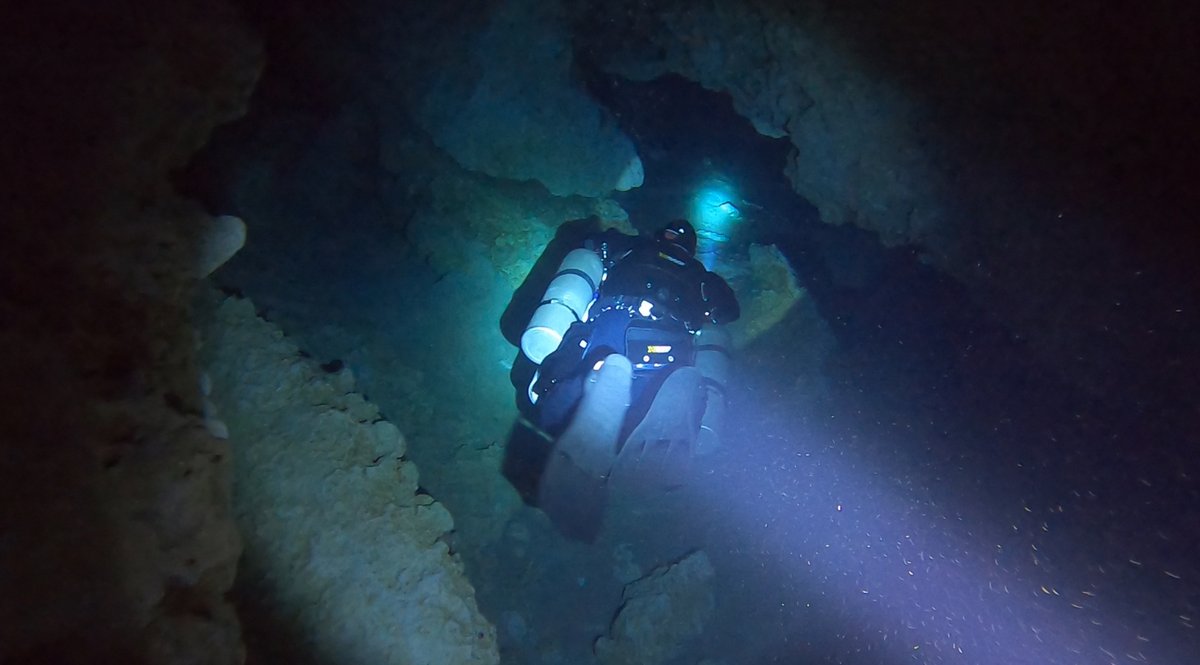
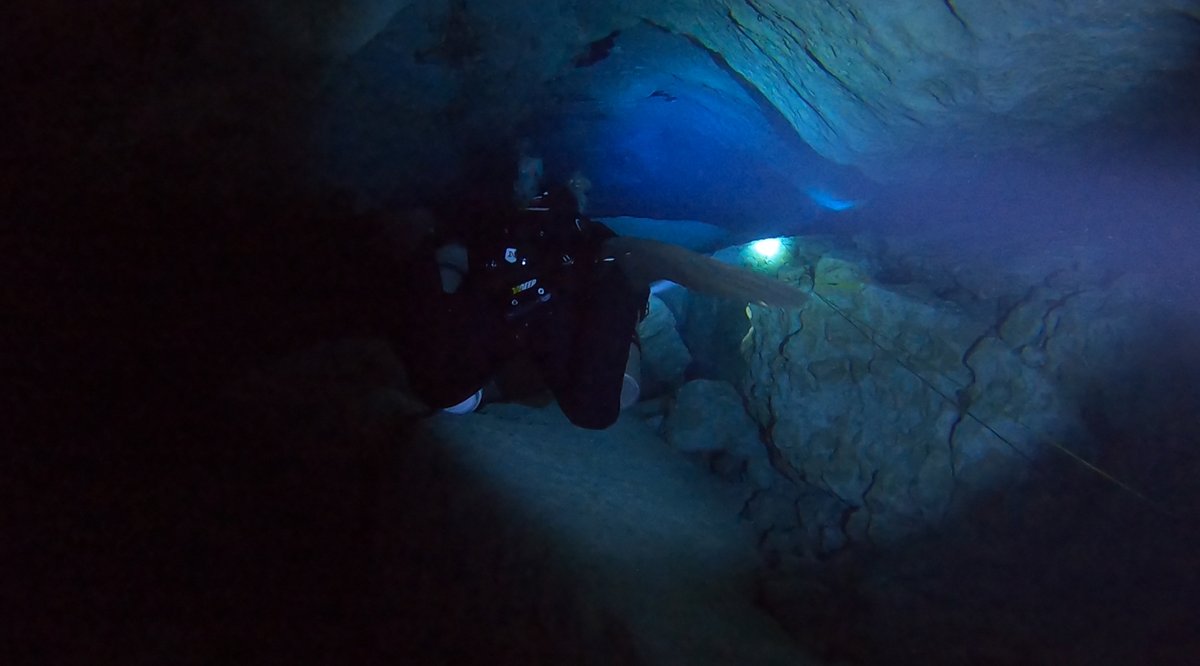
Instead of a normal senior spring break, a trip to Mexico for TDI Cavern Diver, Intro to Cave, and Intro to Tech, all three signed off the same week, and already diving in sidemount, the configuration he had certified on back in 2019. Mayan Blue, Crystal, the Car Wash, cenote diving that turned into the entry point for everything technical that followed.
TDI Cavern DiverTDI Intro to CaveTDI Intro to Tech
2023
July
Haigh Quarry
Helitrox and Decompression Procedures
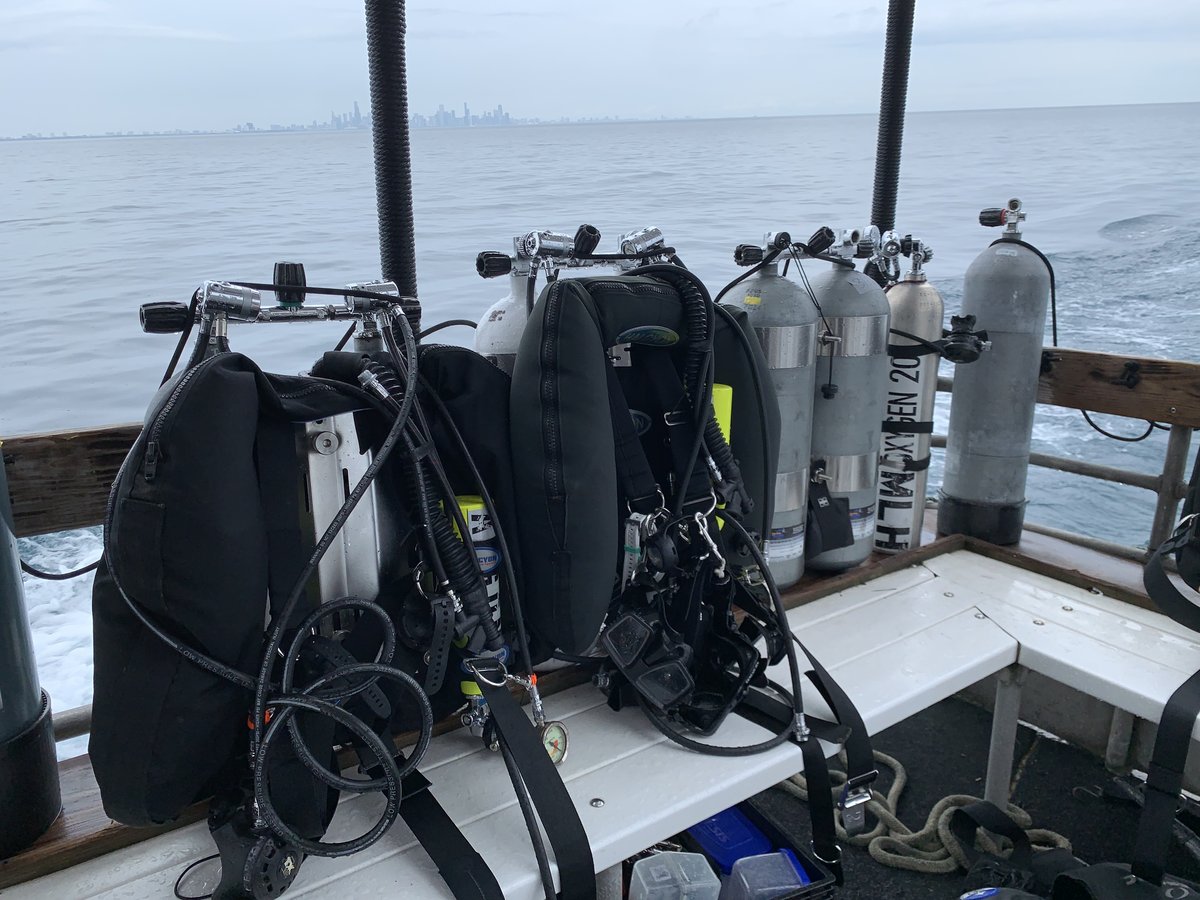
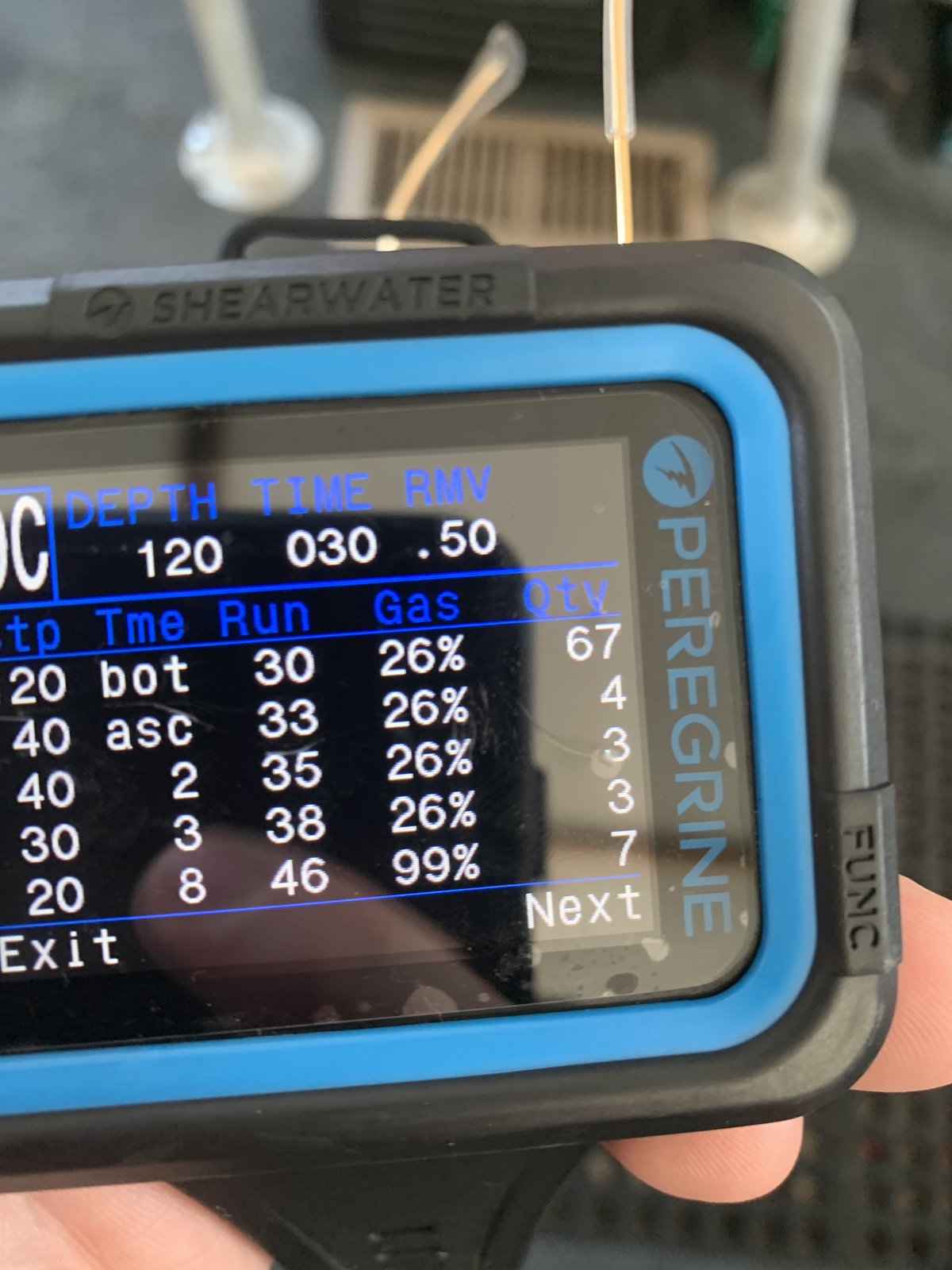
TDI Decompression Procedures Diver and Helitrox Diver, both signed off out of Haigh Quarry. The toolkit for real technical diving, planned staged decompression to 150 ft, and Nitrox/Helium mixes with up to 35% He, came together in one week.
TDI Decompression ProceduresTDI Helitrox
2023
Summers 2023 – 2026 · starting the first summer of college
Plainfield, Illinois
Working the counter at Dive Right In Scuba
Started working at Dive Right In Scuba, learning the trade from the inside, sales, regulator repair, and a shop's worth of instructors and mentors around every day.
2025
Jackson Blue, FL
Back to the caves, this time on sidemount
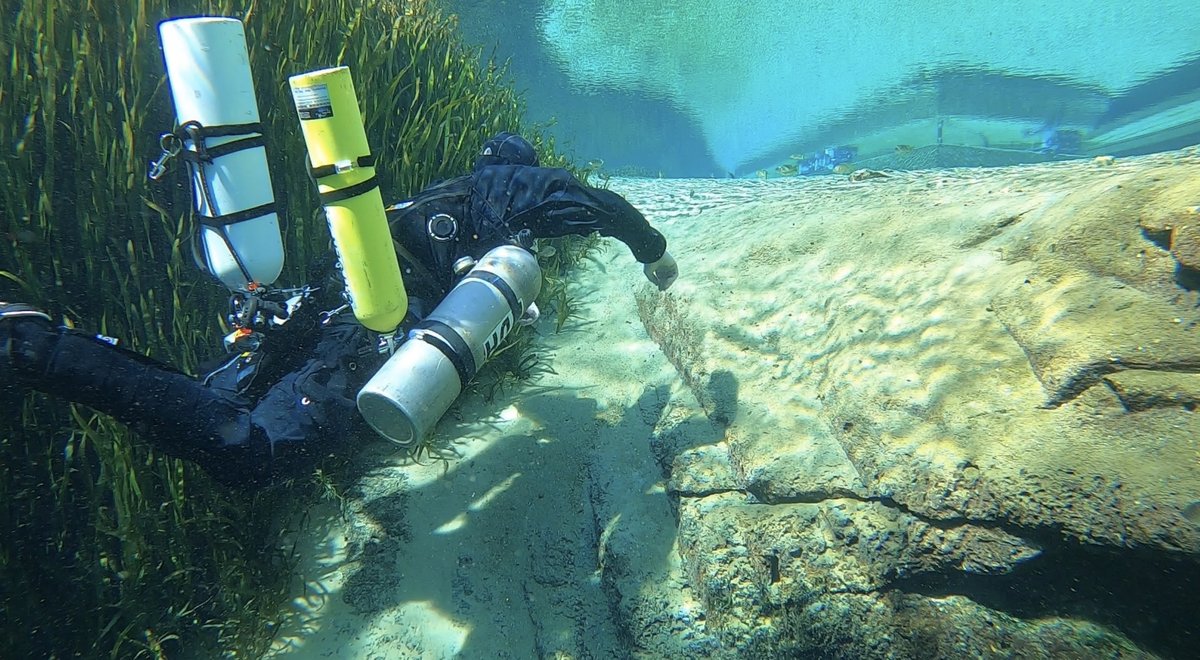
More trimix wreck dives on the Thomas Hume and the Mystery Barge through the summer, then a December trip to Jackson Blue in Florida, a return to cavern and cave, this time properly configured on sidemount, with stage bottles, laying line and running reels. Still exploring newly found wrecks in between.
SidemountCaveStage
2026
August
Lake Michigan
Surveying two unidentified barges
Back-to-back staged-decompression dives on Keith's and Cody's barges, setting the mooring, then working solo with a knotted spool to measure, sketch, and penetrate both wrecks. Keith's had been seen by one person before; this was the first full survey of it. Both hulls are riveted steel, putting construction before roughly 1950, and neither matches anything in the databases searched so far.
SurveyPenetrationDeco
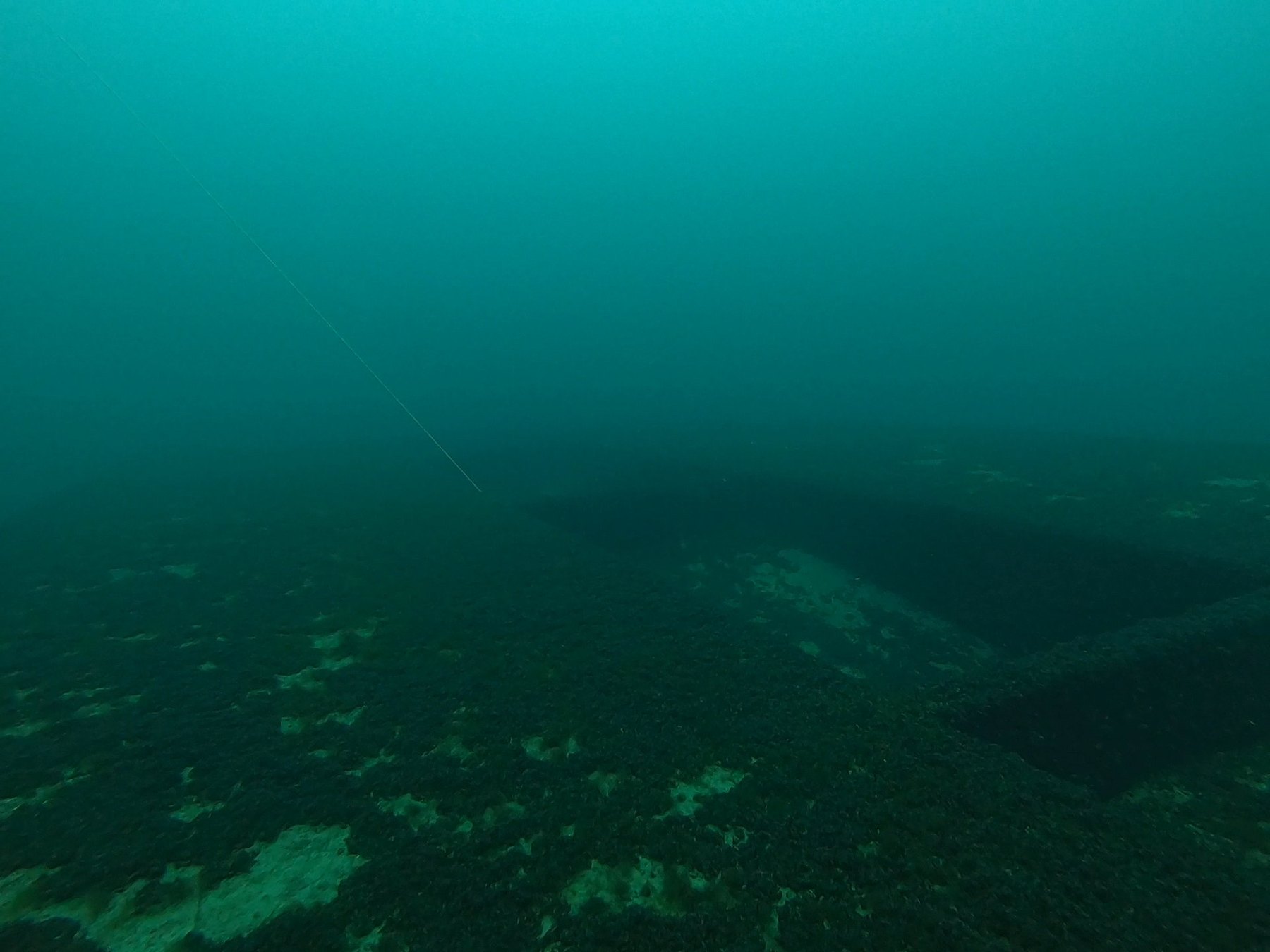
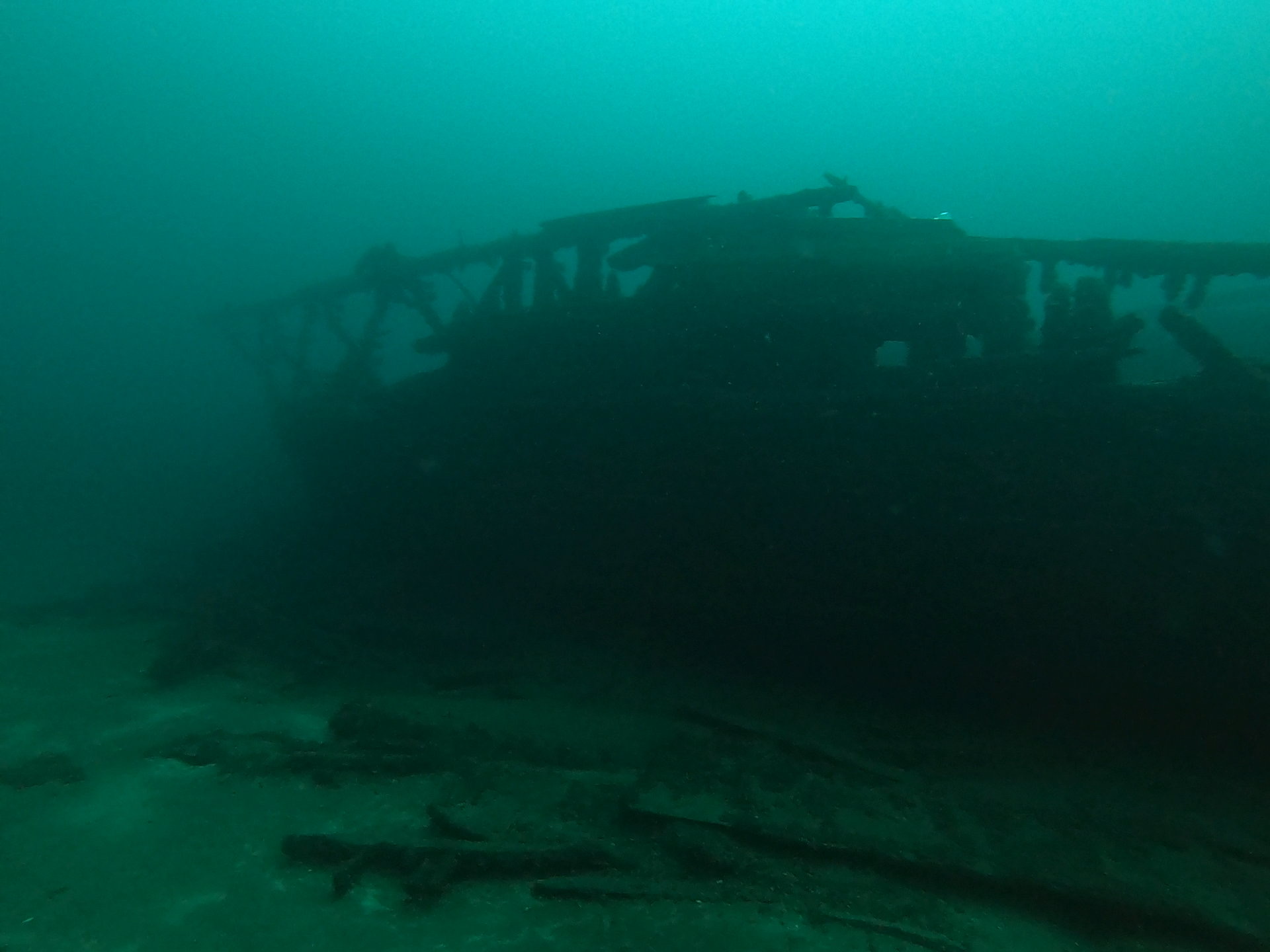
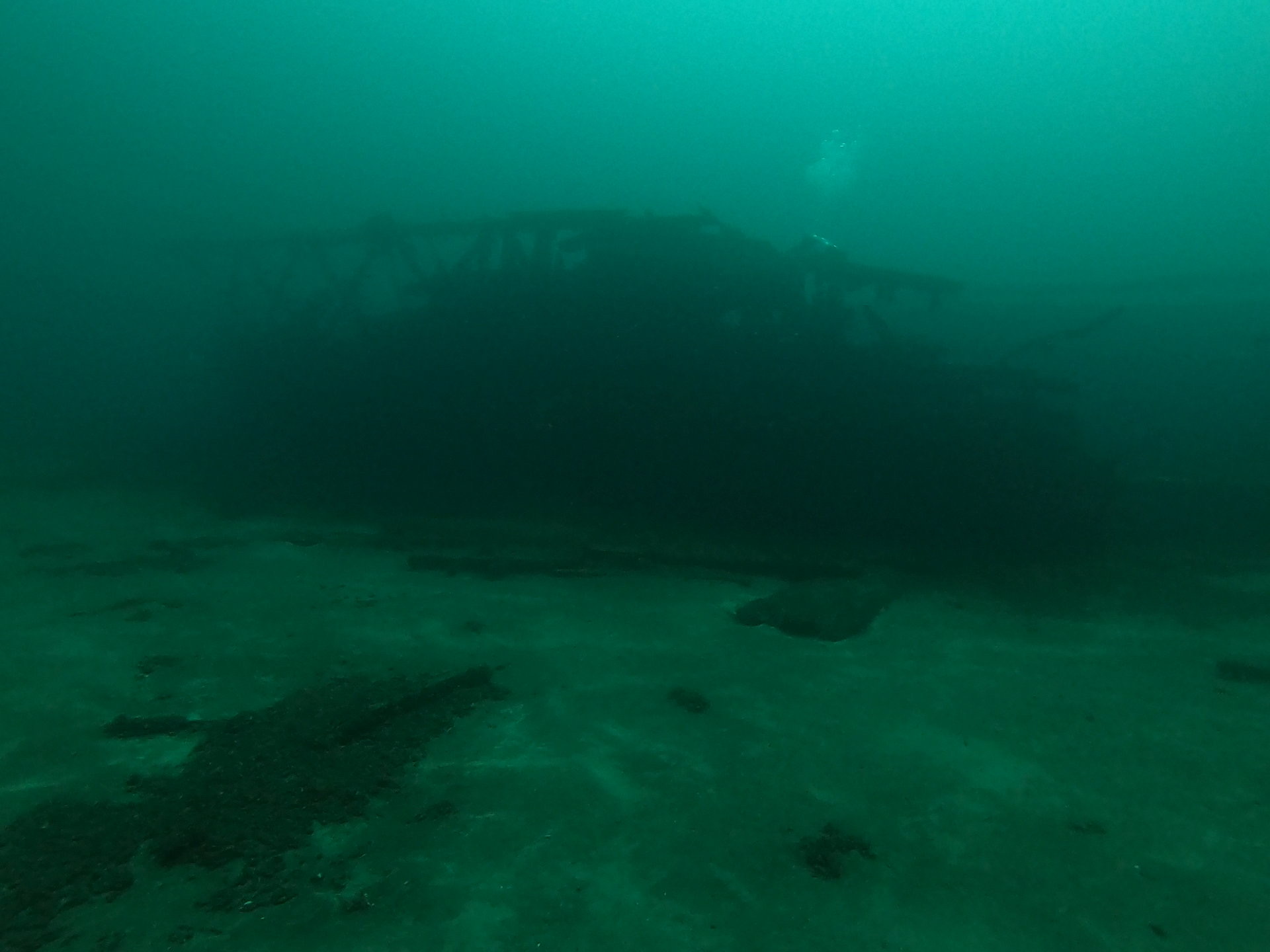
A survey photograph of a barge on the lakebed
2026
September
Lake Michigan
An unknown wooden steamer at 160 ft
The deepest dive of 2026: an all-wood steamer lying at 150–160 ft, with very little information about it on record and no name yet.
DeepWreckUnidentified
Bud’s Steamer, photo 01
?
Next up
Extended Range / Trimix
The next certification on deck, full Extended Range or Trimix, to formalize what the last few years of gas planning and deep wreck work have already been building toward.
Photo Library

From the log.