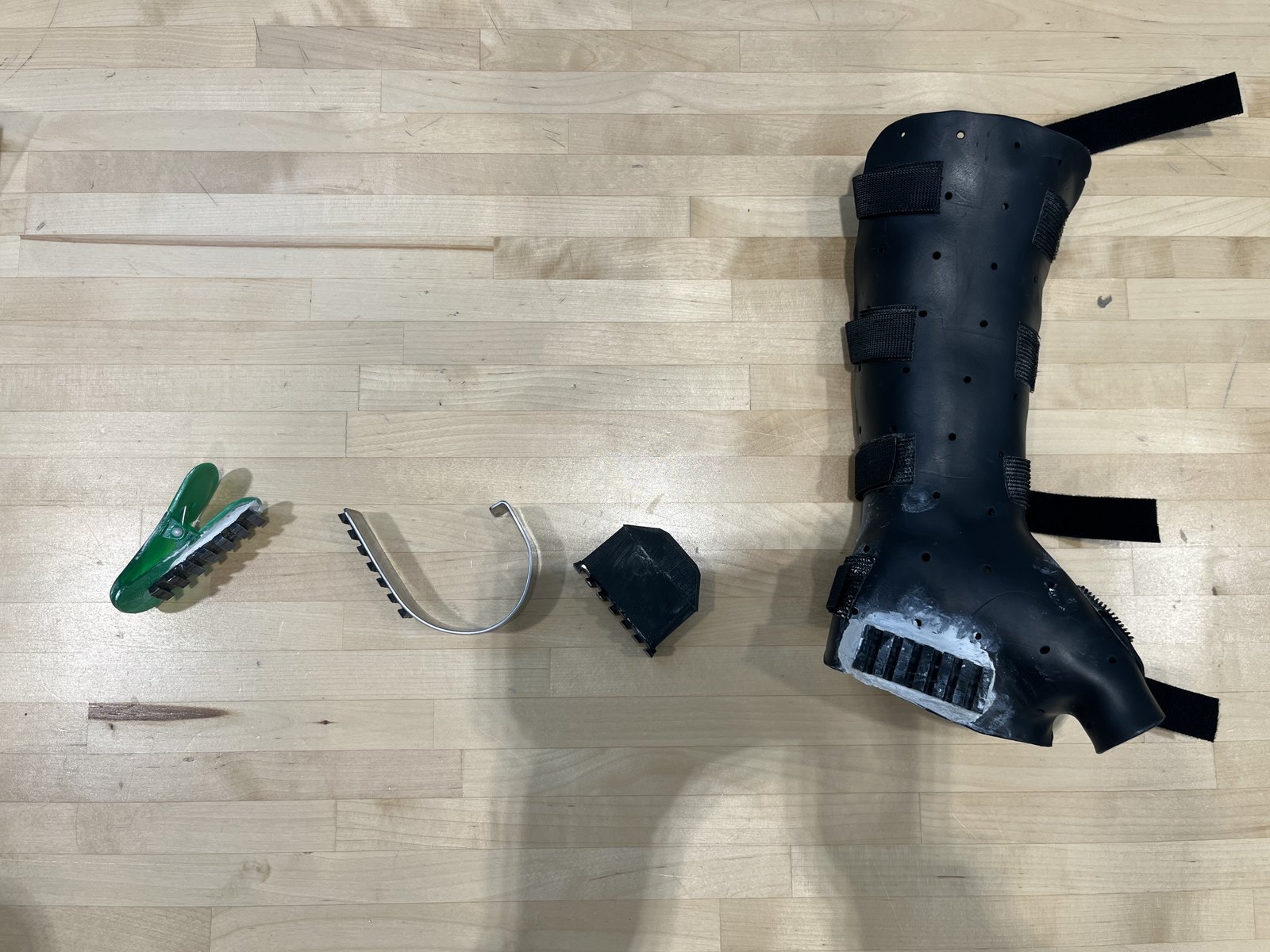
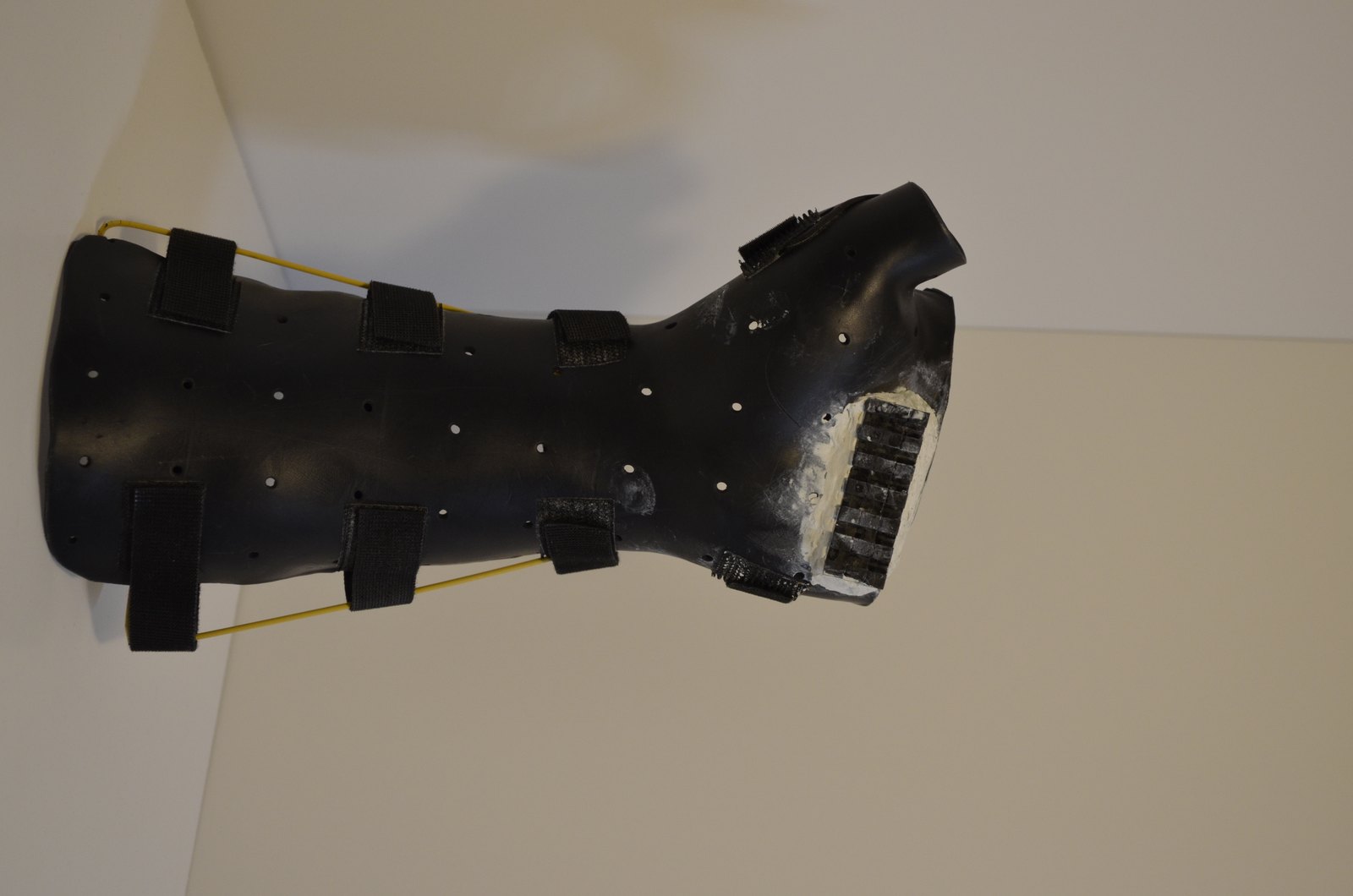
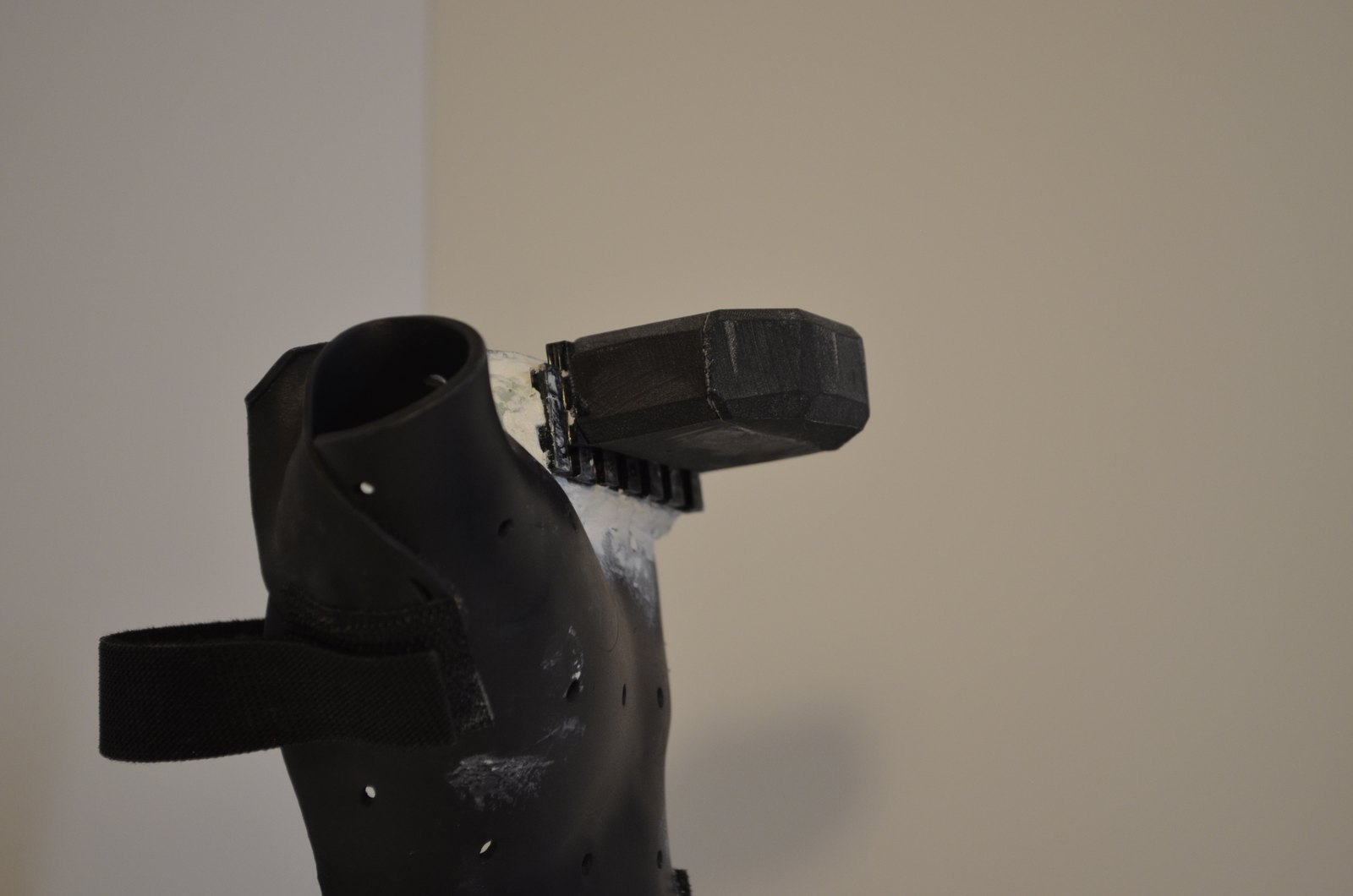
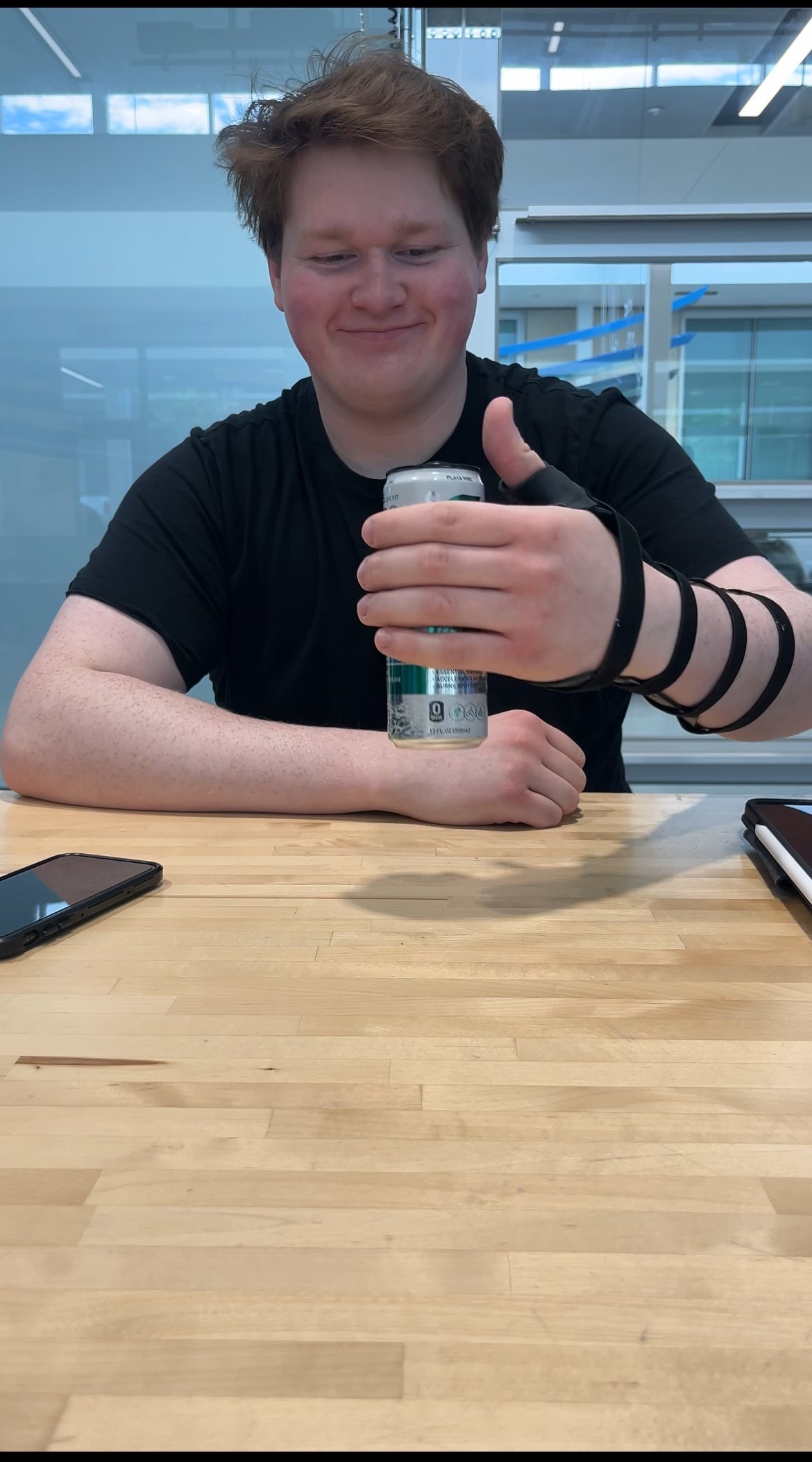
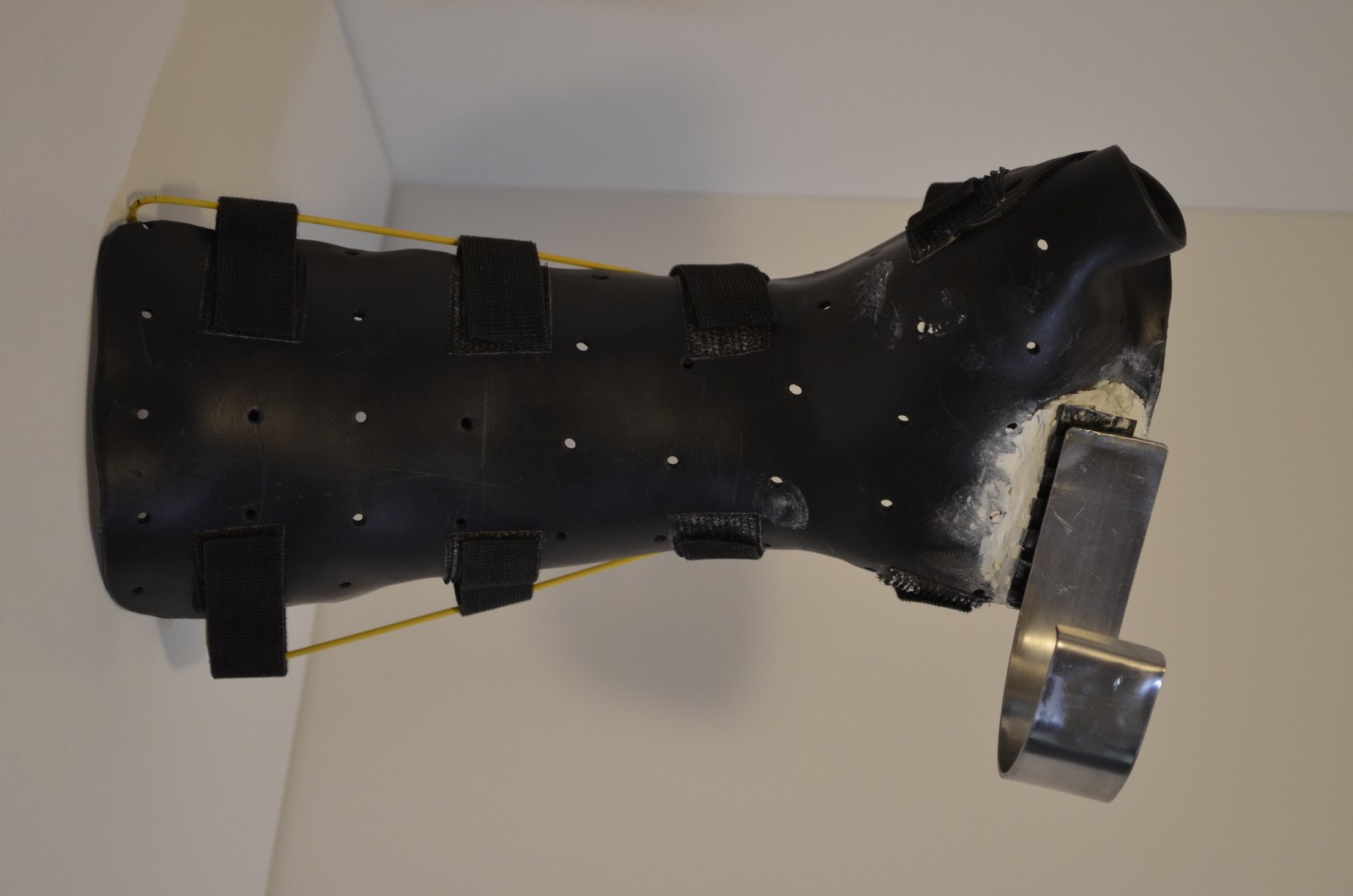
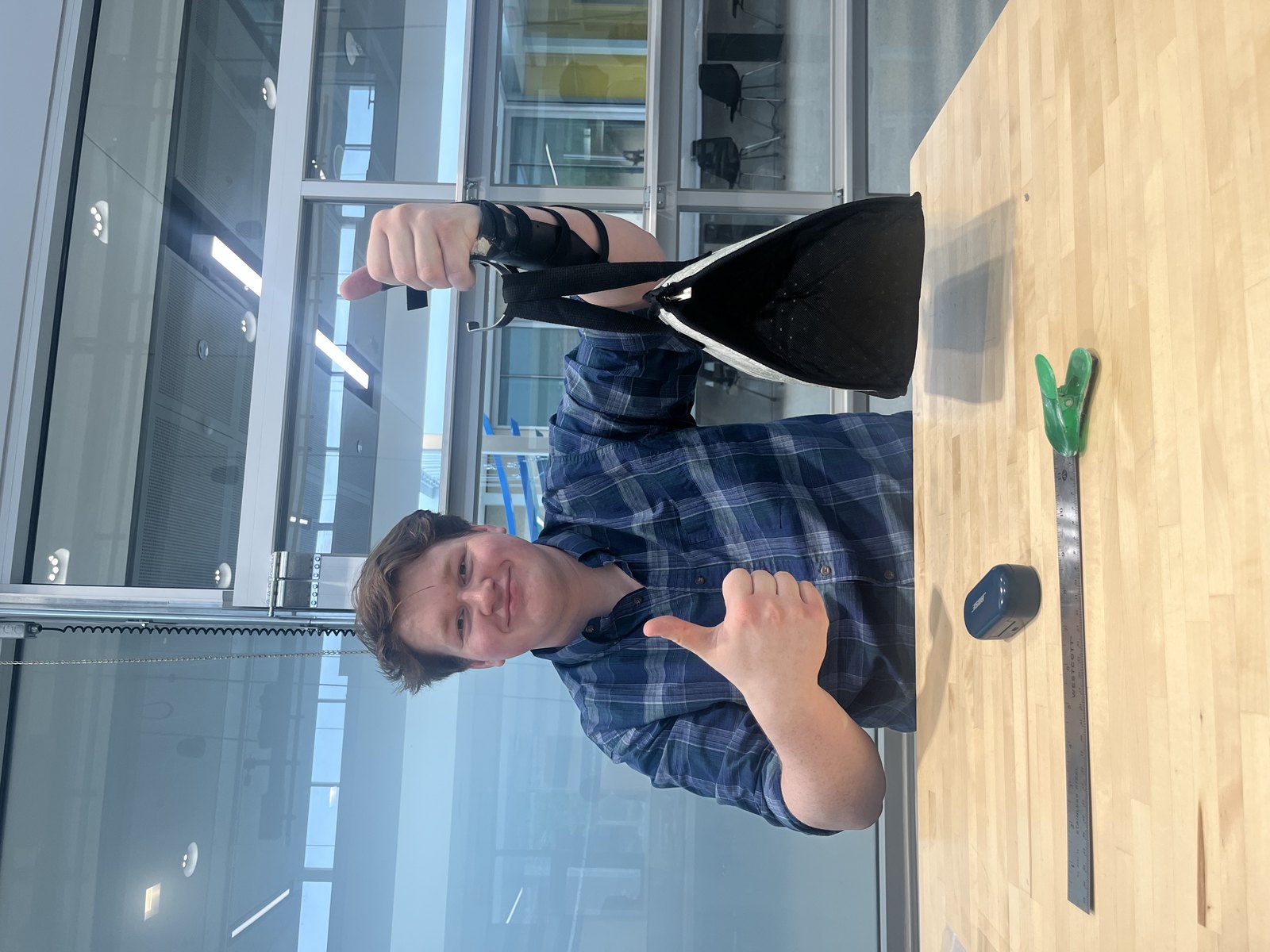
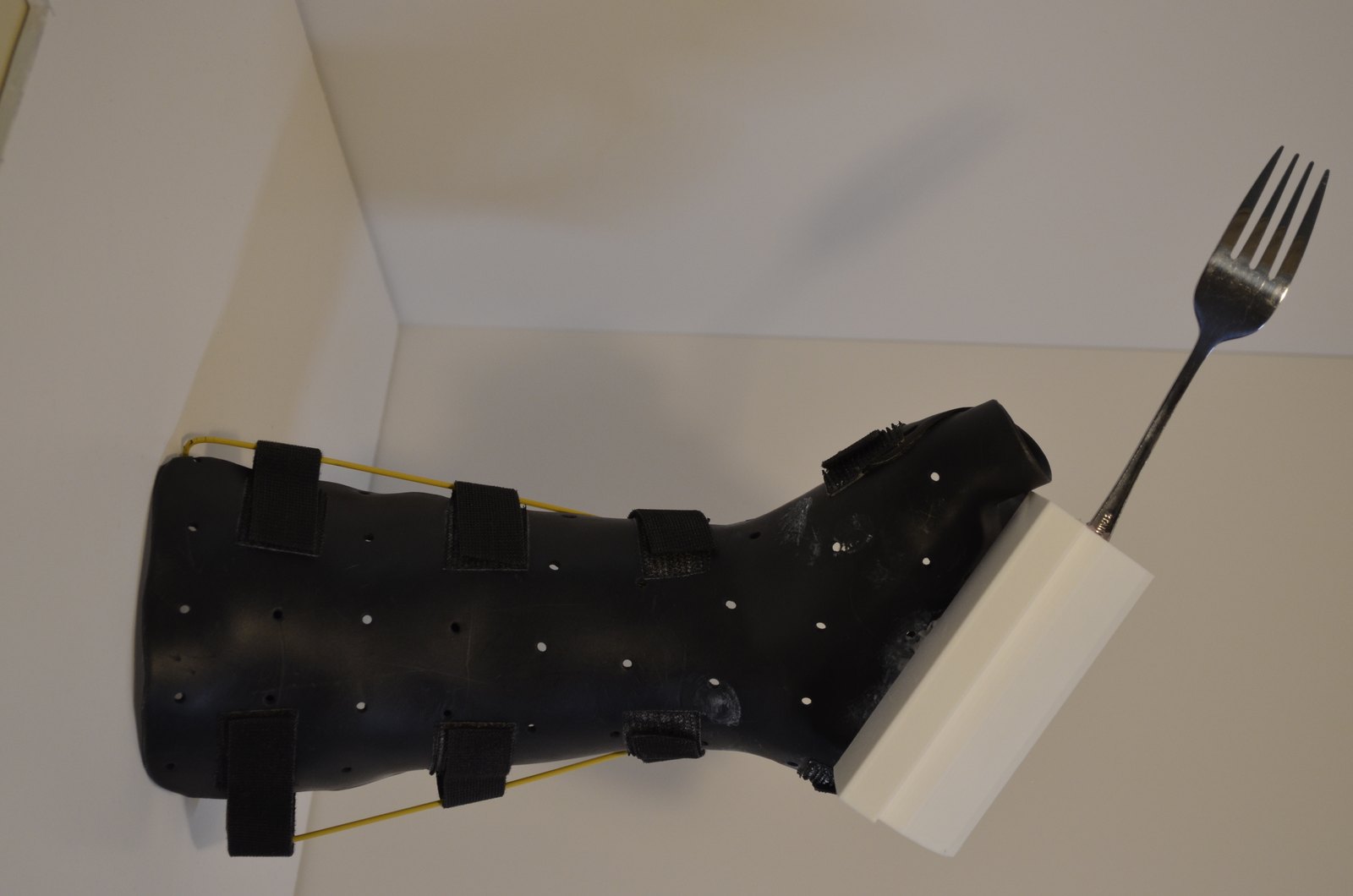
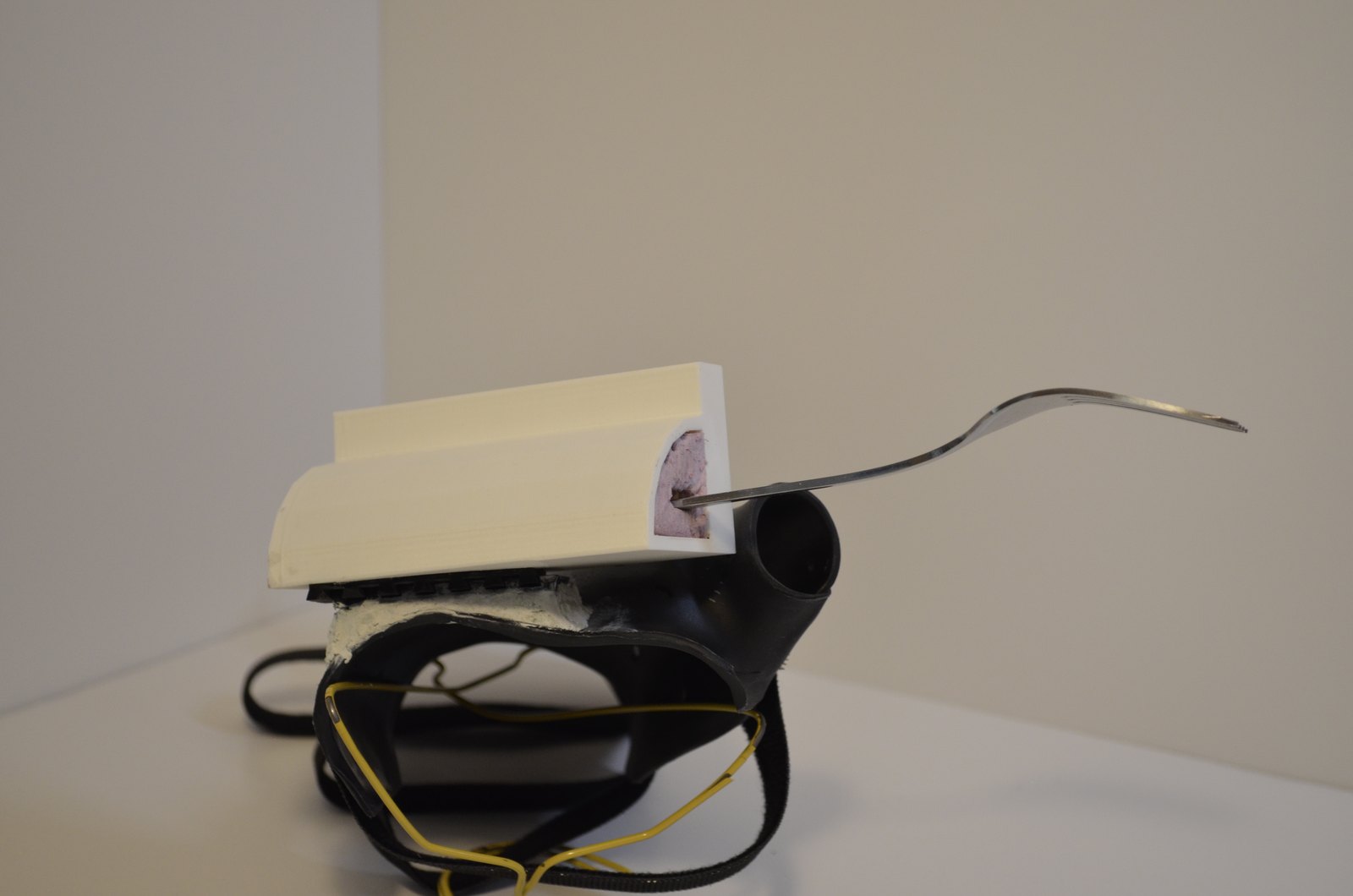
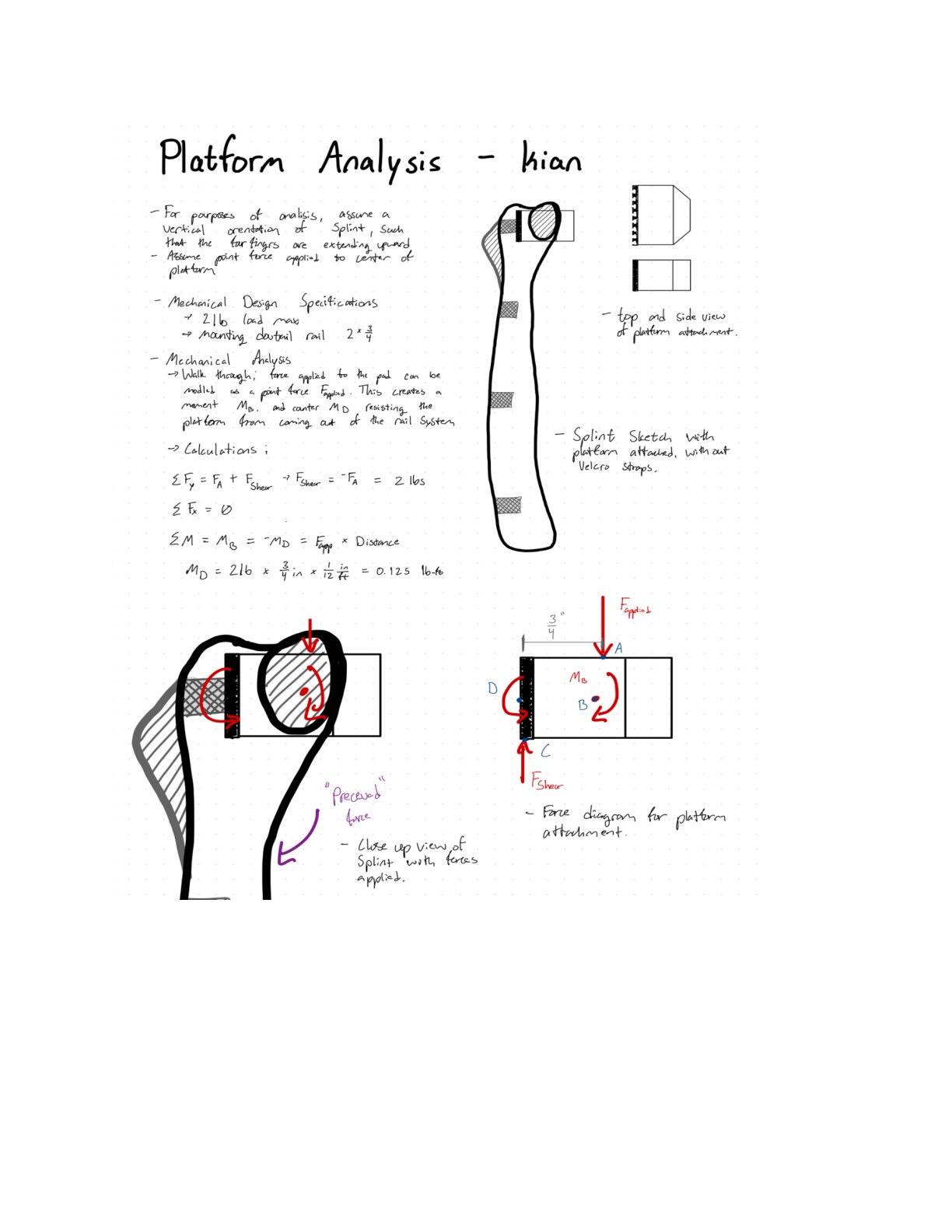
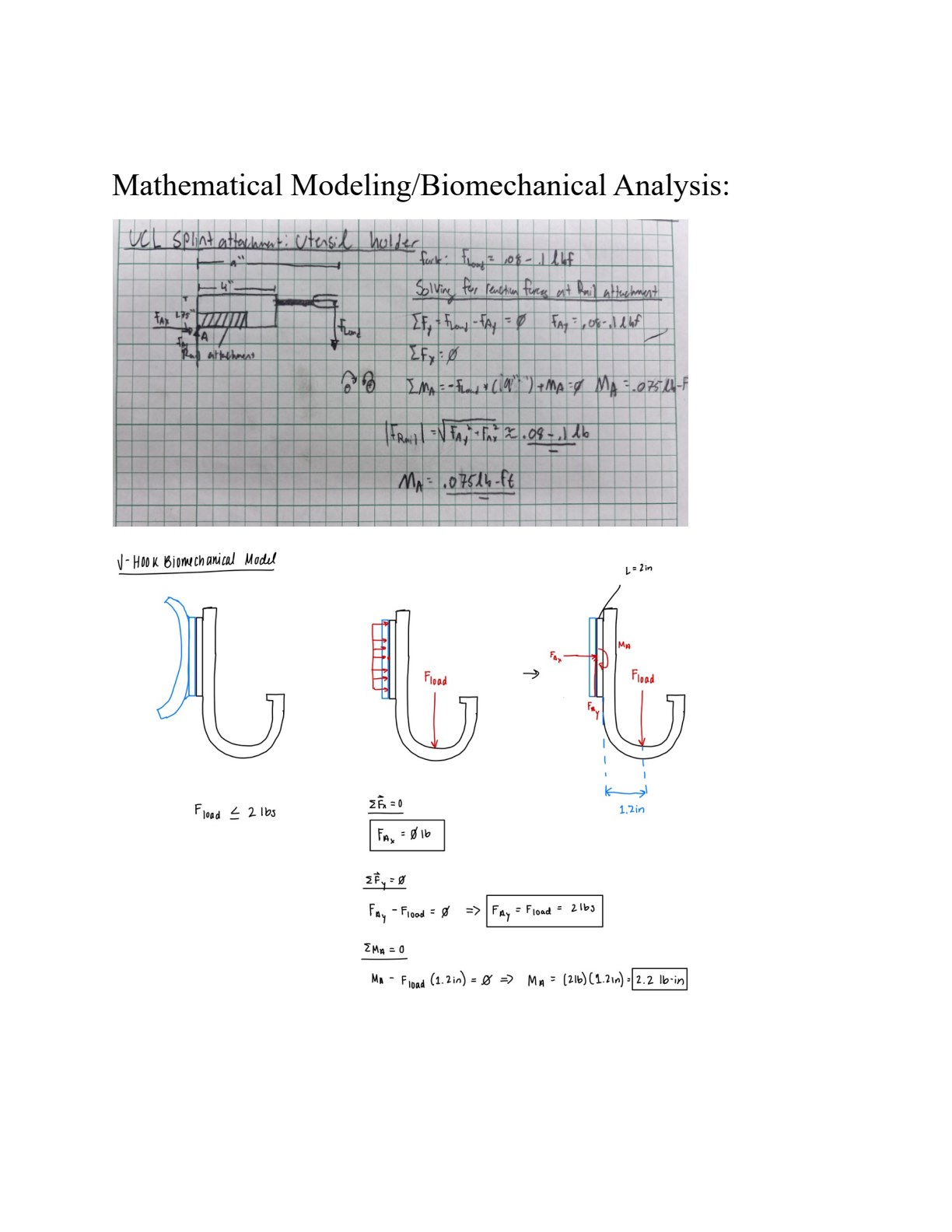
The ulnar collateral ligament stabilizes the thumb metacarpophalangeal joint during lateral pinch, the grip you use to hold a key or a fork. It tears when the thumb is forced into abduction and hyperextension, which is why the two classic presentations are skier’s thumb, from a ski pole, and gamekeeper’s thumb, from repeated twisting loads. Roughly one in four high school athletes will injure a UCL before graduating, and a national claims database recorded close to 20,000 injuries between 2010 and 2019.
The non-surgical treatment is a splint that immobilizes the thumb until the ligament heals, and it is the preferred route because it avoids an operation. The catch is that the splint does exactly what it is supposed to. With the thumb locked out, eating, brushing teeth, pinching, and dressing all become difficult, so patients take the splint off. Compliance drops, and the injury drags on longer than it should.
That gap became the team’s need statement: a way to increase splint compliance in UCL patients by developing a modular assistive device for activities of daily living.